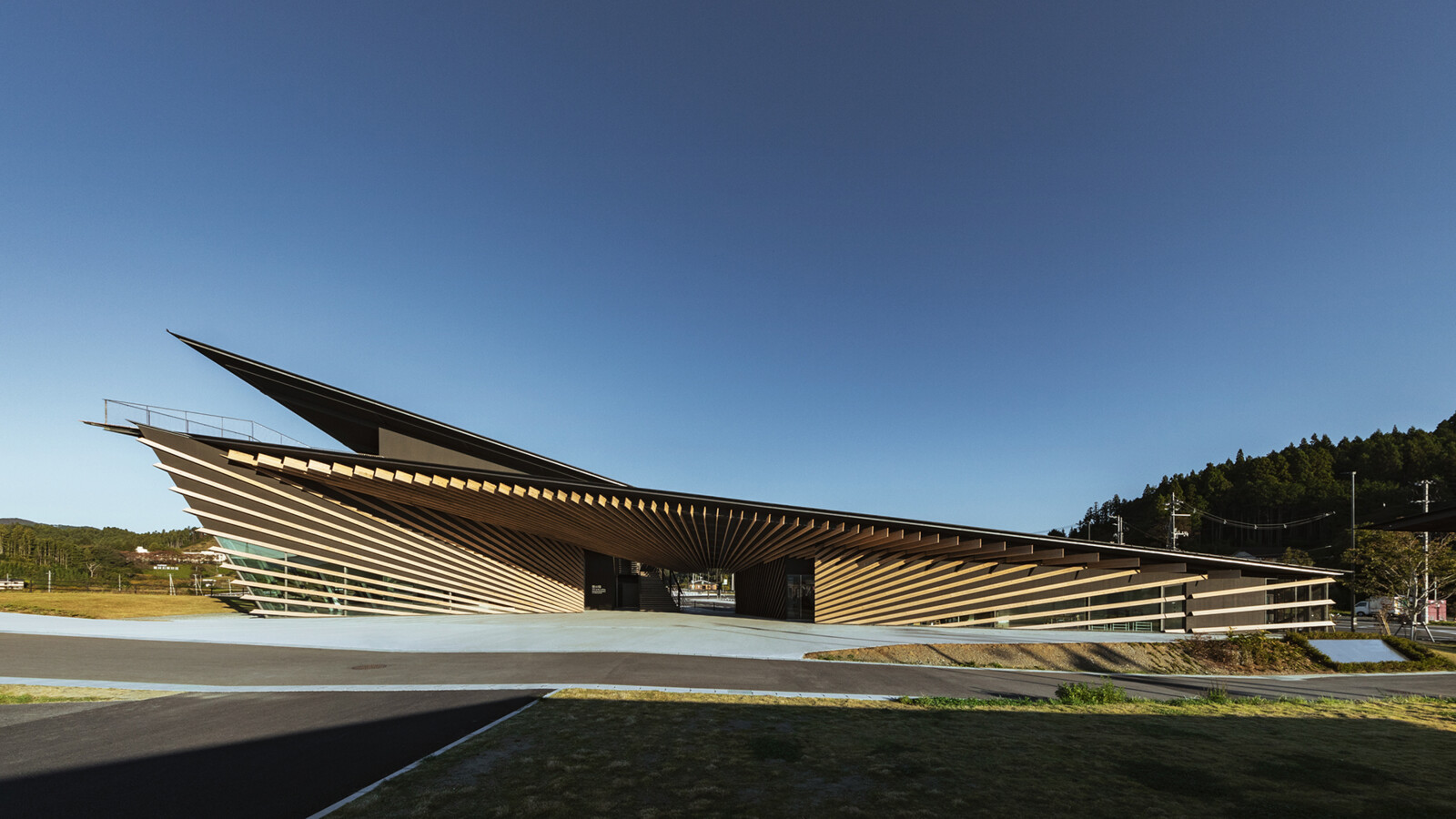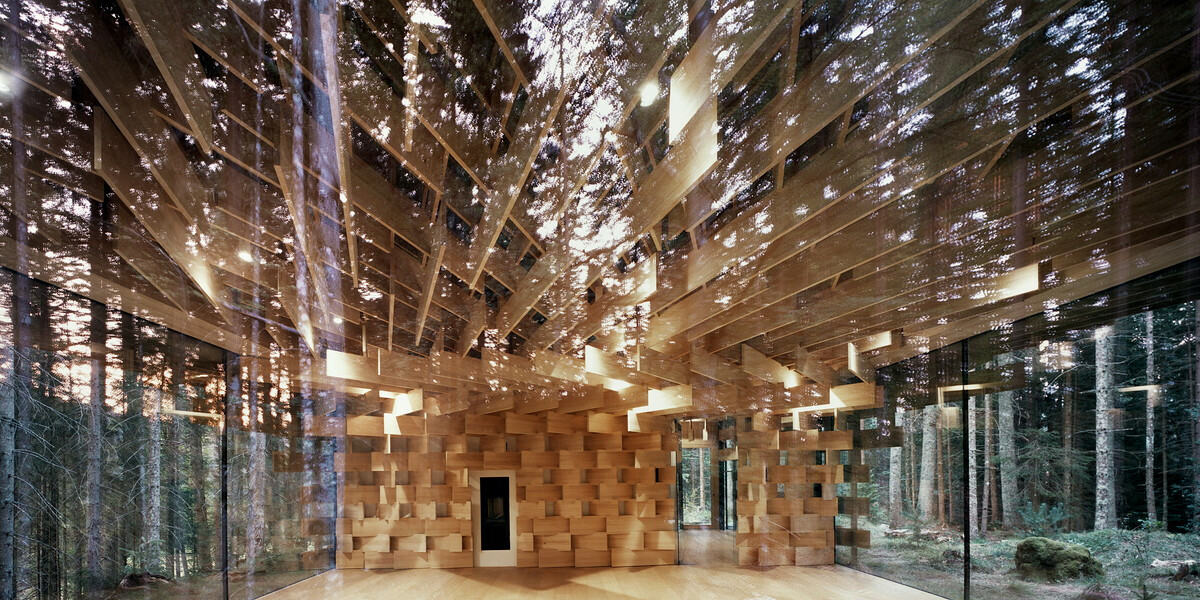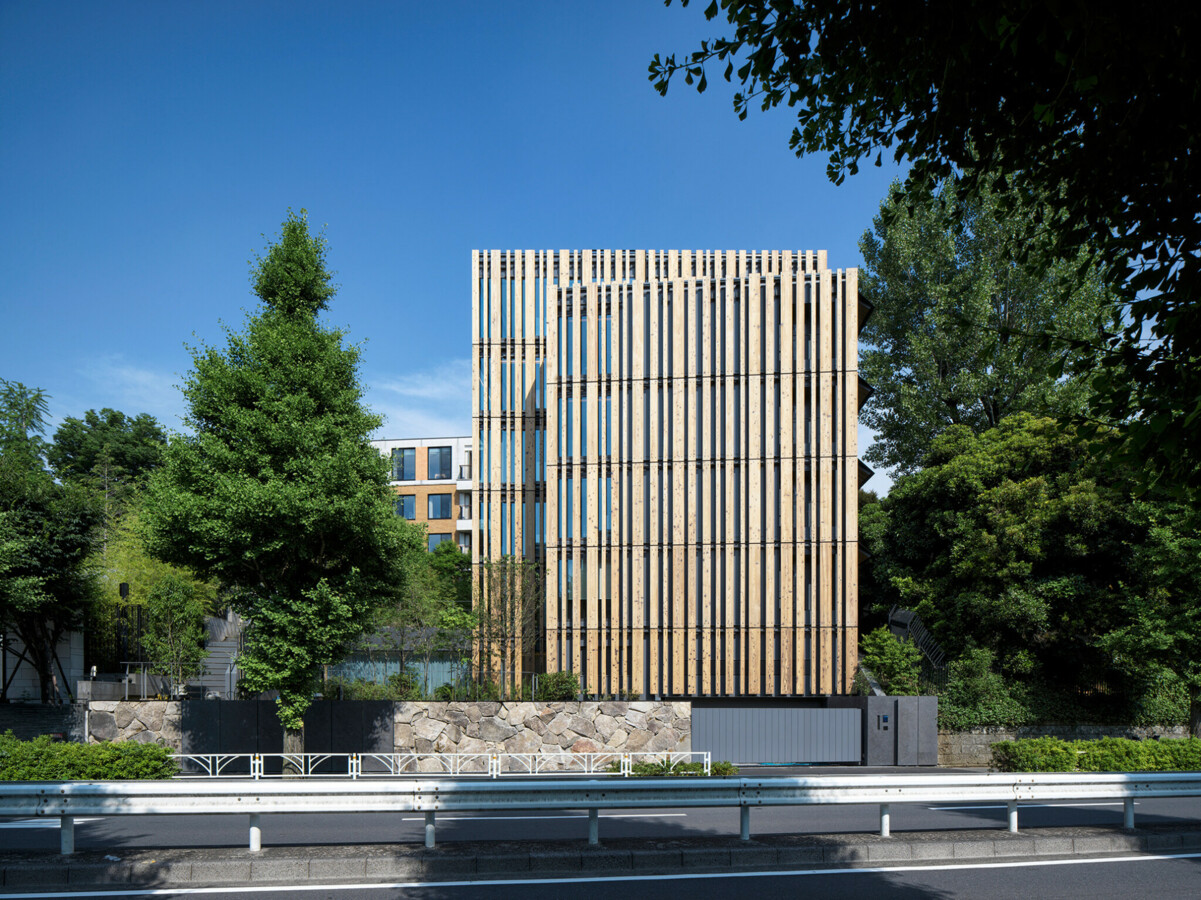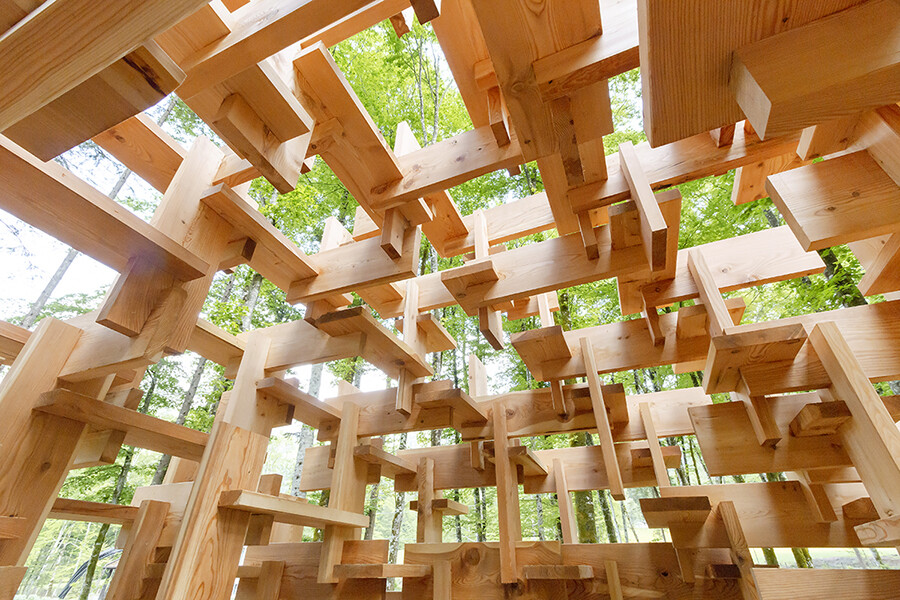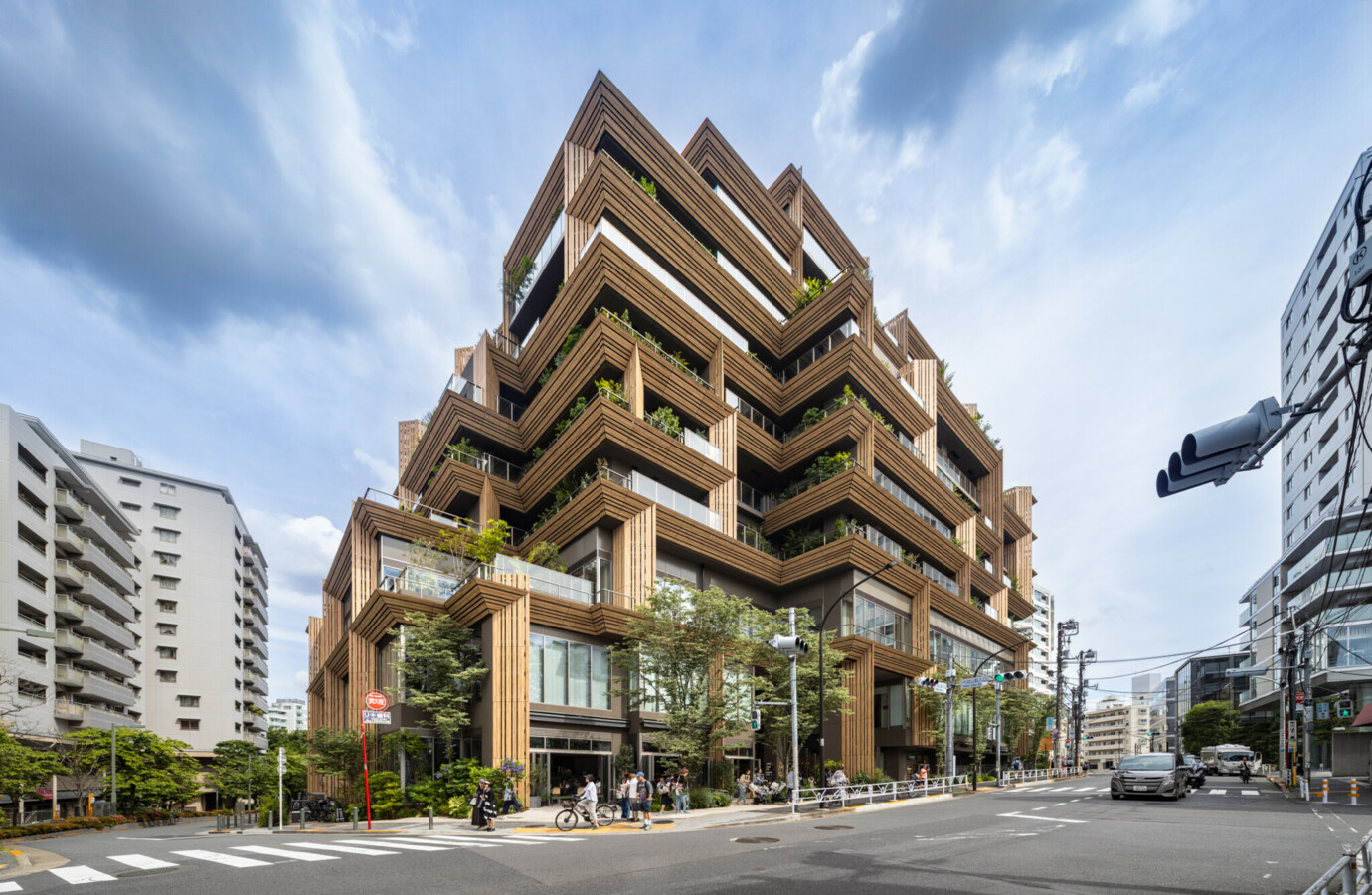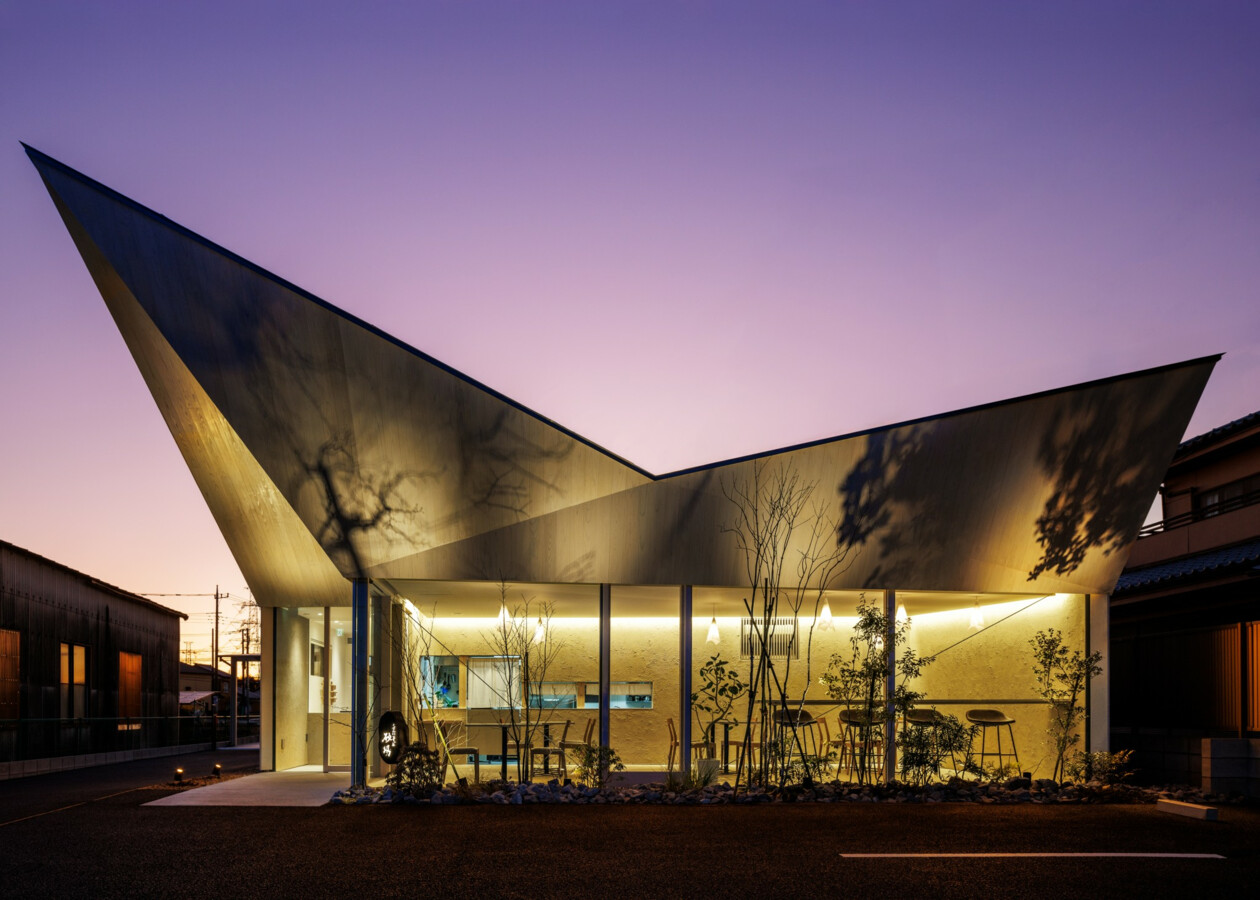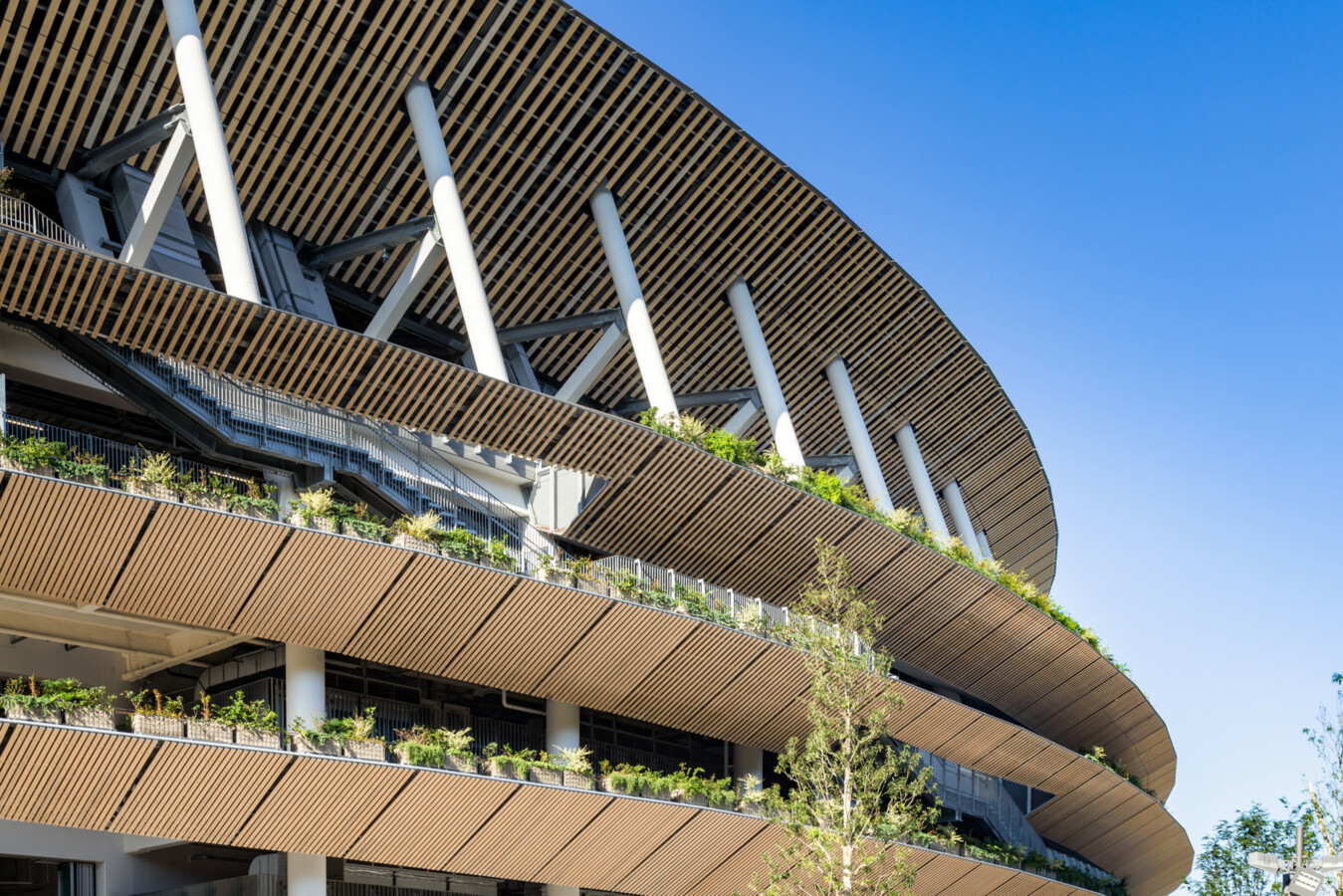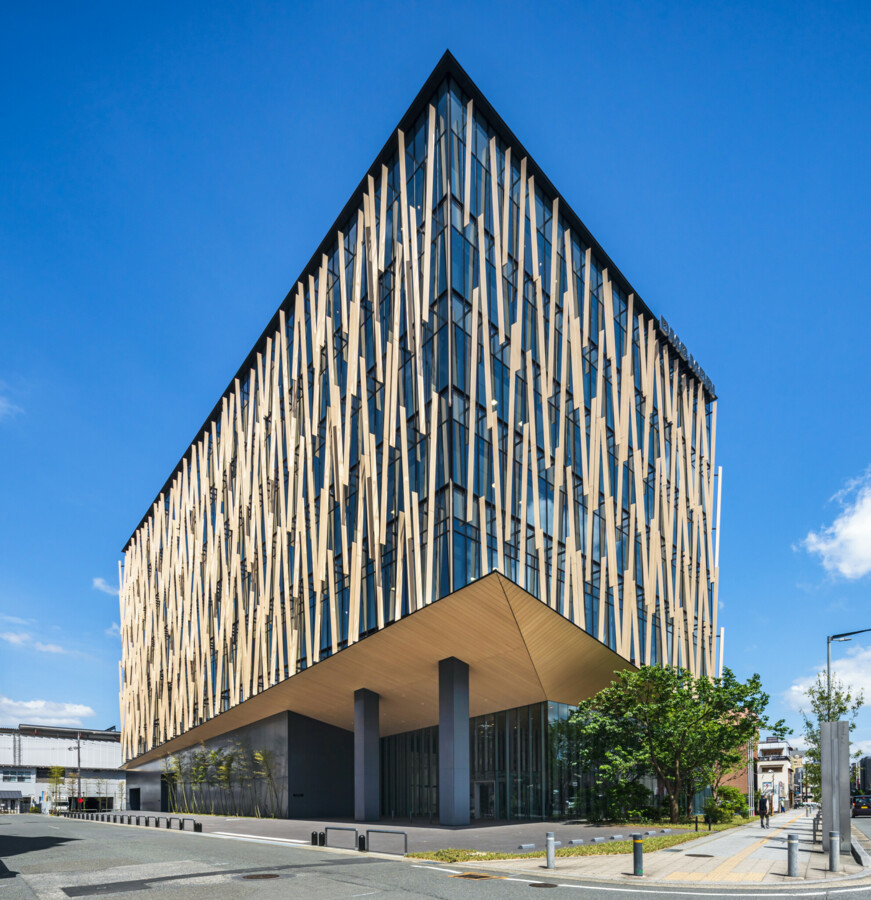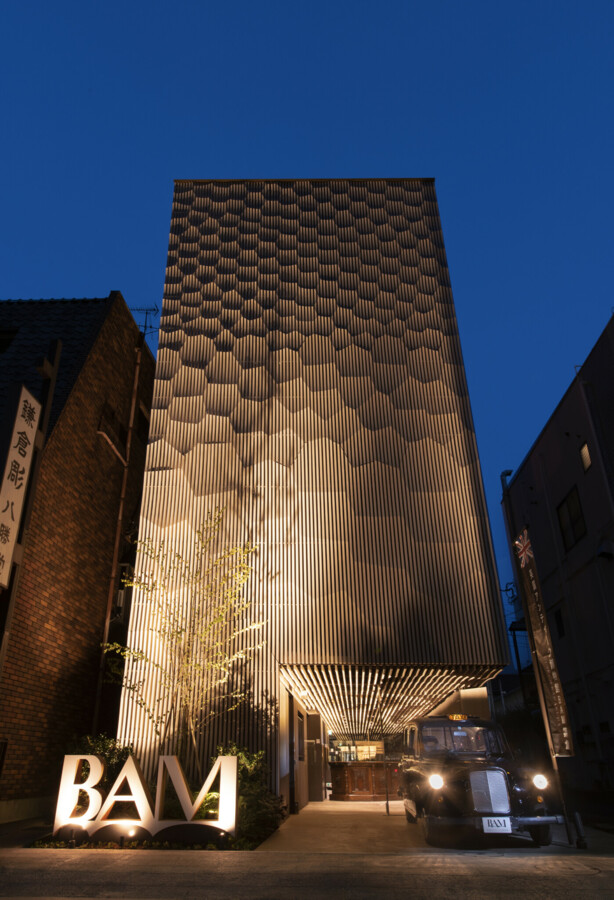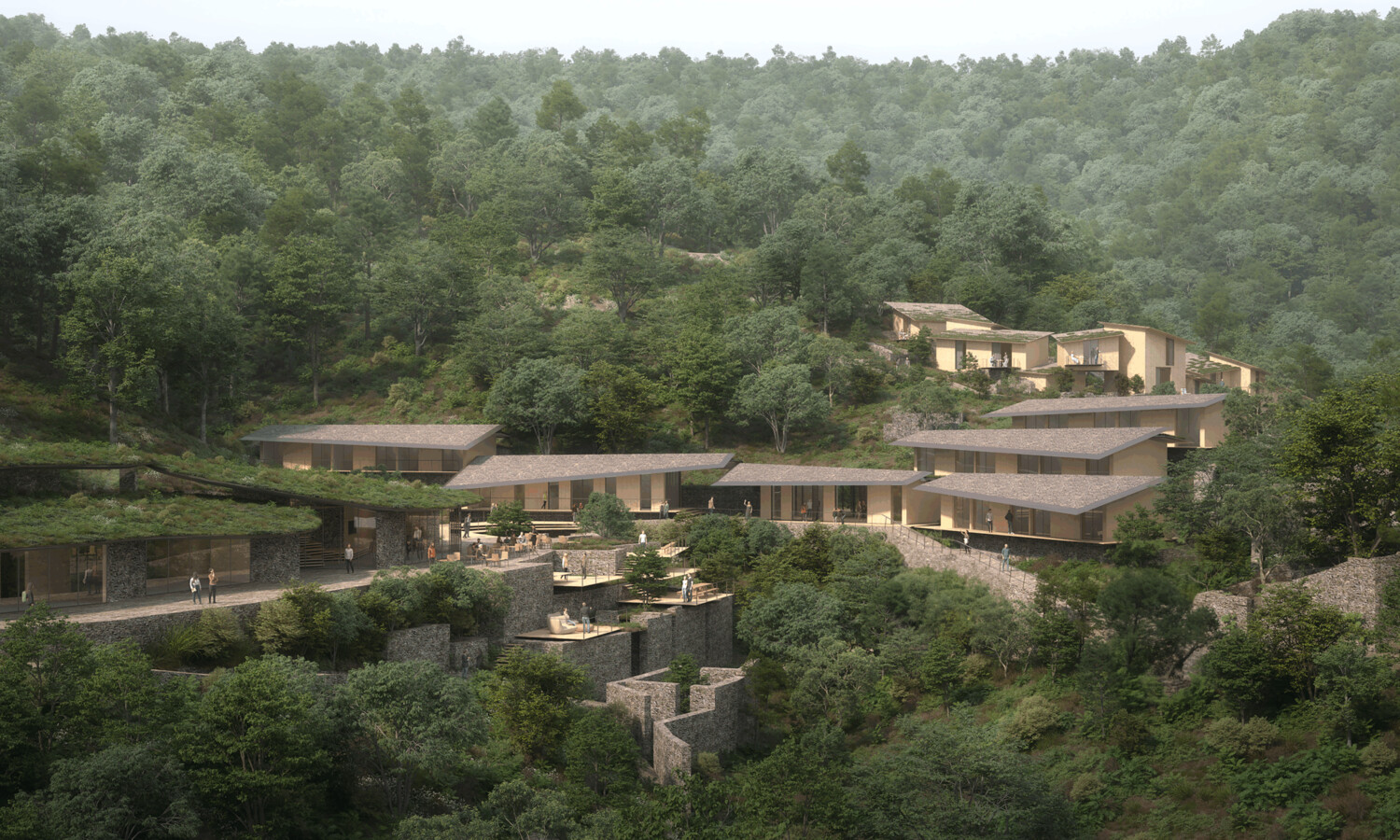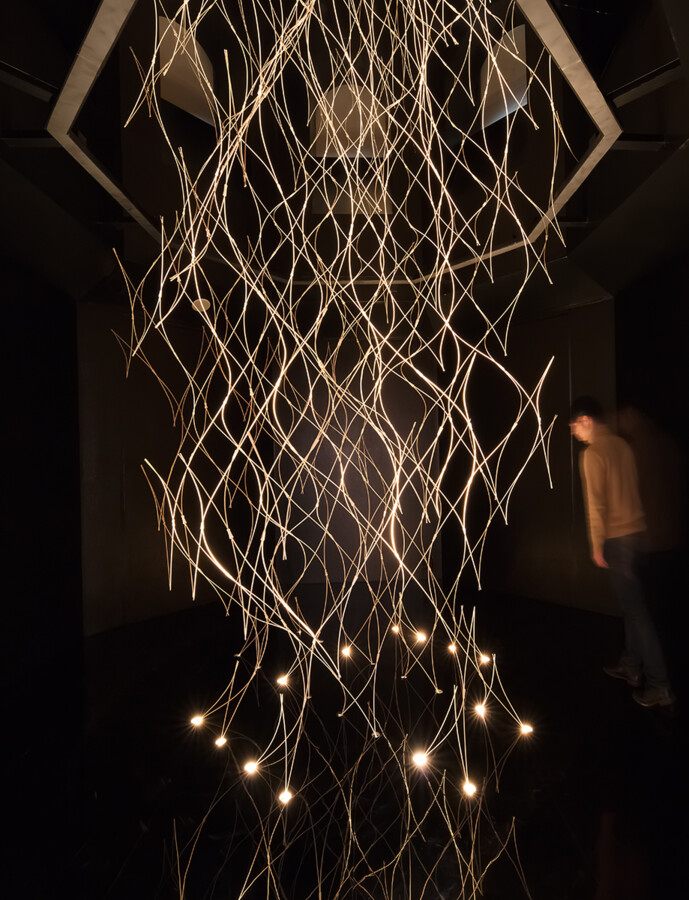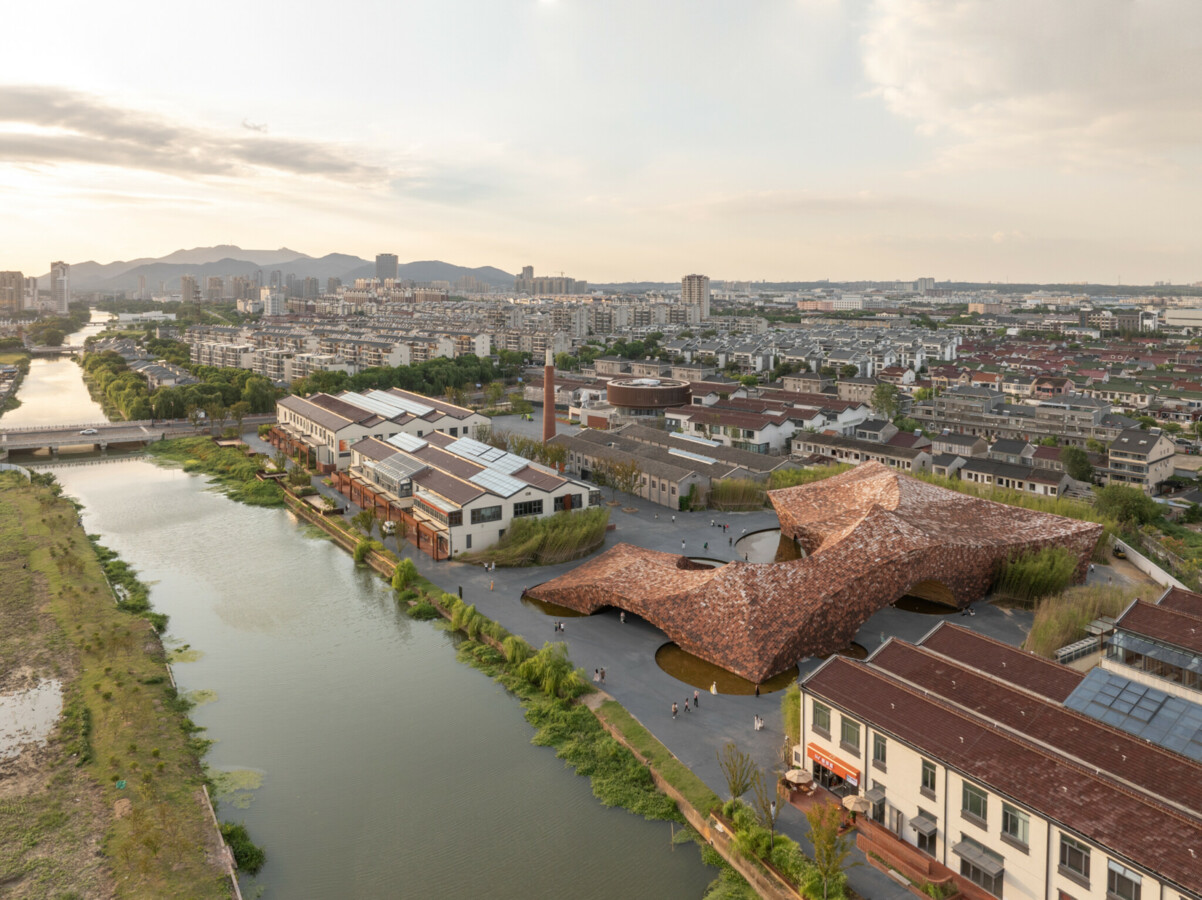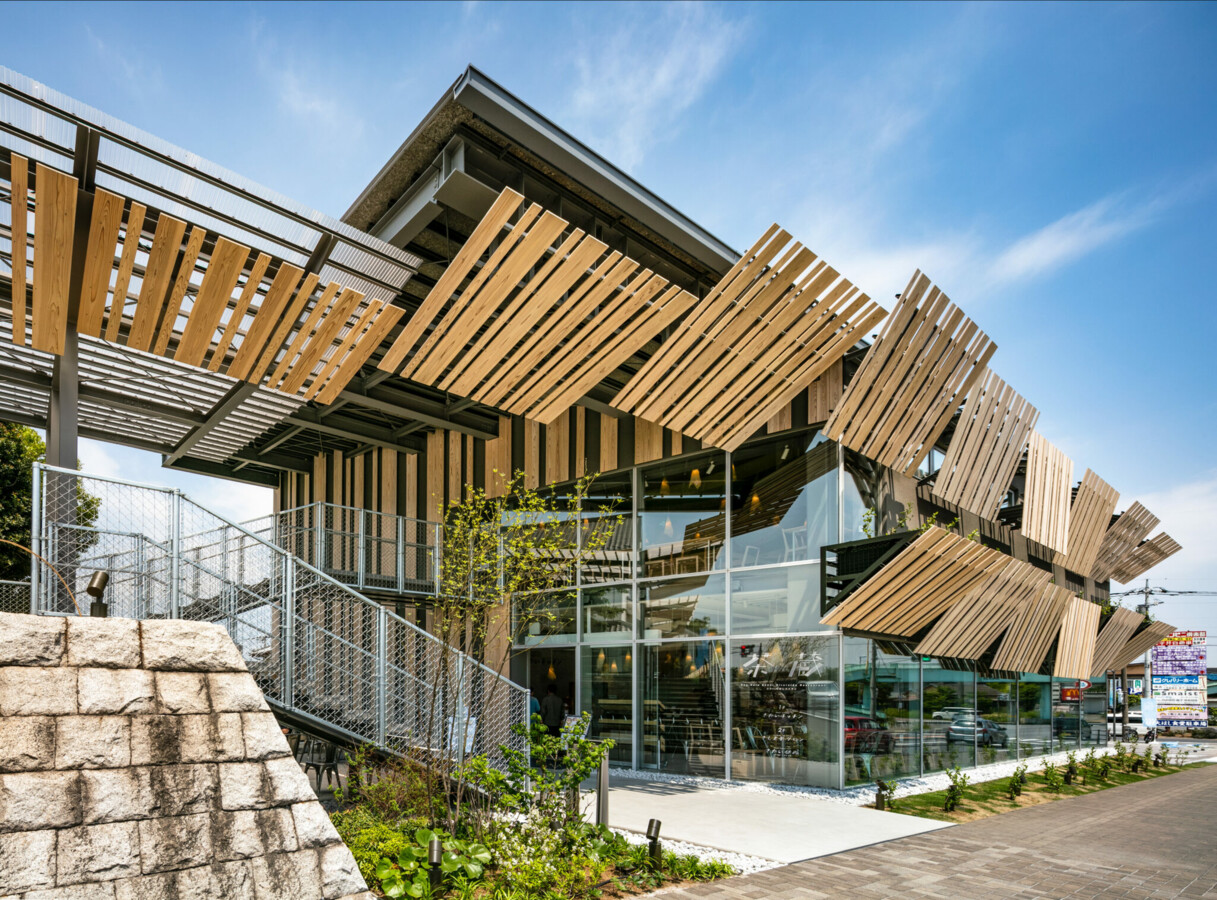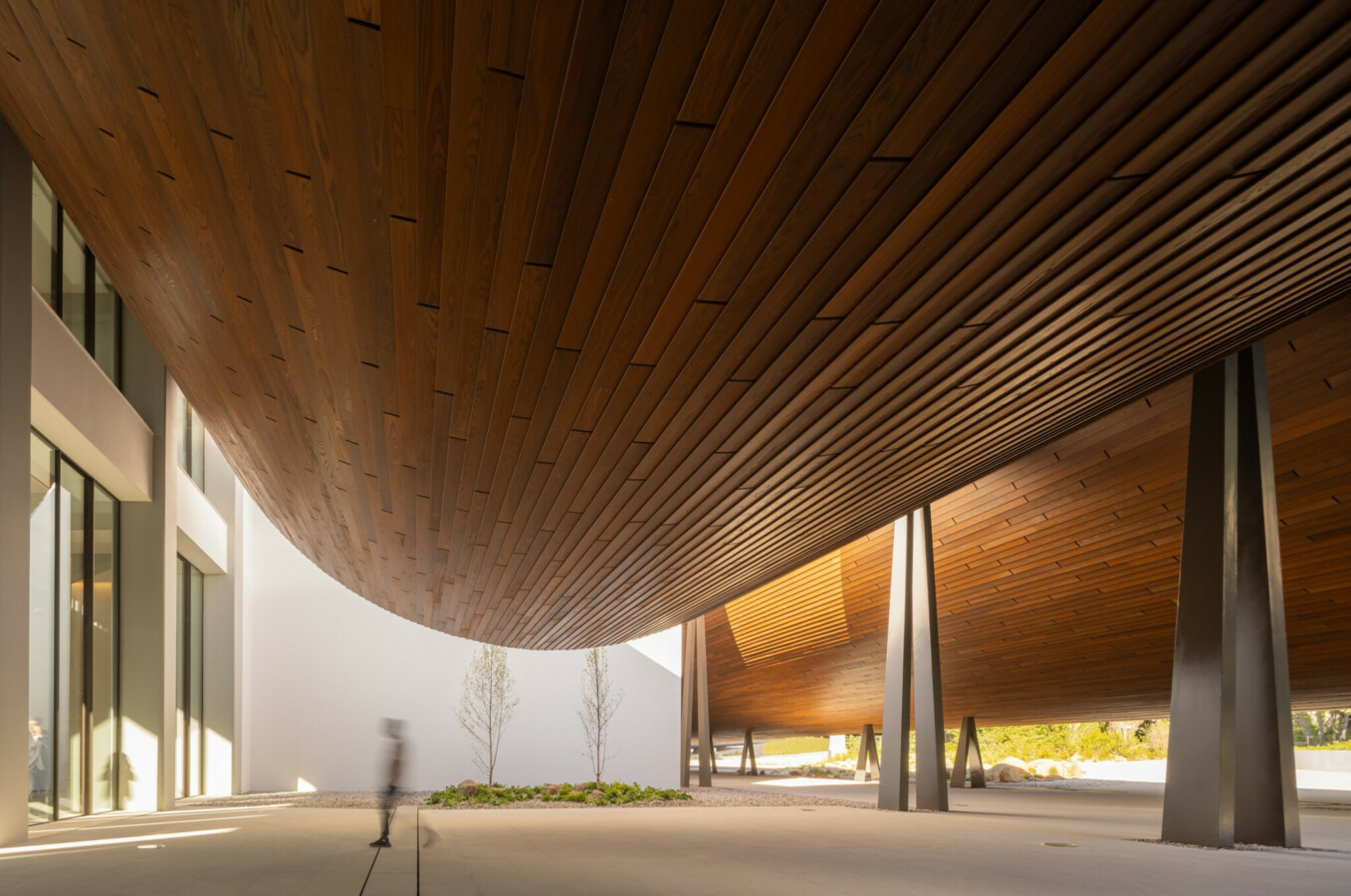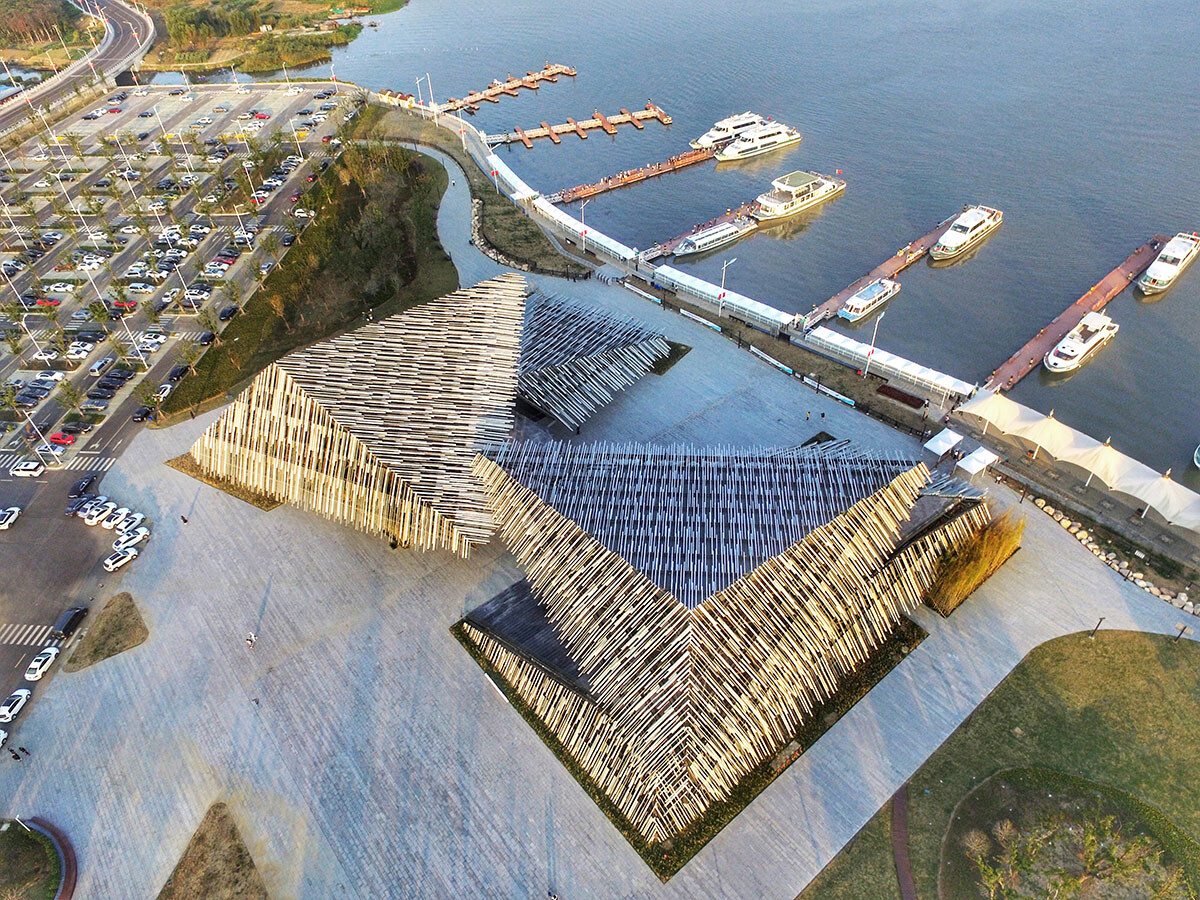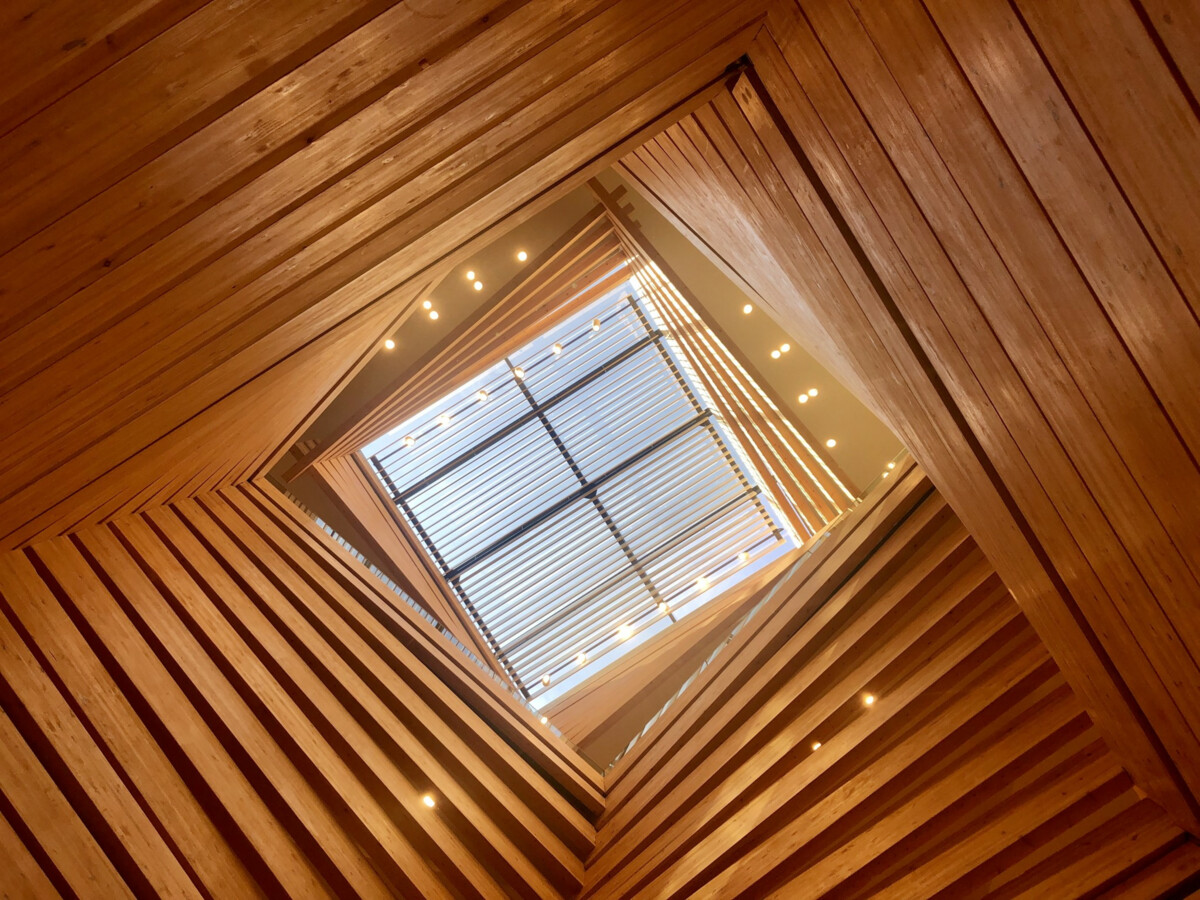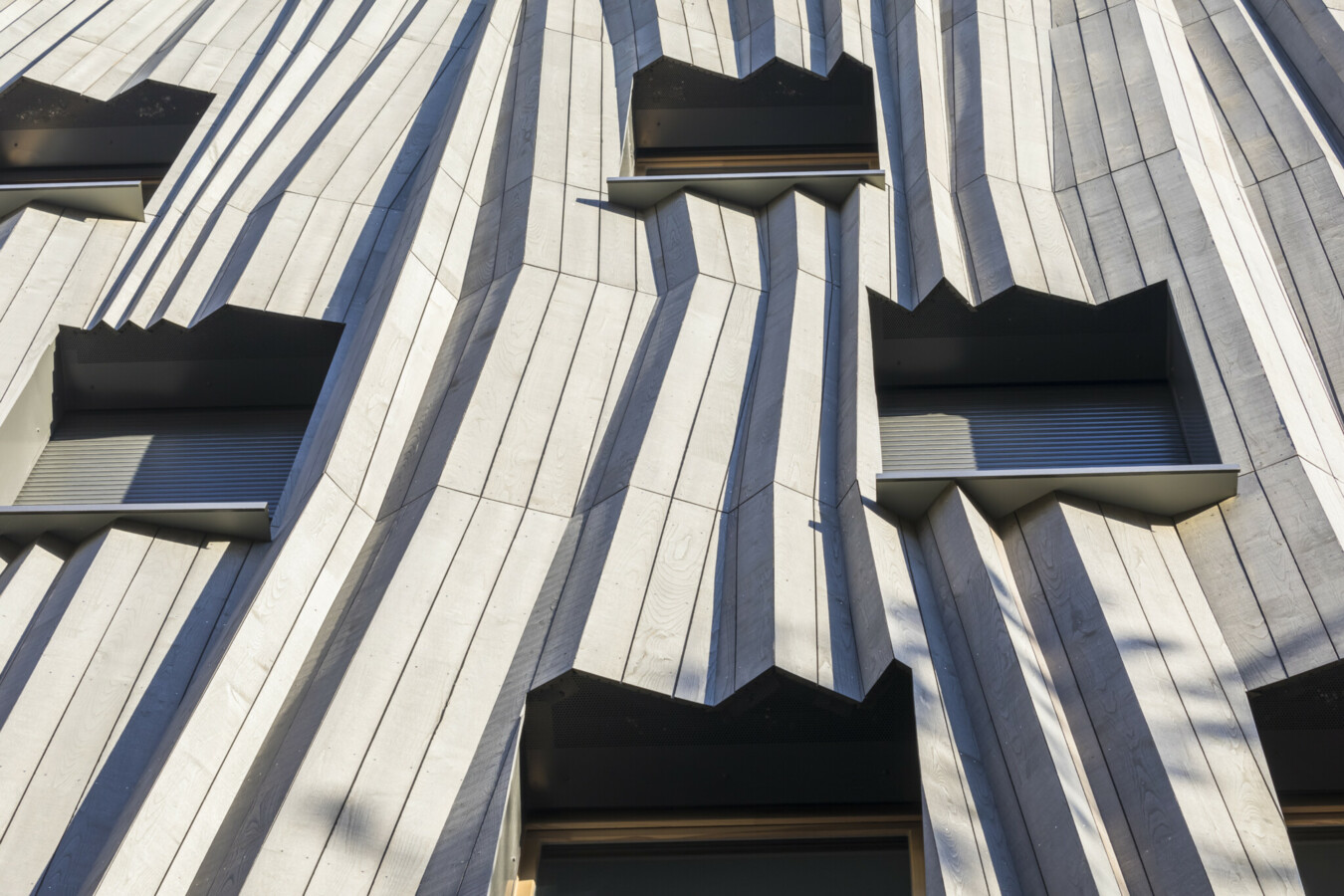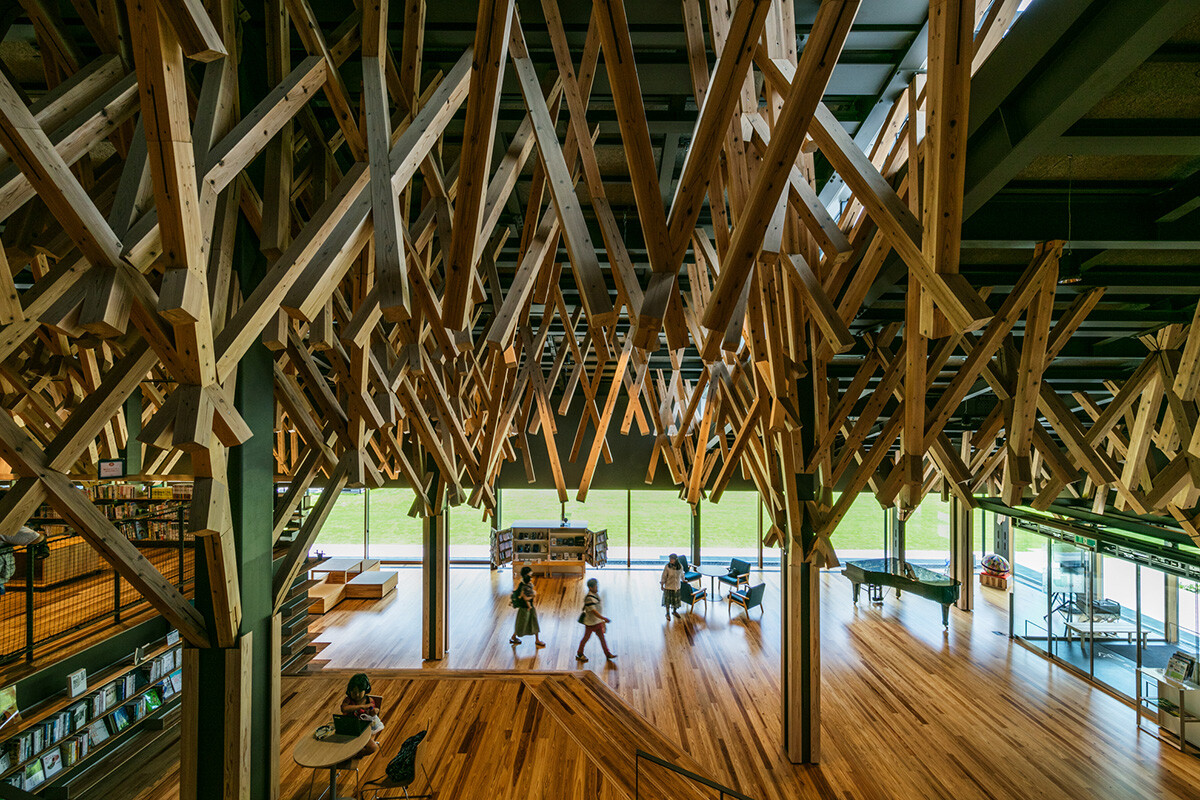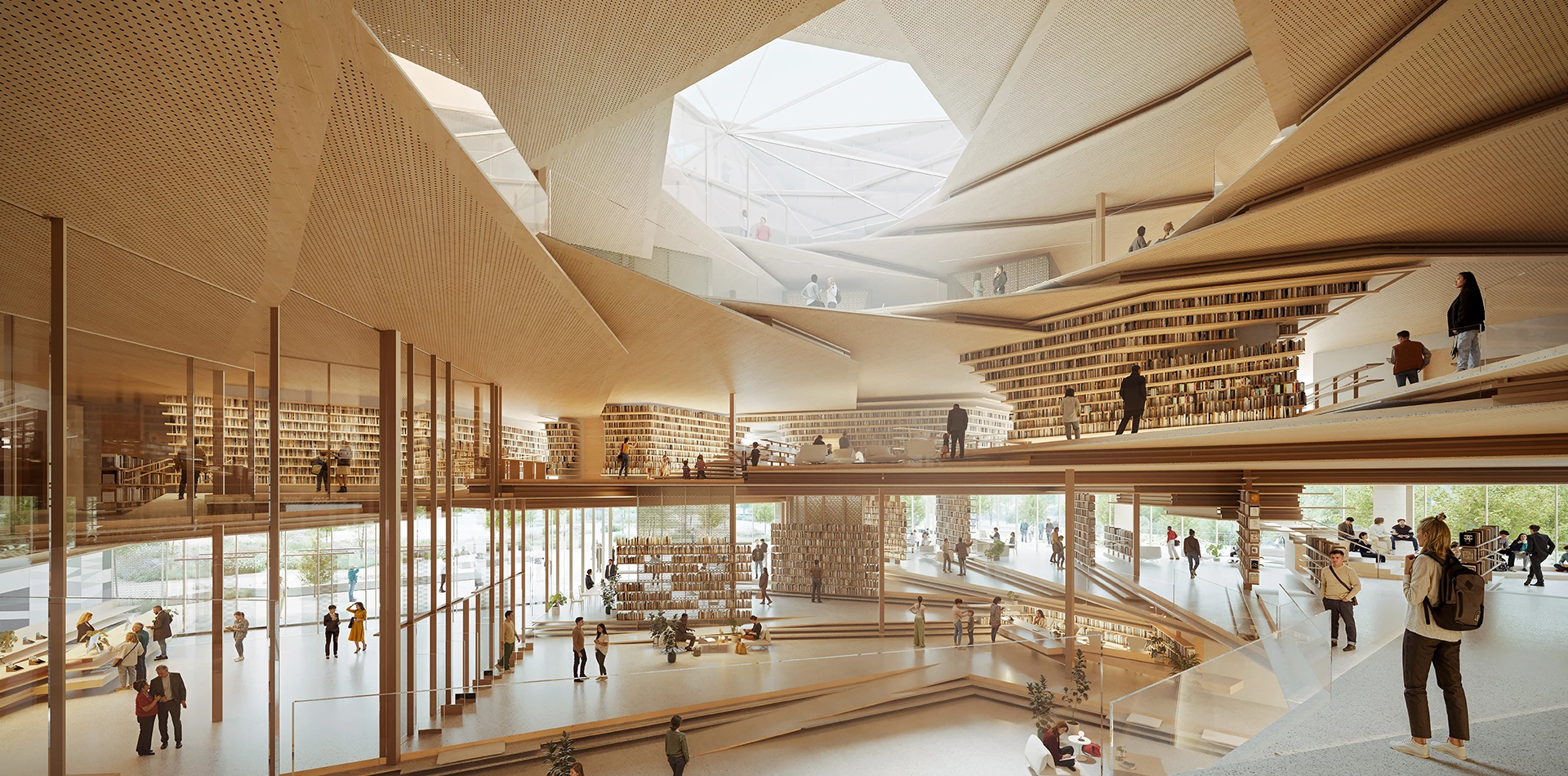
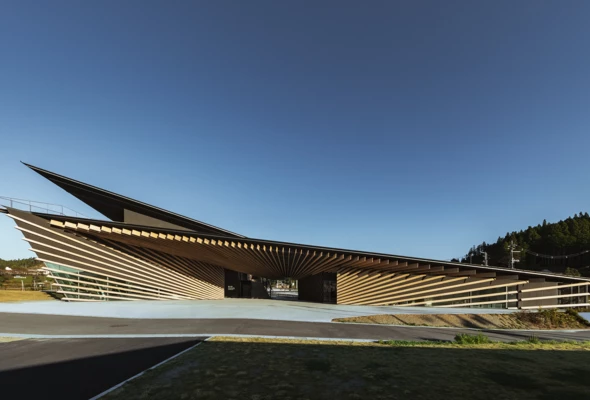
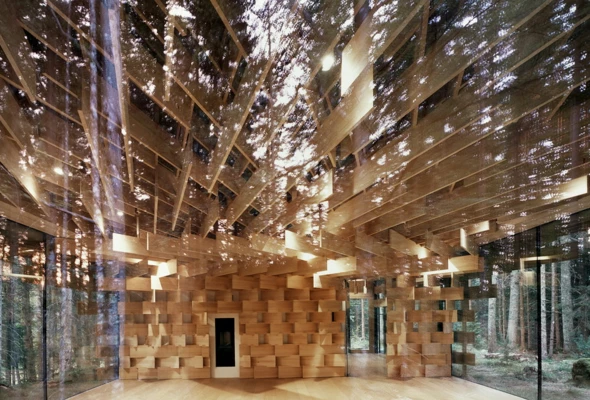
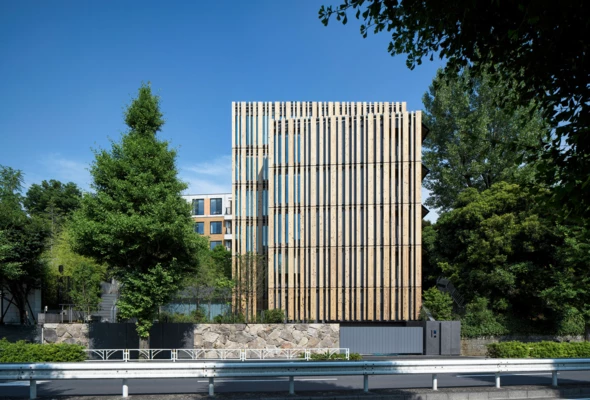
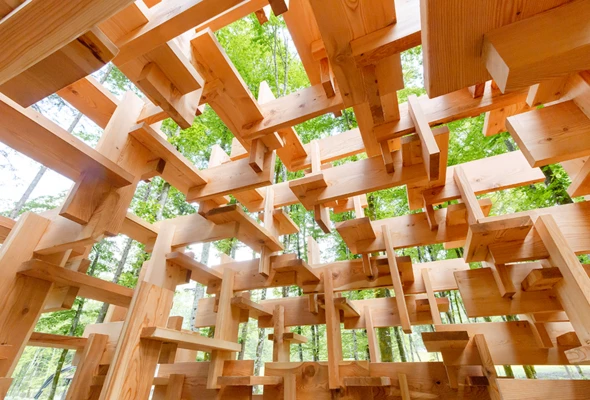
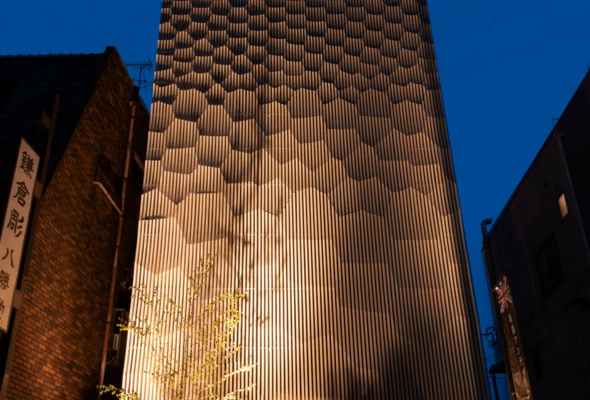
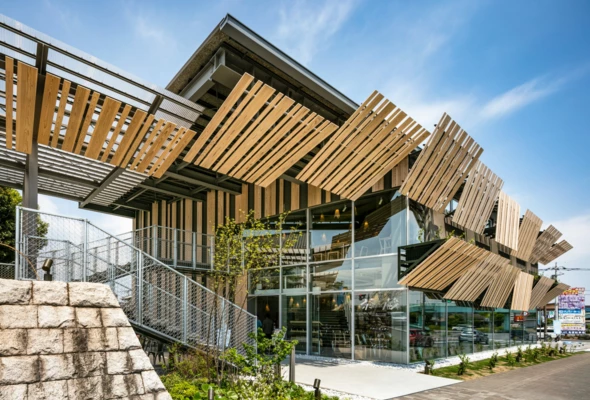
We collaborate with Kengo Kuma & Associates on competition concepts, combining their oriental sensibility with local traditions. The result is timeless, iconic architectural proposals for the region, such as the New Library in Rzeszów, conceived as a warm, light-filled cultural space for learning, exchange, and everyday community life.
A unique approach to space
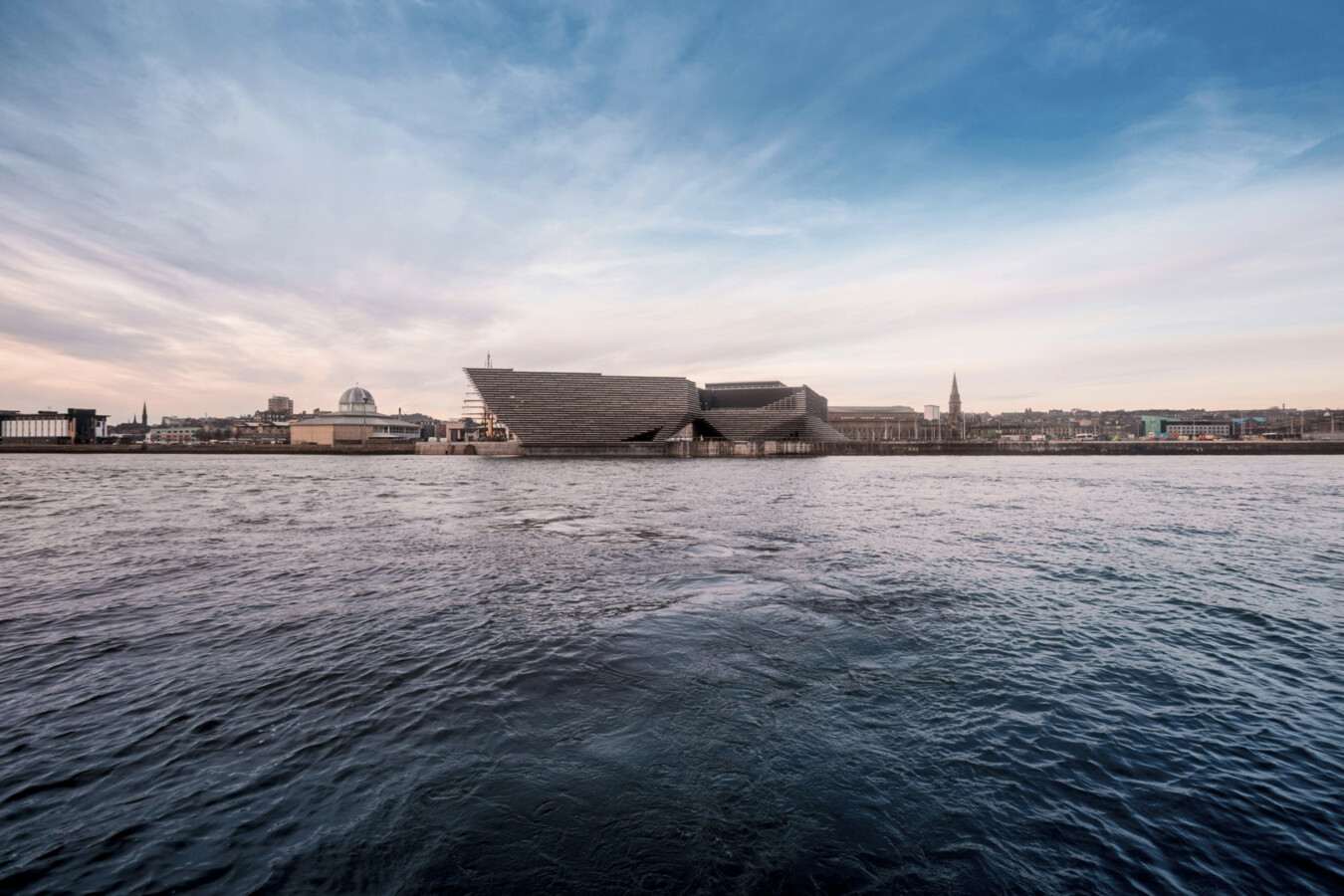
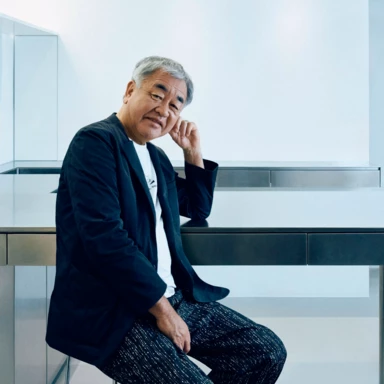
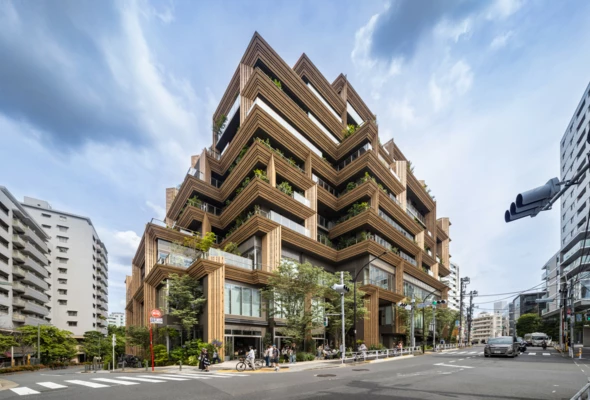
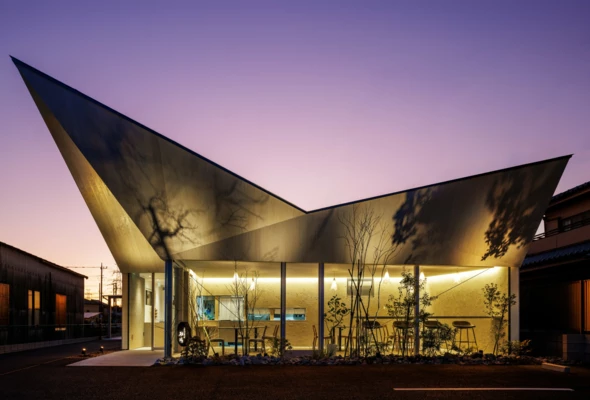
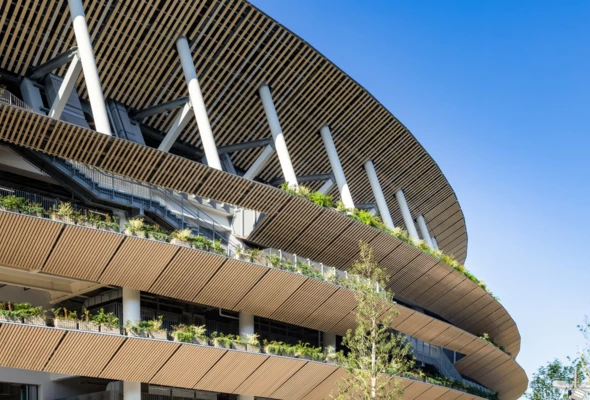
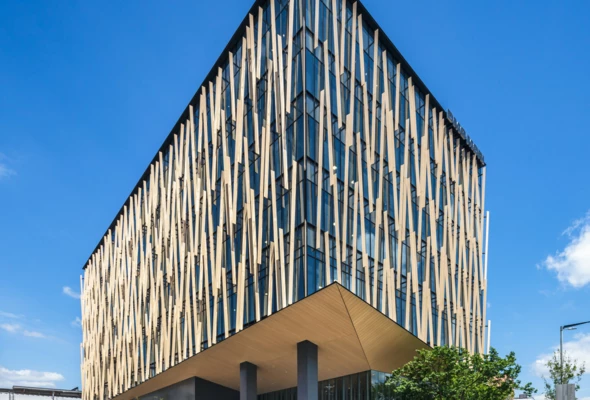
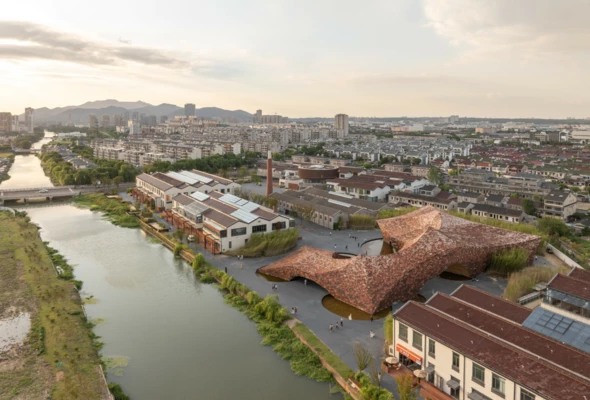
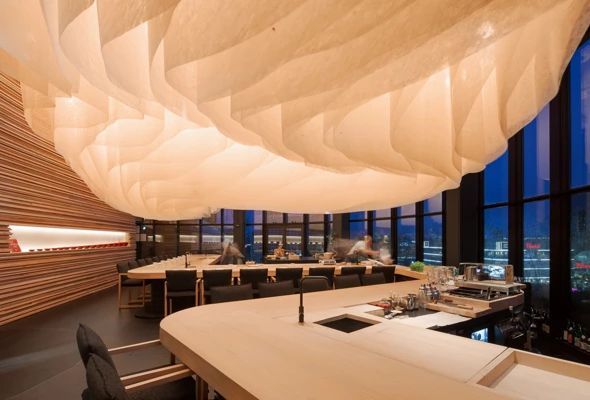
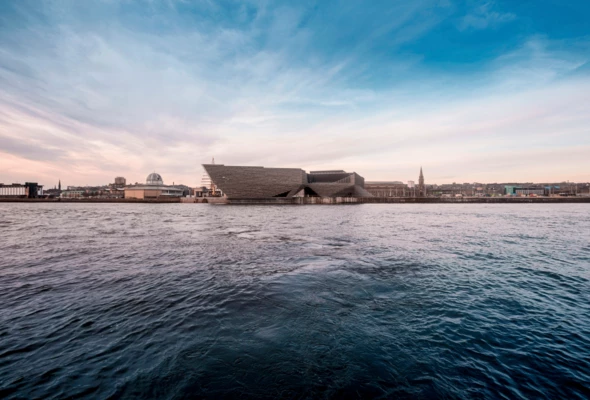
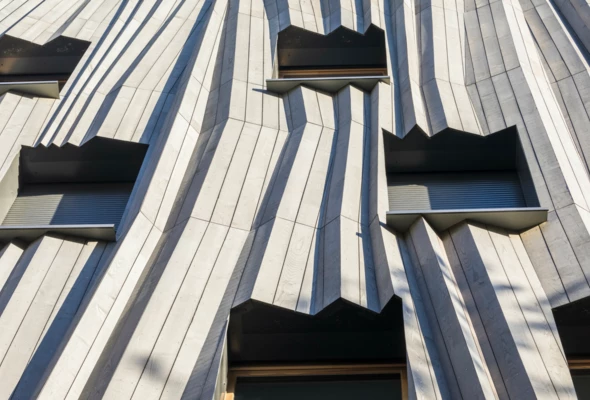
Kengo Kuma is a distinguished Japanese architect, professor, and founder of Kengo Kuma & Associates (1990), a practice currently operating globally and carrying out projects in over 50 countries. As a lecturer and professor emeritus at the University of Tokyo, as well as a member of the Japan Academy of Art, Kuma combines academia with design practice, promoting a philosophy of architecture rooted in the dialogue between nature, technology, and the human experience. He has published extensively on these concepts, and his designs are recognized for their sensitivity to site context and their ability to harmoniously blend tradition and modernity. Kengo Kuma's most recognizable projects include the Japan National Stadium in Tokyo – an icon of the 2020 Olympic Games; the Asakusa Cultural and Tourism Center in Tokyo; the V&A Museum in Dundee, Scotland; the GC Prostho Museum Research Center in Kasugai; and the Nagasaki Prefectural Museum of Art. These projects have established Kuma as one of the most important architects of our time, whose designs symbolize a balance between innovation and respect for nature and local traditions.
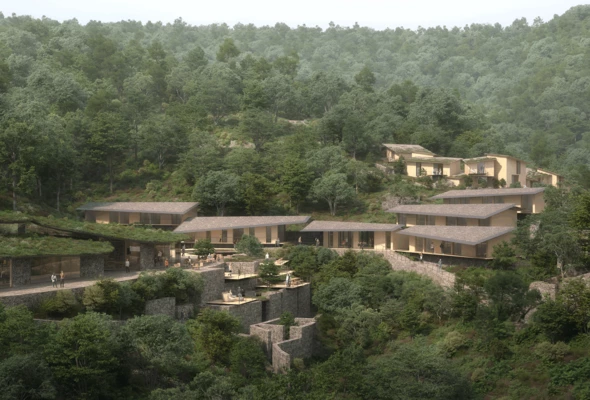
Transforming buildings into quiet extensions of nature, where createted spaces meant to be felt
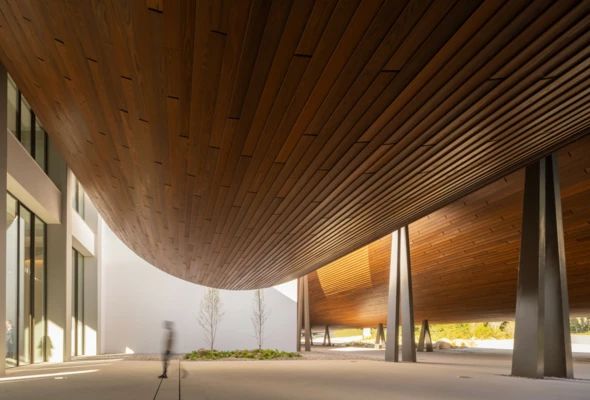
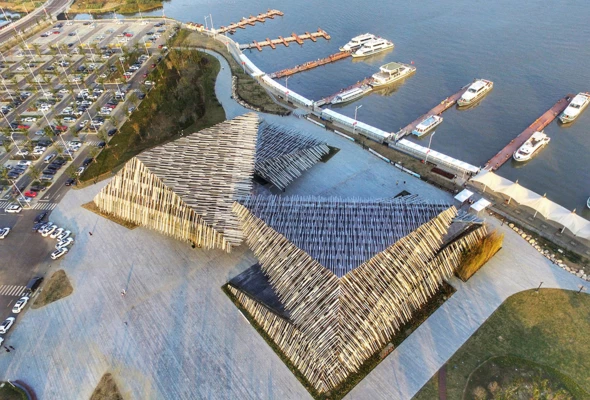
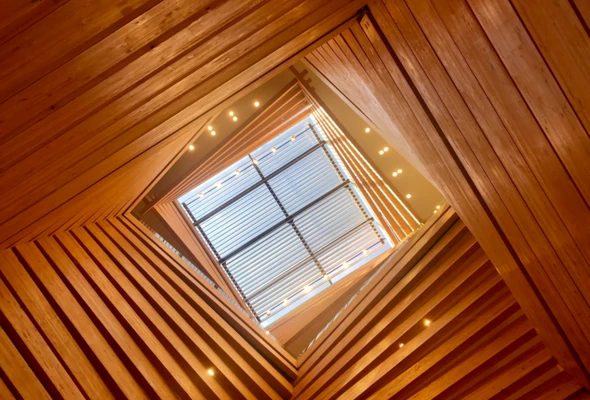
Library Word Vortex
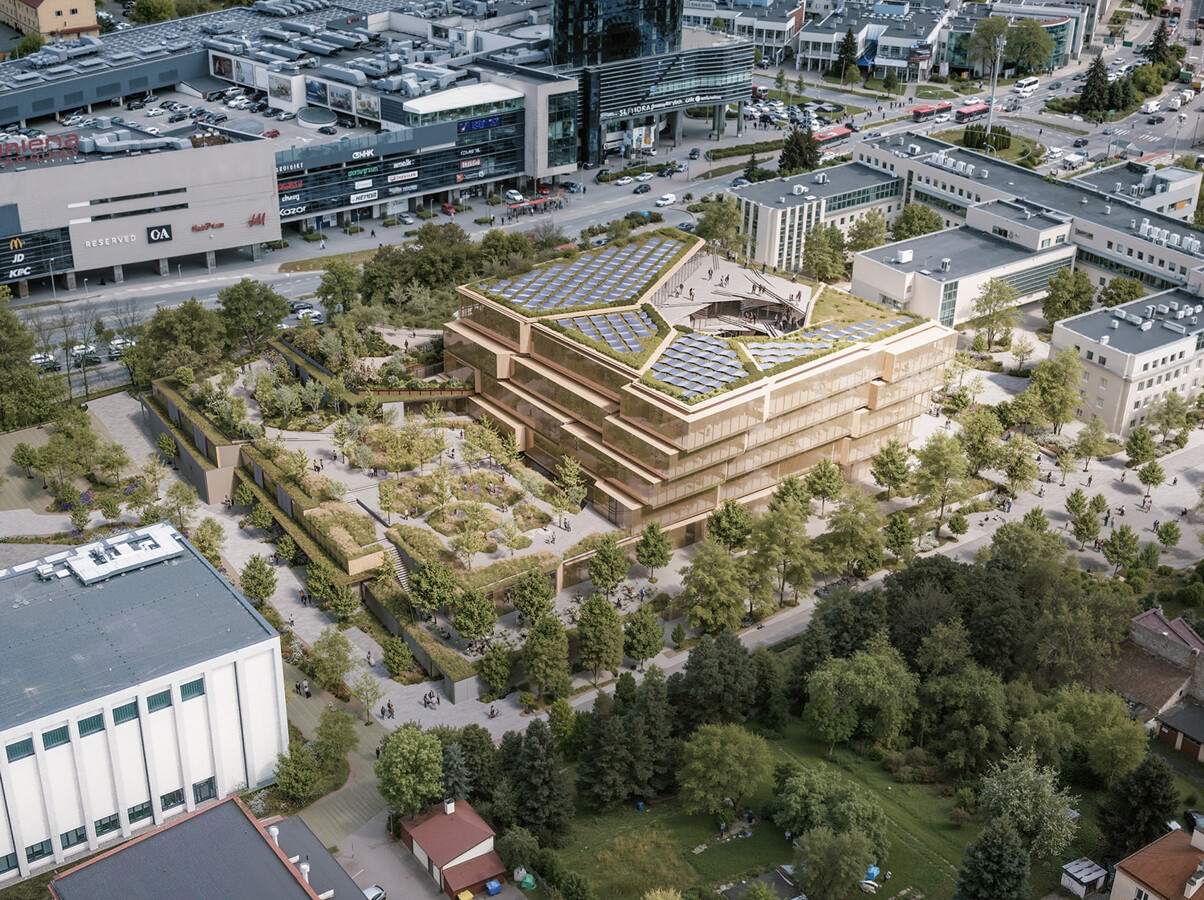
As part of the work on the concept for the New Library in Rzeszów, we collaborated with Kengo Kuma & Associates, combining our design experience with their approach to architecture rooted in materiality, daylight, and a strong relationship with the landscape. Together, we developed a coherent vision of the building as a contemporary public institution that integrates the library function with a broader cultural and social program.
The project was conceived as a multifunctional cultural center for diverse age groups, including a concert hall, flexible event spaces, reading rooms, and gardens. The aim was to create a place that supports education, creativity, and community integration while remaining firmly embedded in the local context.
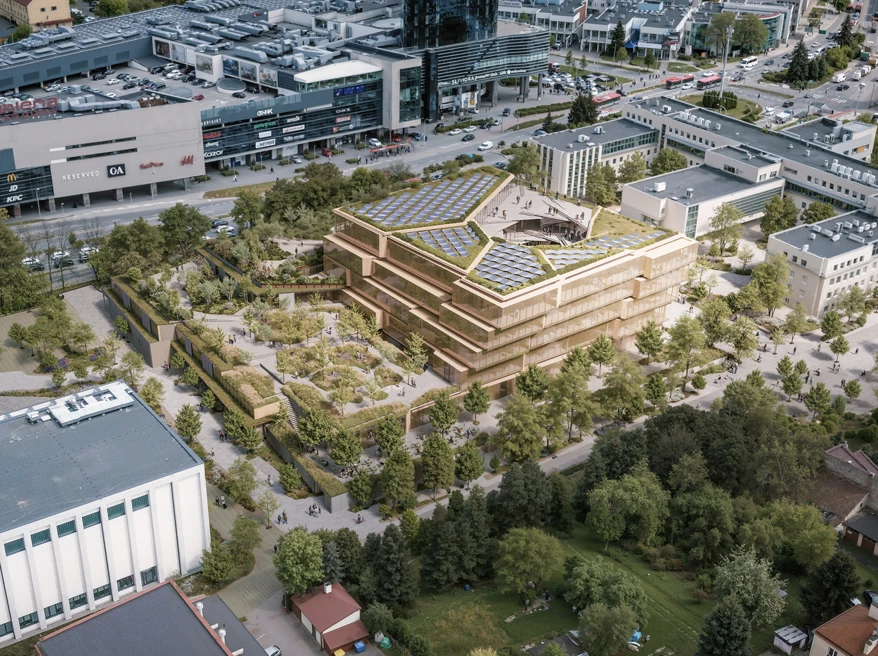
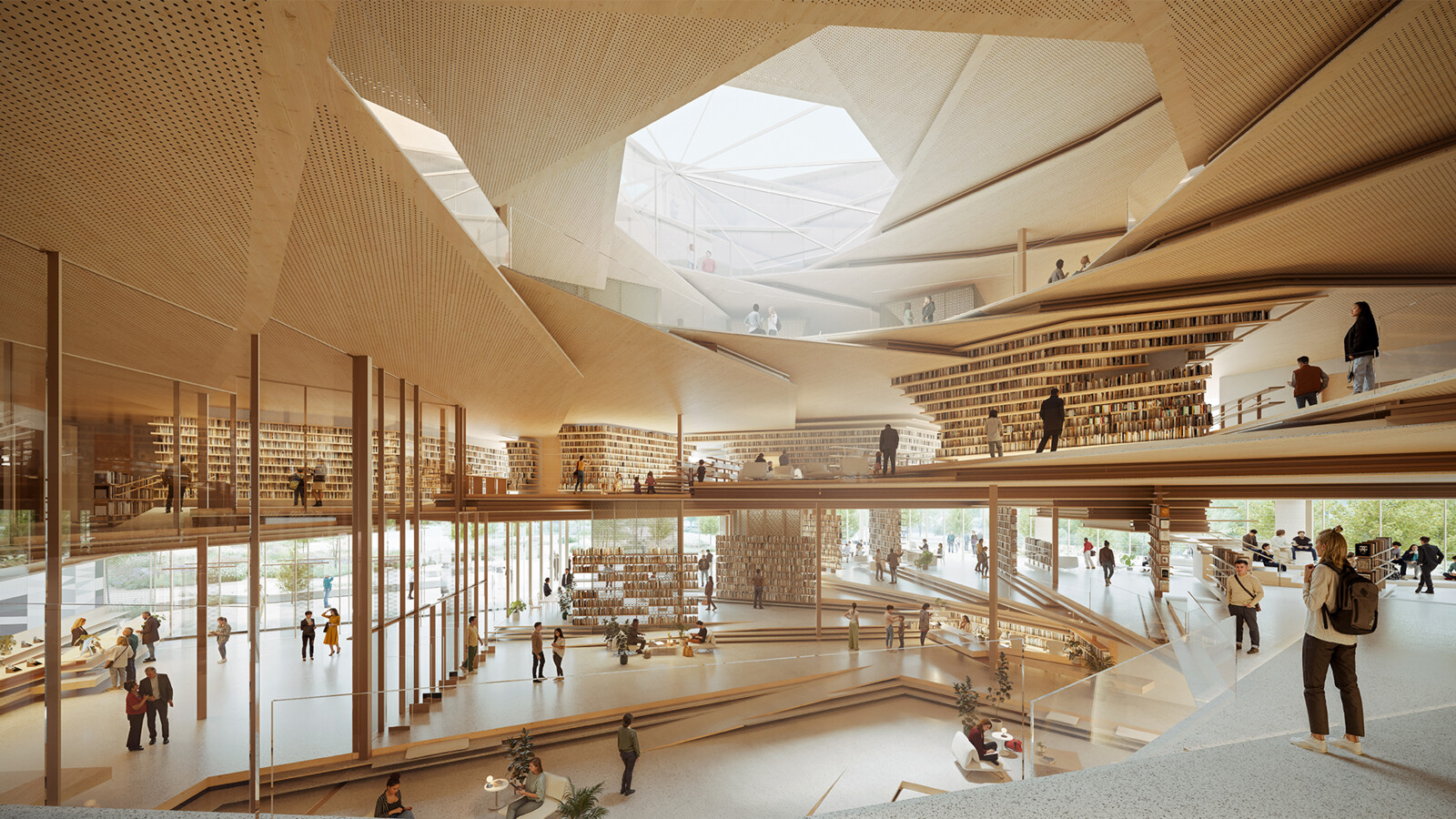
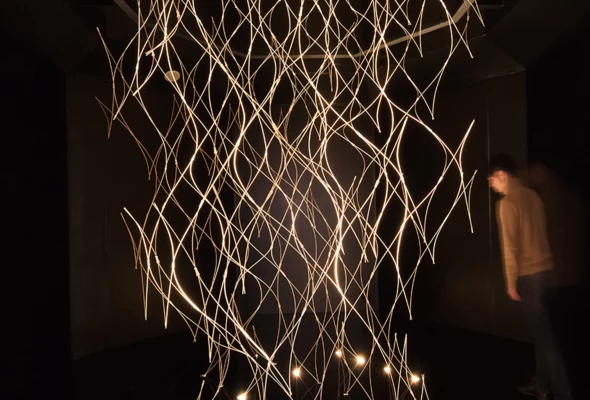
A key element of the concept is the “Word Vortex”, a spatial and circulation strategy organized as a spiral sequence that guides users through successive program zones. The proposal was awarded 1st Prize in the international competition organized by the City of Rzeszów and SARP.
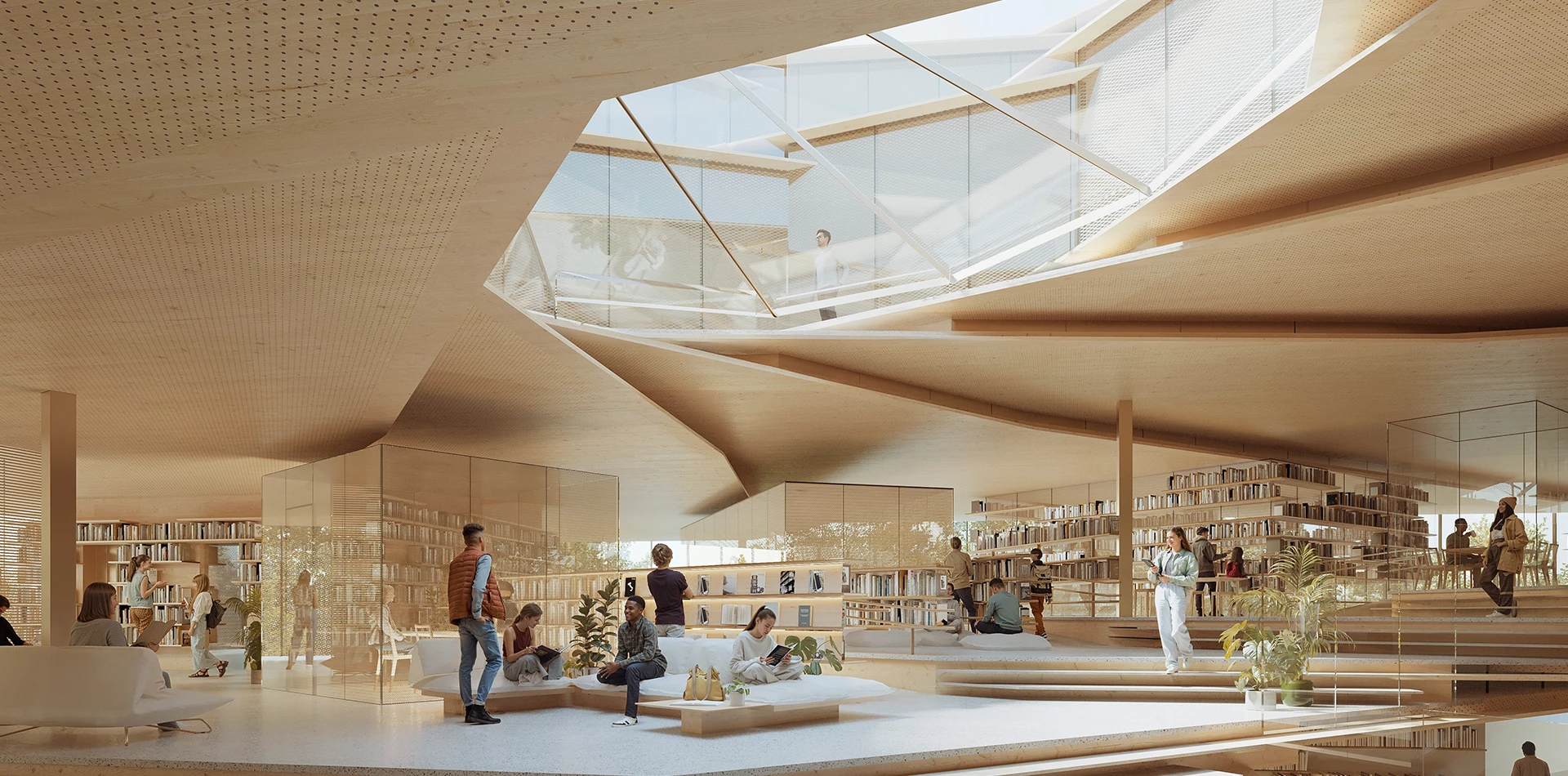
The interiors and public spaces of the New Library are designed as a continuous sequence of experiences, from the open entrance zone through cultural and educational areas to terraces and gardens. Below are the key places that define the building’s program, atmosphere, and everyday use.
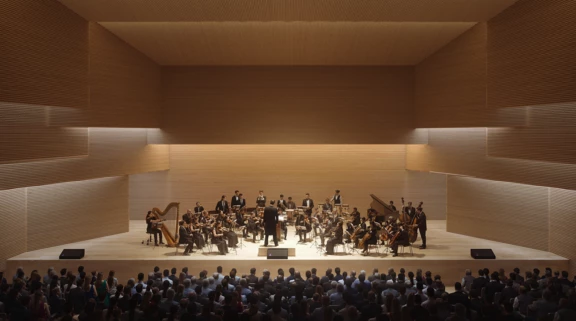
Concert hall
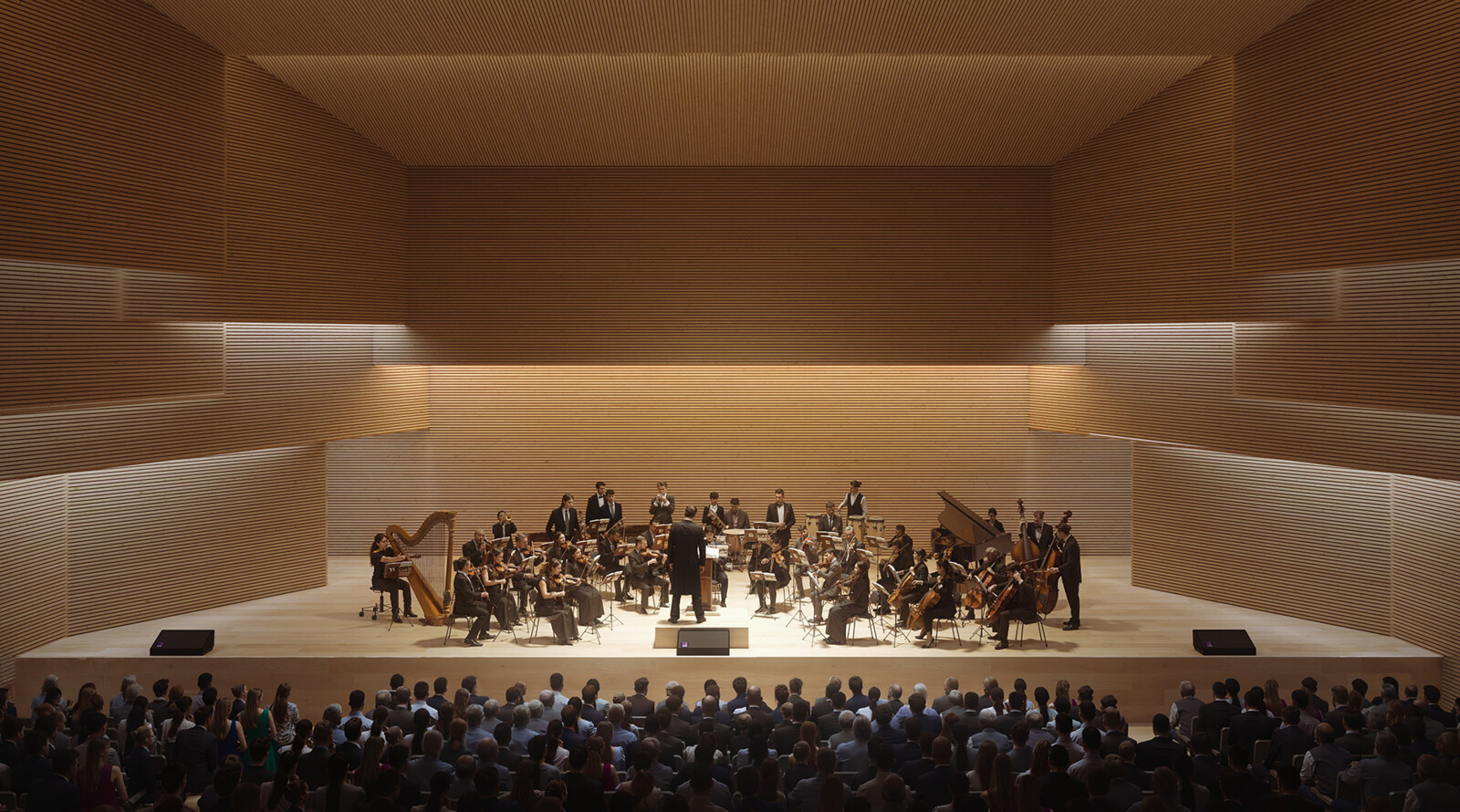
The concert hall combines a restrained architectural language with a strong sense of presence. Its clear geometry and controlled symmetry focus attention on the stage, allowing the music to remain the true focal point. Timber finishes create an immersive atmosphere reminiscent of the inside of an instrument, supporting both acoustic performance and a warm, quiet sense of enclosure.
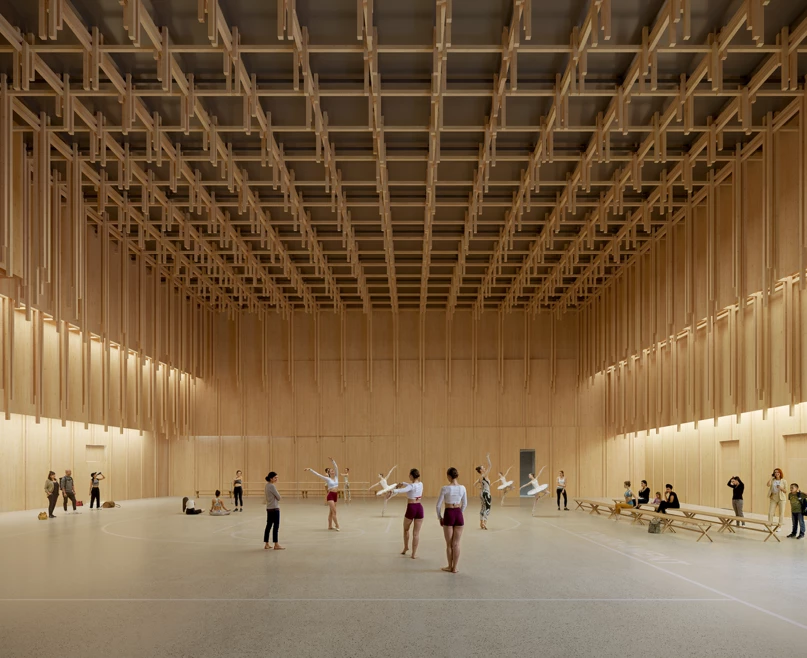
Multipurpose hall
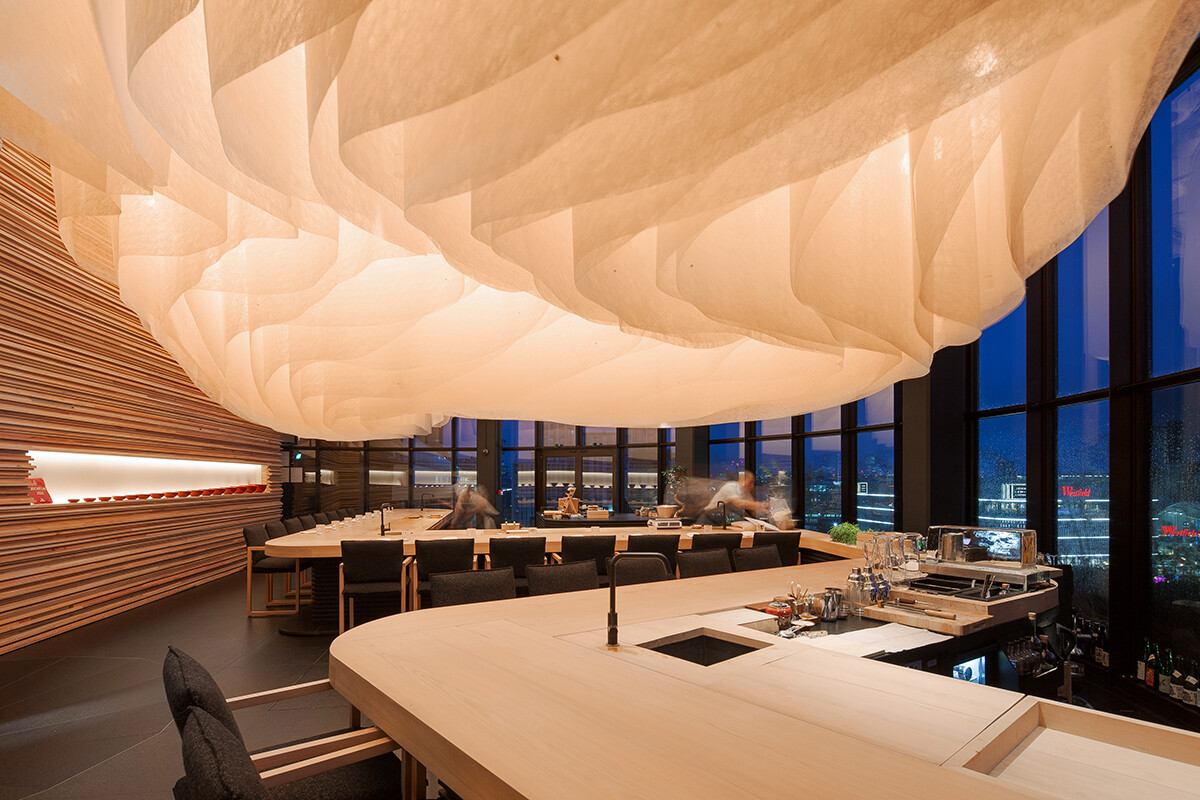
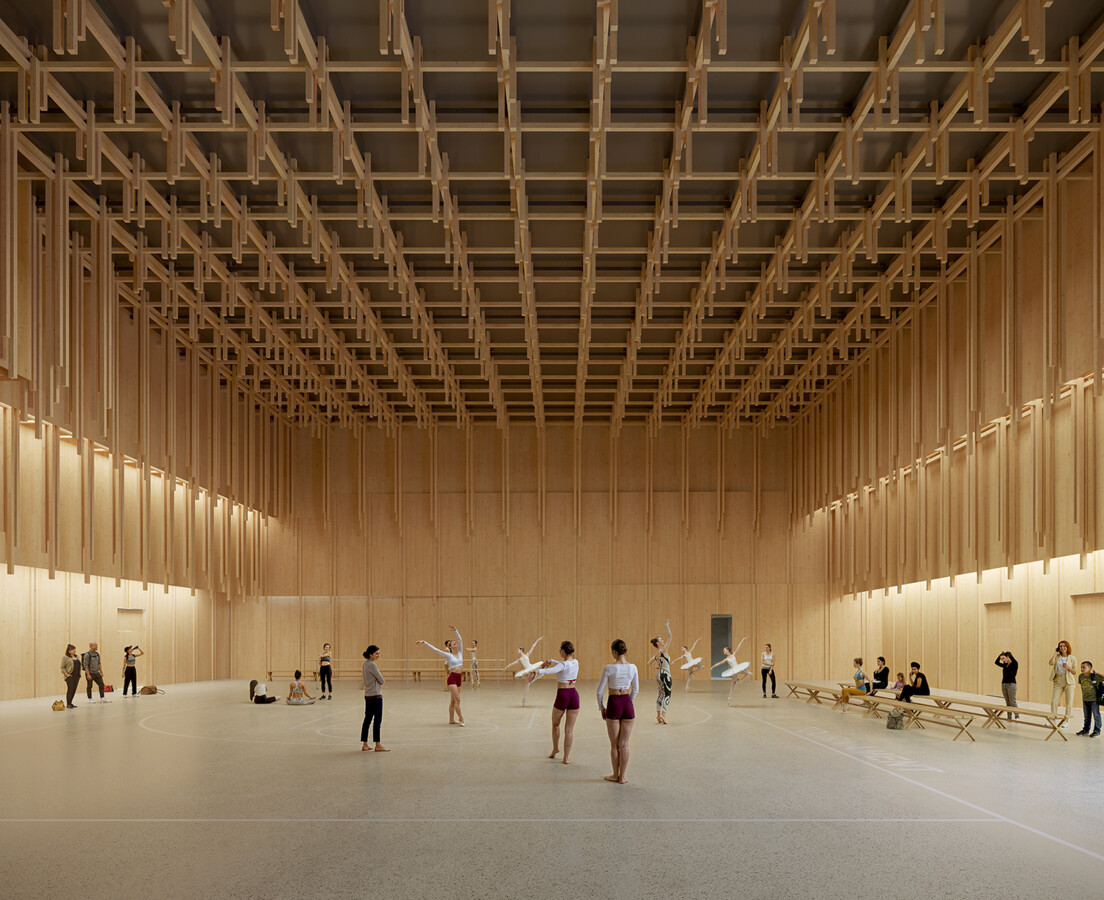
The multipurpose hall is designed as a flexible setting for movement-based activities, meetings, and cultural events. A rhythmic ceiling and vertical timber elements give the space a distinct, almost theatrical character. While neutral in function, it remains highly expressive through detail, repetition, and proportion.
Main reading room
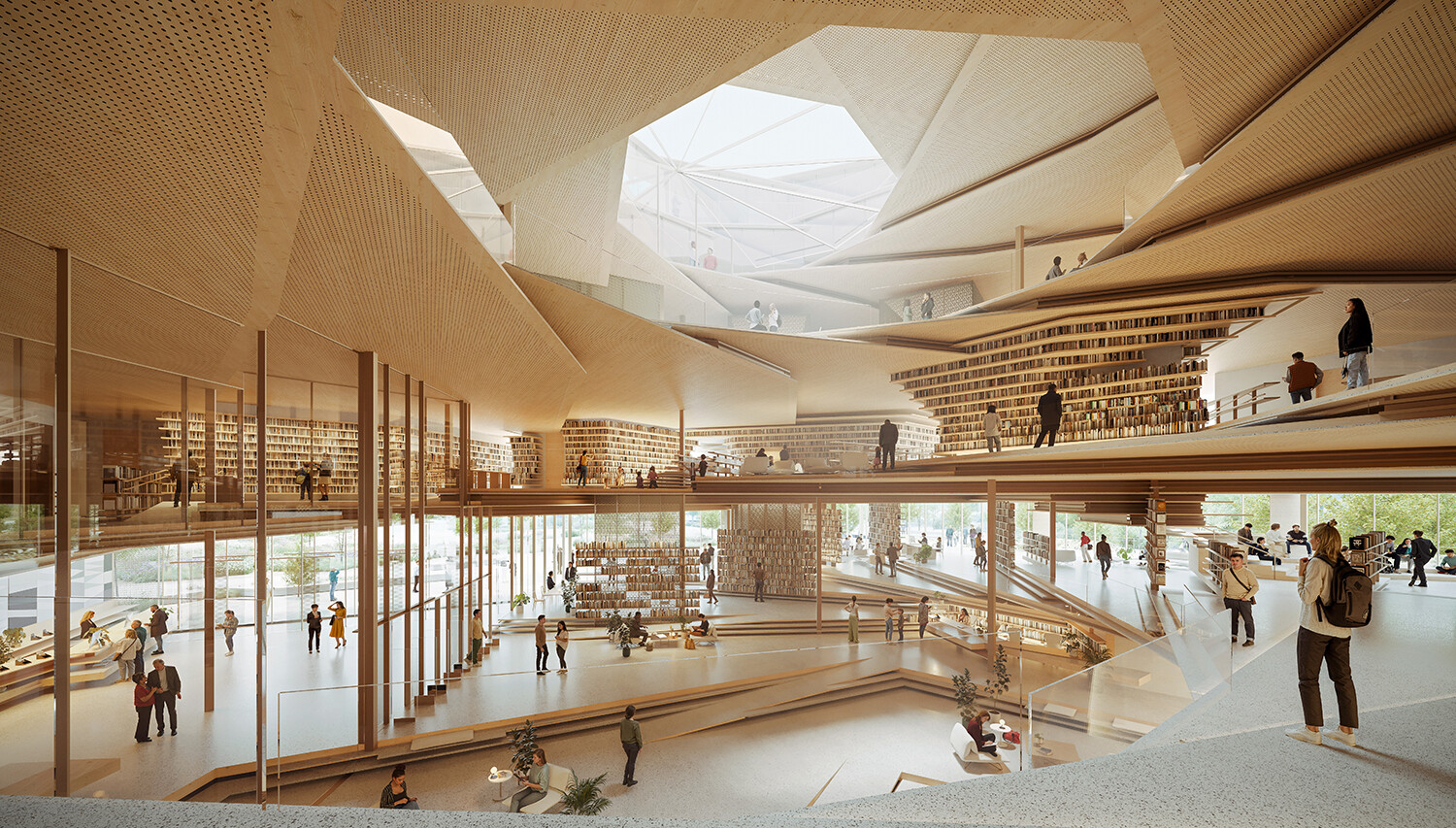
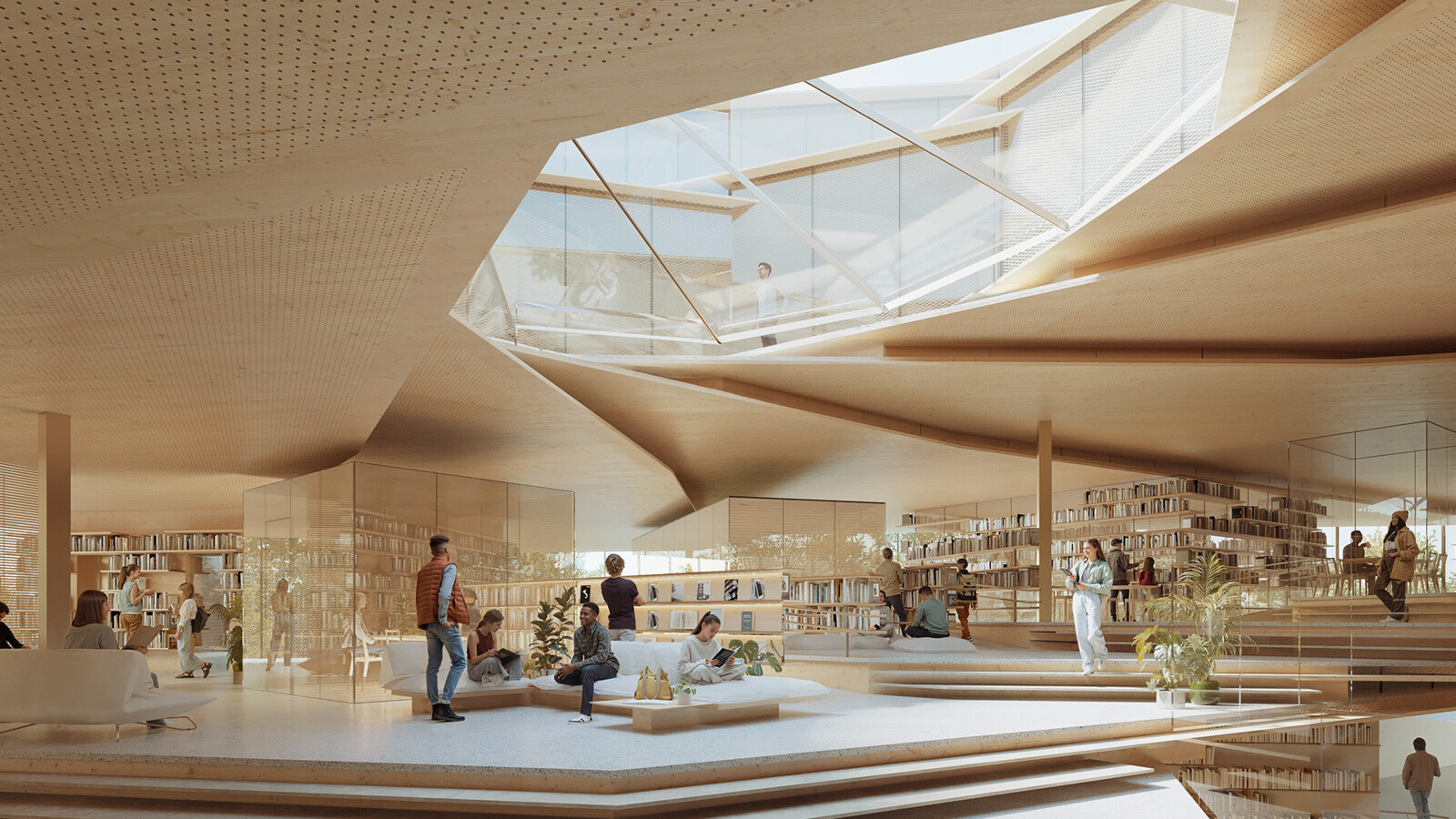
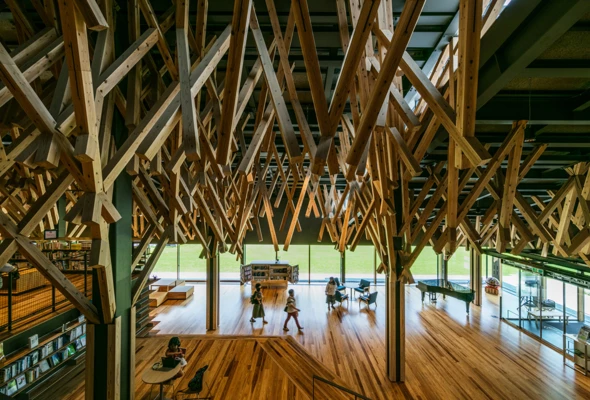
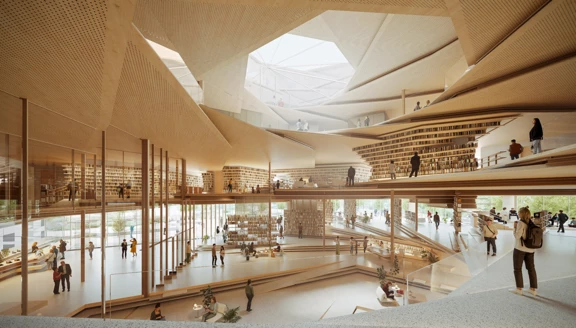
The main reading room is a generous, light-filled interior that combines open space with more intimate zones. Large roof skylights bring in soft daylight that washes over book stacks and seating areas. Platforms form natural places for meeting, working, and resting, supporting a contemporary library atmosphere that feels active, welcoming, and easy to navigate.
Public viewing terrace
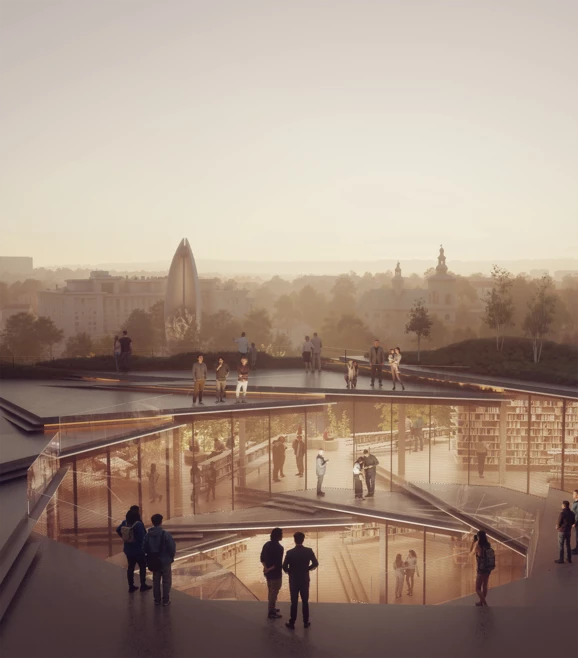
The viewing terrace is conceived as a natural extension of the library. A glazed opening reveals the interior, creating a clear relationship between indoor and outdoor space. The city panorama forms a calm backdrop for walking, conversation, and rest.
Gallery