
Rzeszów is realizing the vision of a modern and sustainable Future PARK district, co-created with the MVRDV studio, whose heart will be the SOL@RES water sports center designed by TKHolding – a symbol and landmark of the entire investment.
MVRDV
Architecture practice MVRDV was set up in 1993 in Rotterdam, The Netherlands by Winy Maas, Jacob van Rijs and Nathalie de Vries. Finding early success with projects such as the headquarters for the Dutch Public Broadcaster VPRO and WoZoCo housing for the elderly in Amsterdam, MVRDV developed into an internationally-renowned firm. Now, the three founding partners lead a dynamic and optimistic team of over 300 alongside partners Frans de Witte, Fokke Moerel, Wenchian Shi, Jan Knikker, and Bertrand Schippan. With four satellite offices in Shanghai, Paris, Berlin, and New York, MVRDV engages globally in providing solutions to contemporary architectural and urban issues.
MVRDV operates via a research-based and highly collaborative design method, engaging experts from all fields, clients, and stakeholders in their rigorous technical and creative investigation. This results in exemplary and outspoken buildings, urban plans, studies, and objects that enable our cities and landscapes to develop towards a better future. MVRDV works with BIM and has official in-house BREEAM and LEED assessors. Together with Delft University of Technology, MVRDV runs The Why Factory, an independent think tank and research institute providing an agenda for architecture and urbanism by envisioning the city of the future.
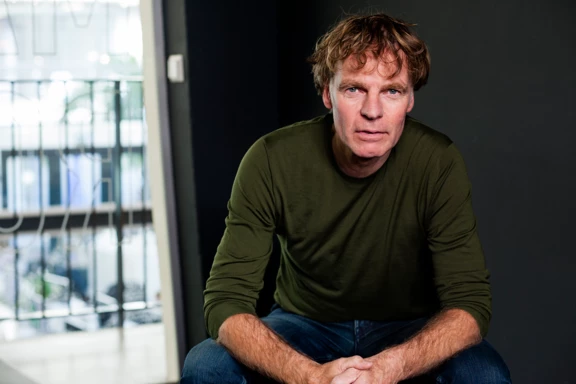
Winy Maas is a founding partner, principal architect, urban planner, and landscape architect who has led MVRDV since 1993. The studio is internationally recognised for innovative, experimental work, including Markthal (Rotterdam), Valley (Amsterdam) and Depot Boijmans Van Beuningen. Maas is also Professor of Urbanism and Architecture at Delft University of Technology and the founder of The Why Factory, focused on future city research. He has received the Order of the Dutch Lion and was appointed Chevalier de la Légion d’honneur.
Designing the future of cities
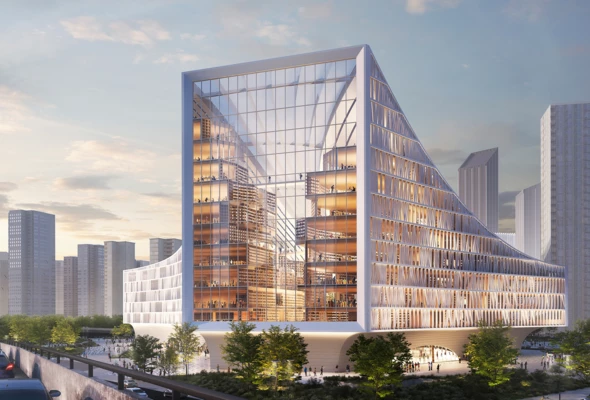
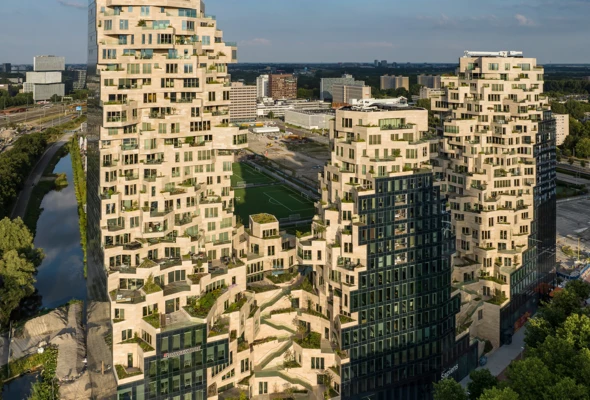
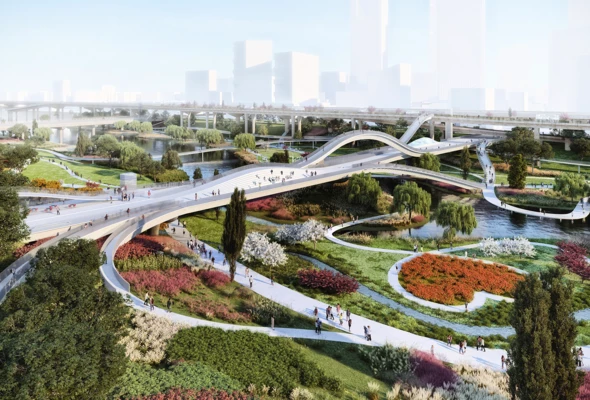
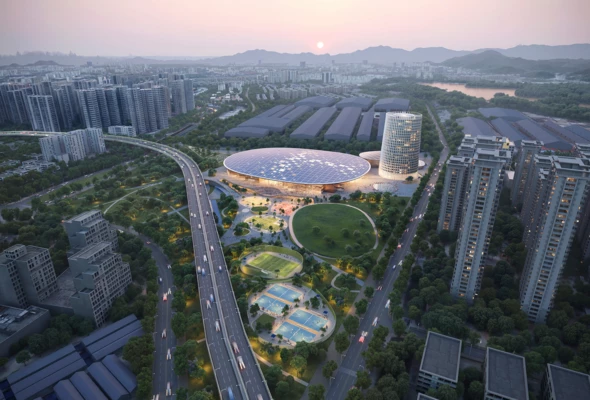
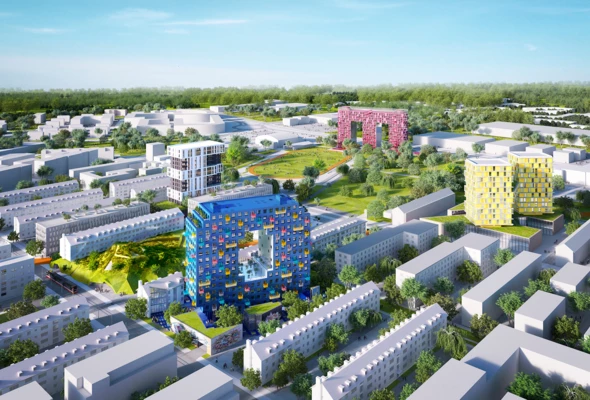
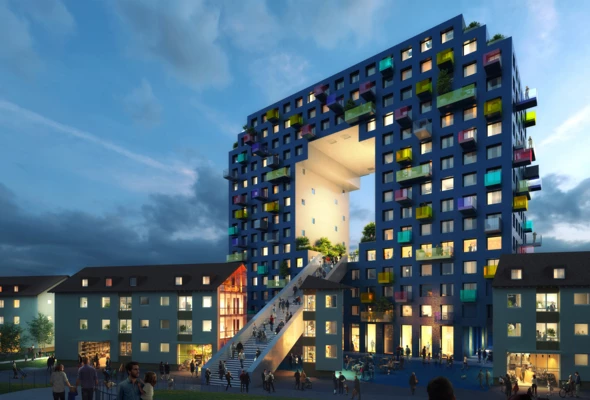
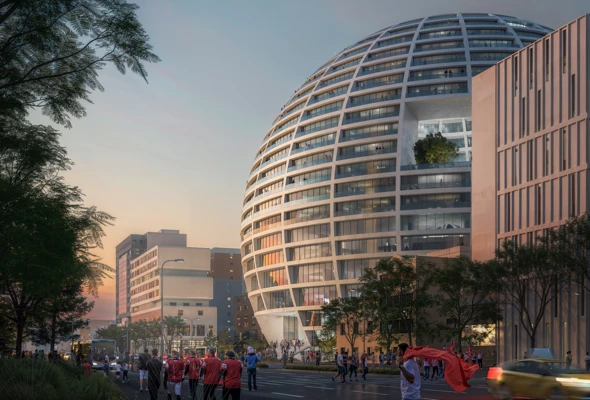
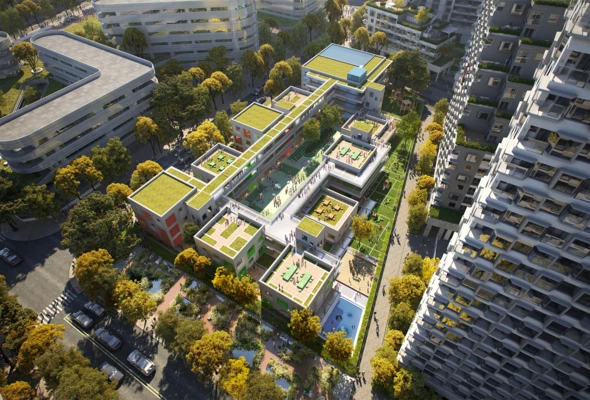
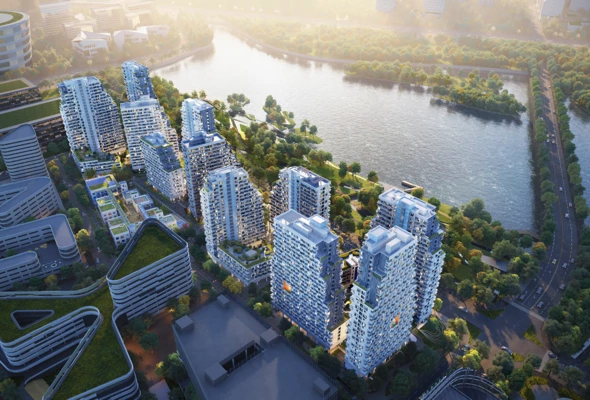
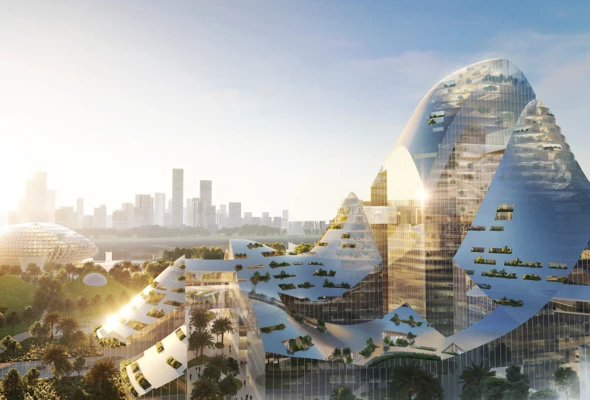
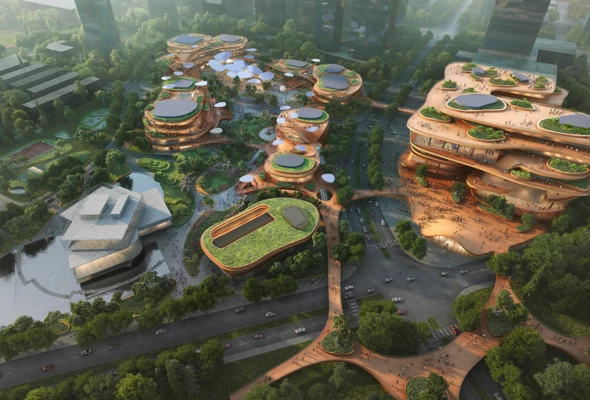
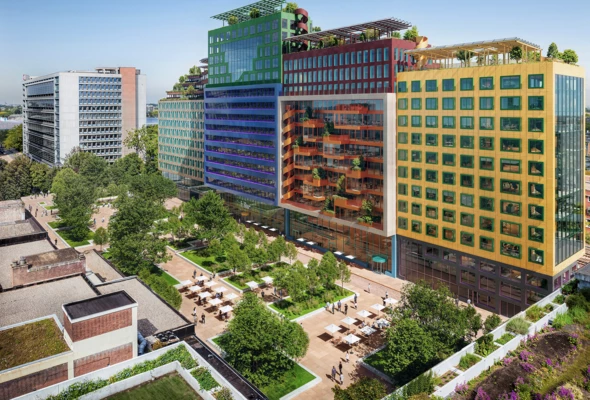
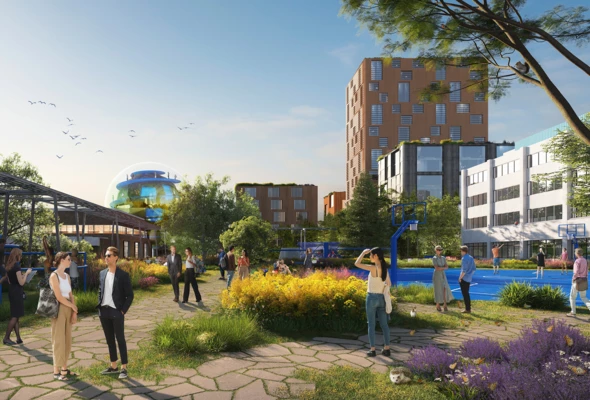
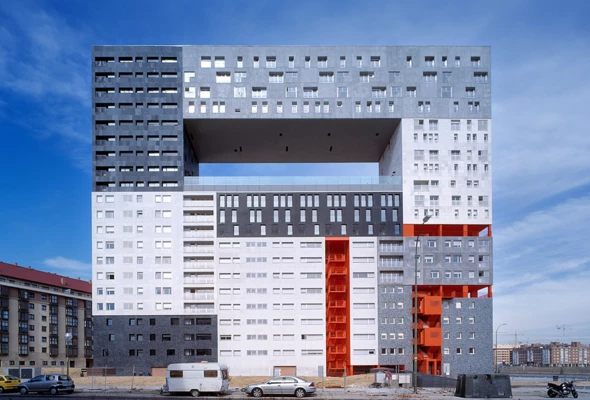
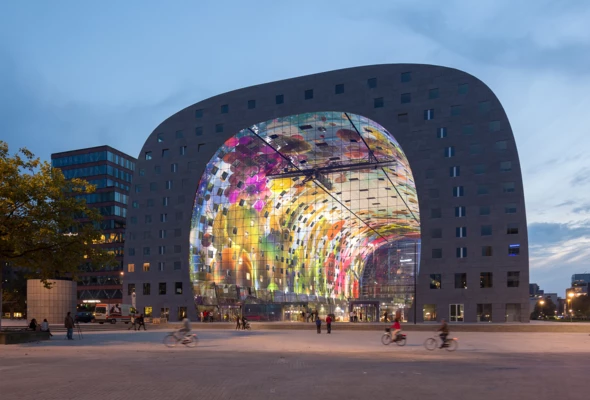
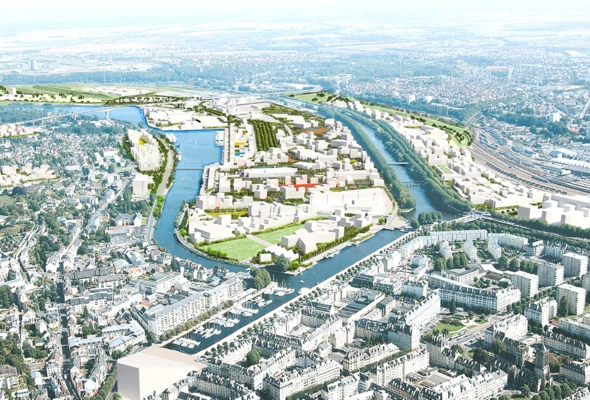
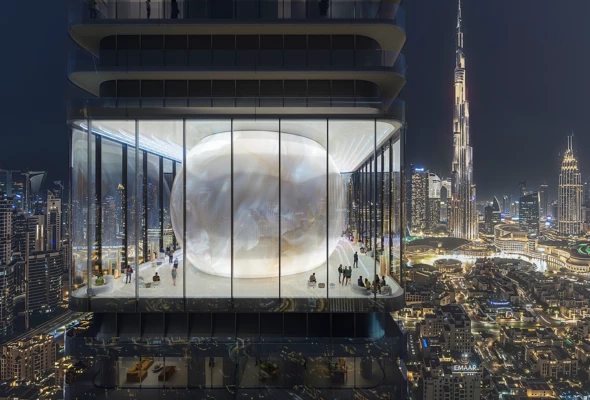
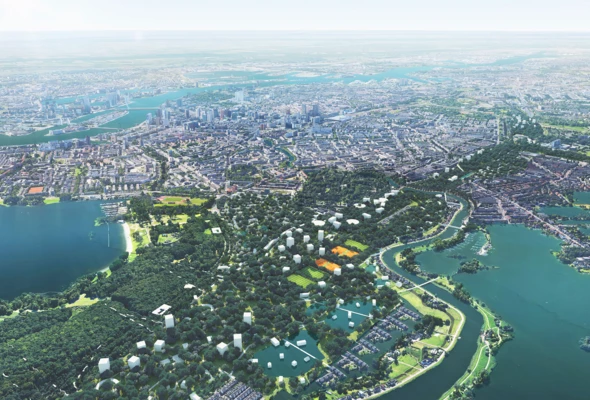
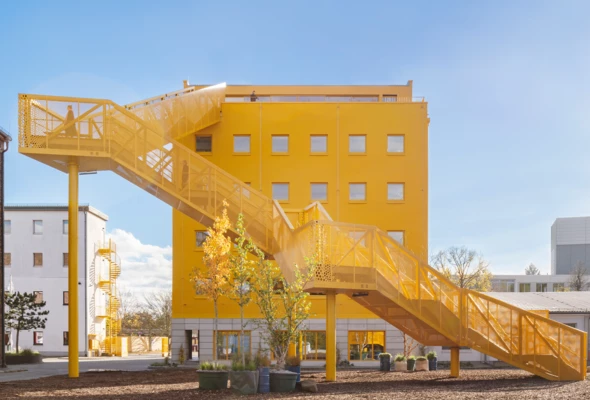
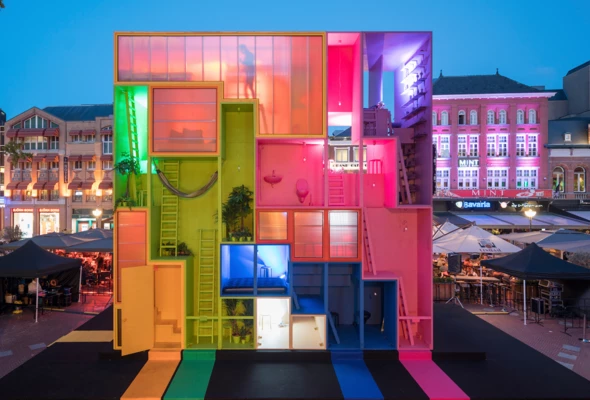
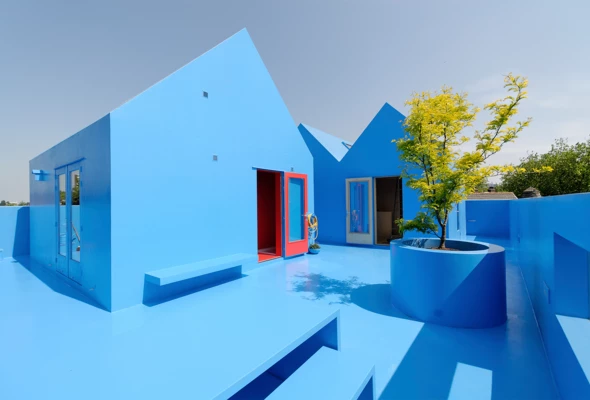
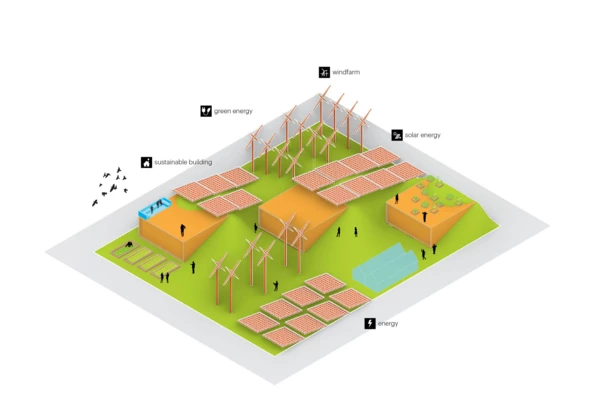
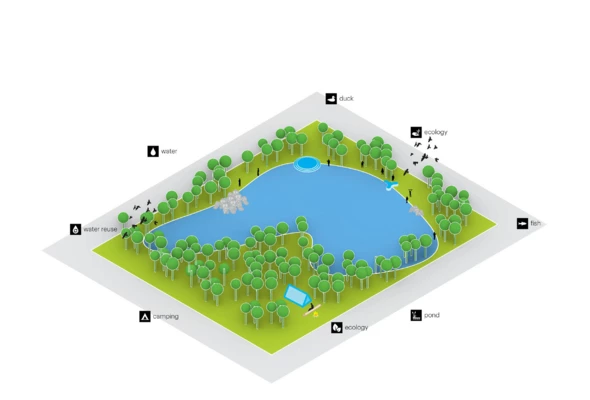
Garden City Concept
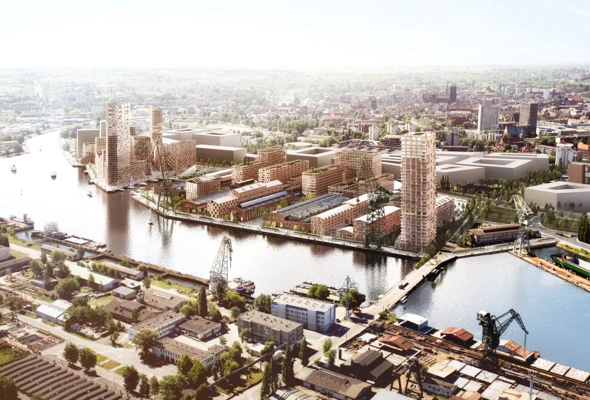
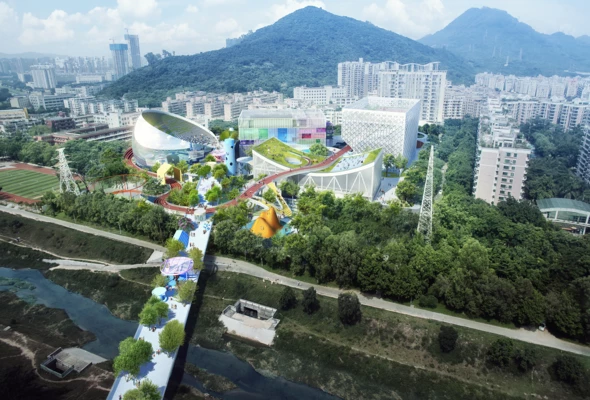
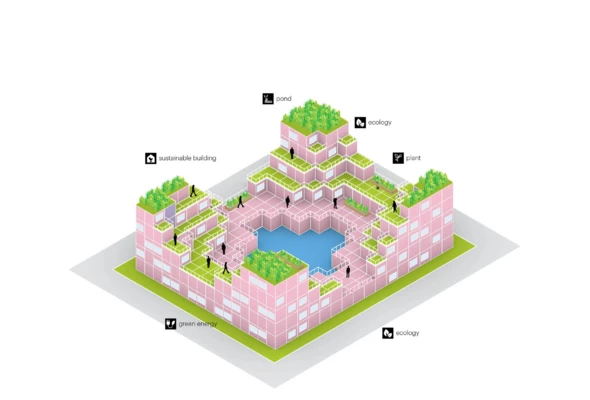
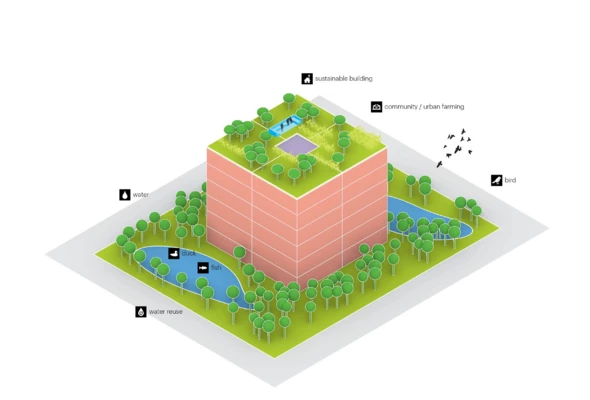
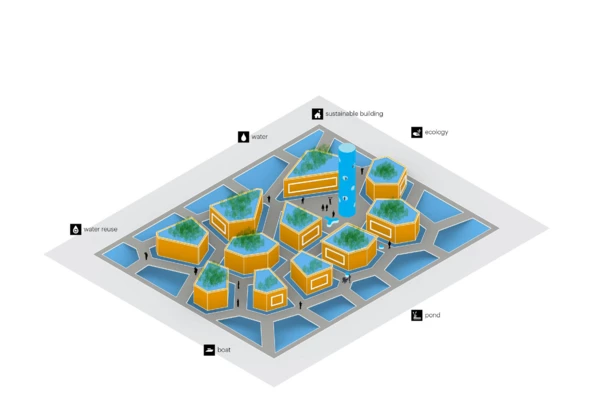
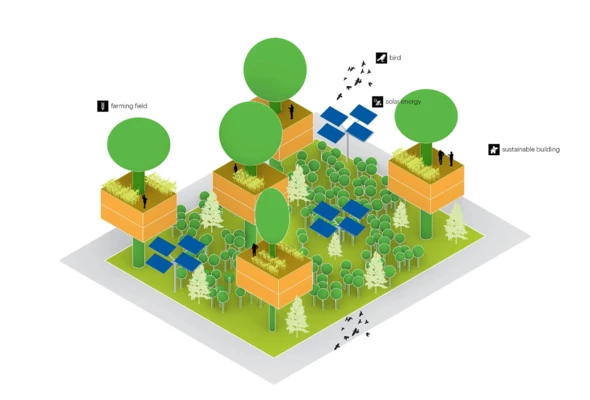
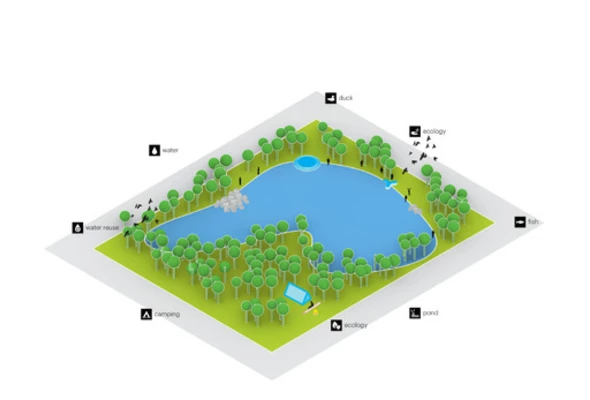
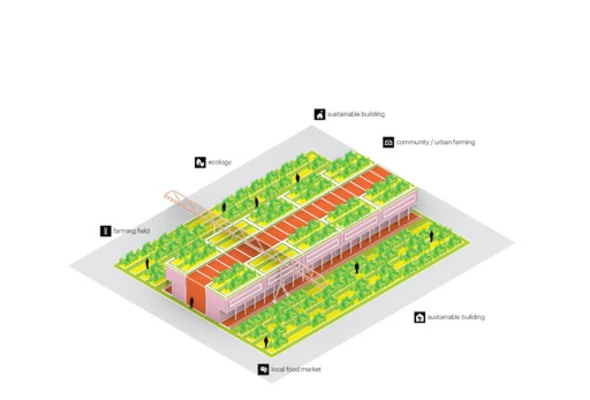
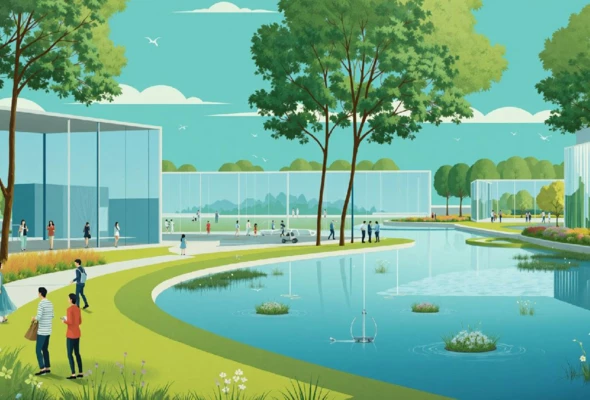
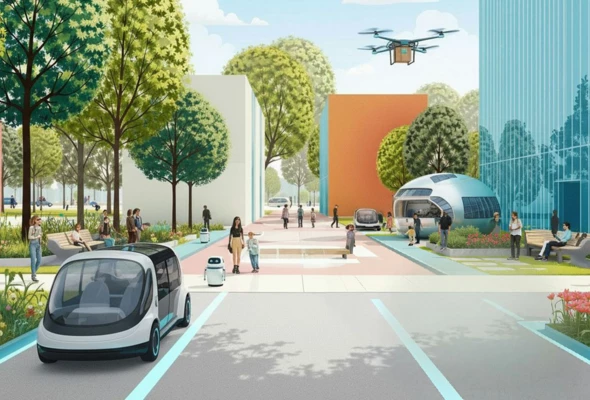
A new project is taking shape with collaboration with MVRDV, Future Park, urban district in Rzeszów, envisioned as one of the city’s most advanced and sustainable areas. The masterplan combines an amusement park, extensive green spaces, and Singapore-inspired urban solutions, while embracing the principles of the 15-minute city and the garden-city concept. Driven by the ambition to deliver world-class design, we invited MVRDV, led by the renowned Winy Maas, to co-create this vision and bring global experience and bold ideas to one of the region’s most significant urban developments. Together we are shaping the future of Rzeszów and a rapidly evolving Poland, with SOL@RES at the heart of the district, a water sports center designed by TKHolding that serves as both a symbolic and functional landmark for the entire neighborhood.
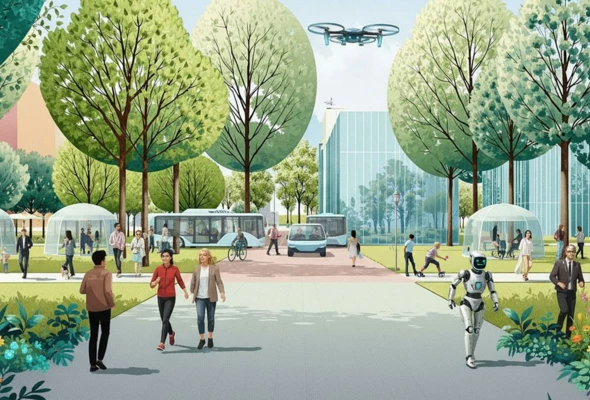
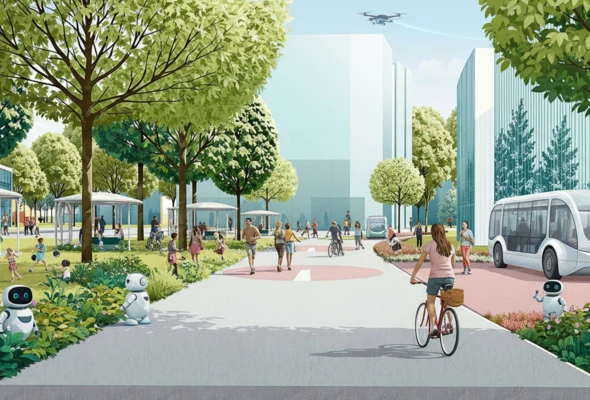
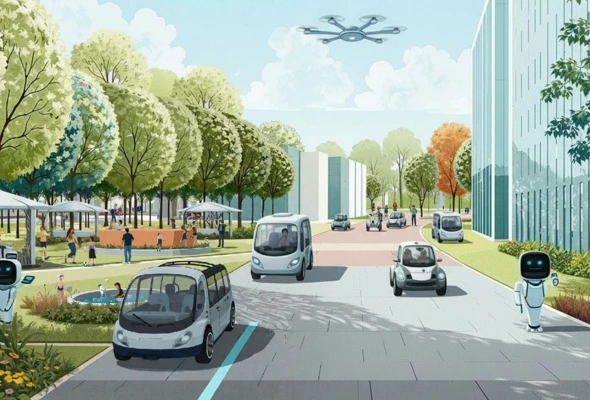
Winy Maas Lecture in Rzeszów
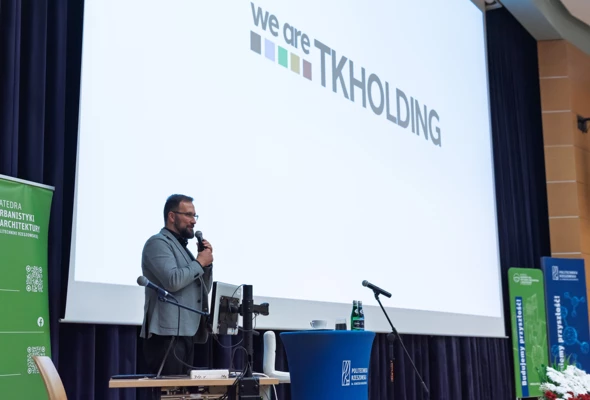
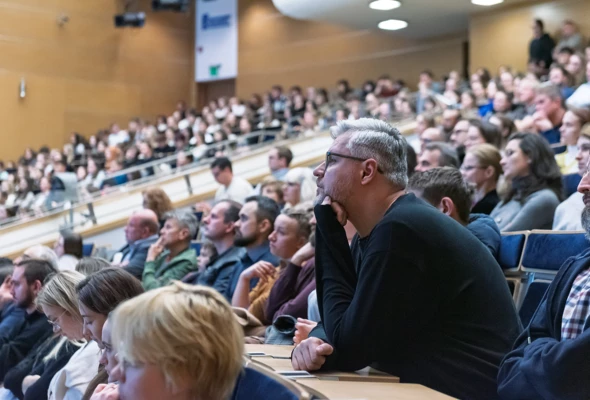
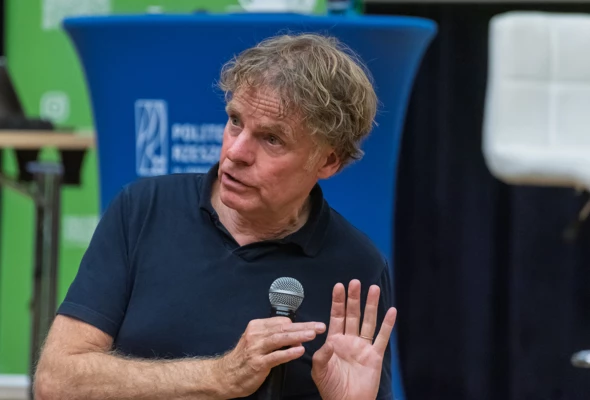
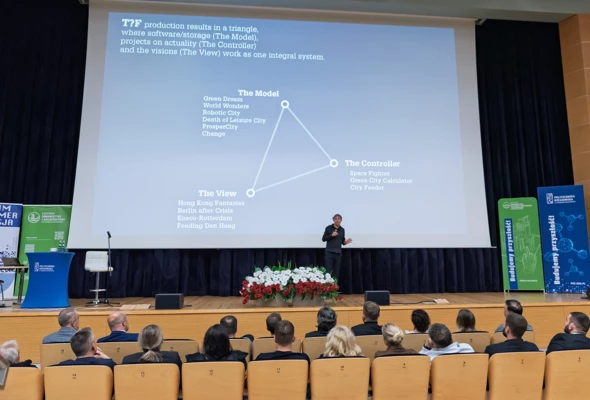
One of the key milestones in the collaboration on Future Park in Rzeszów was an open public meeting with residents, centred around a lecture by Winy Maas, co-founder of MVRDV. A packed university auditorium confirmed the strong public interest in the city’s development direction and the scale of the planned transformation, as well as the importance of discussing Rzeszów’s future within a broader, international perspective. The event created space for sharing inspiration, asking questions, and building a common understanding of the ideas behind the new district, including principles of sustainable planning, green infrastructure, and the quality of public spaces.
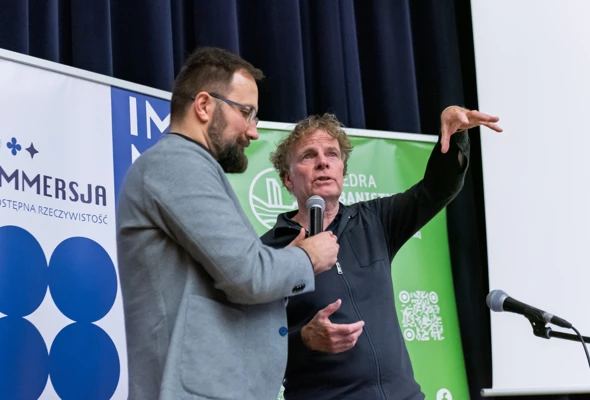
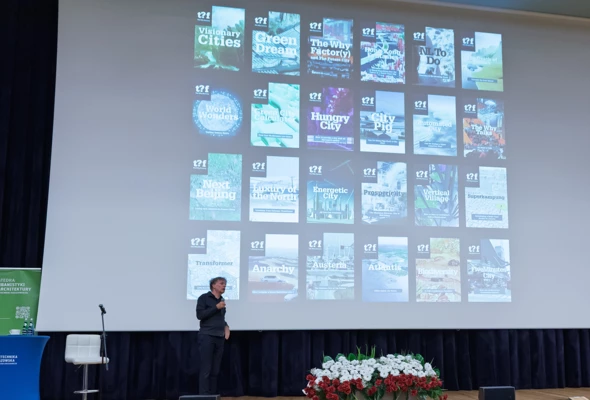
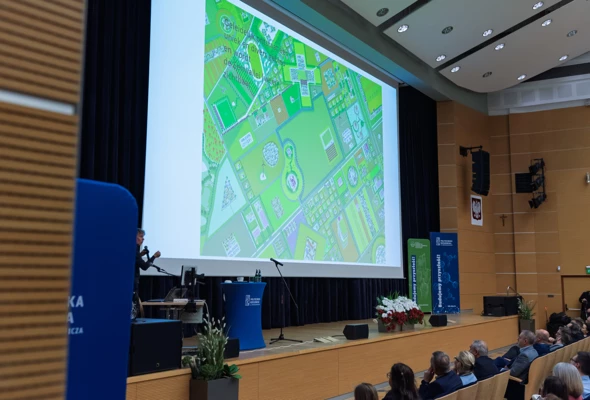
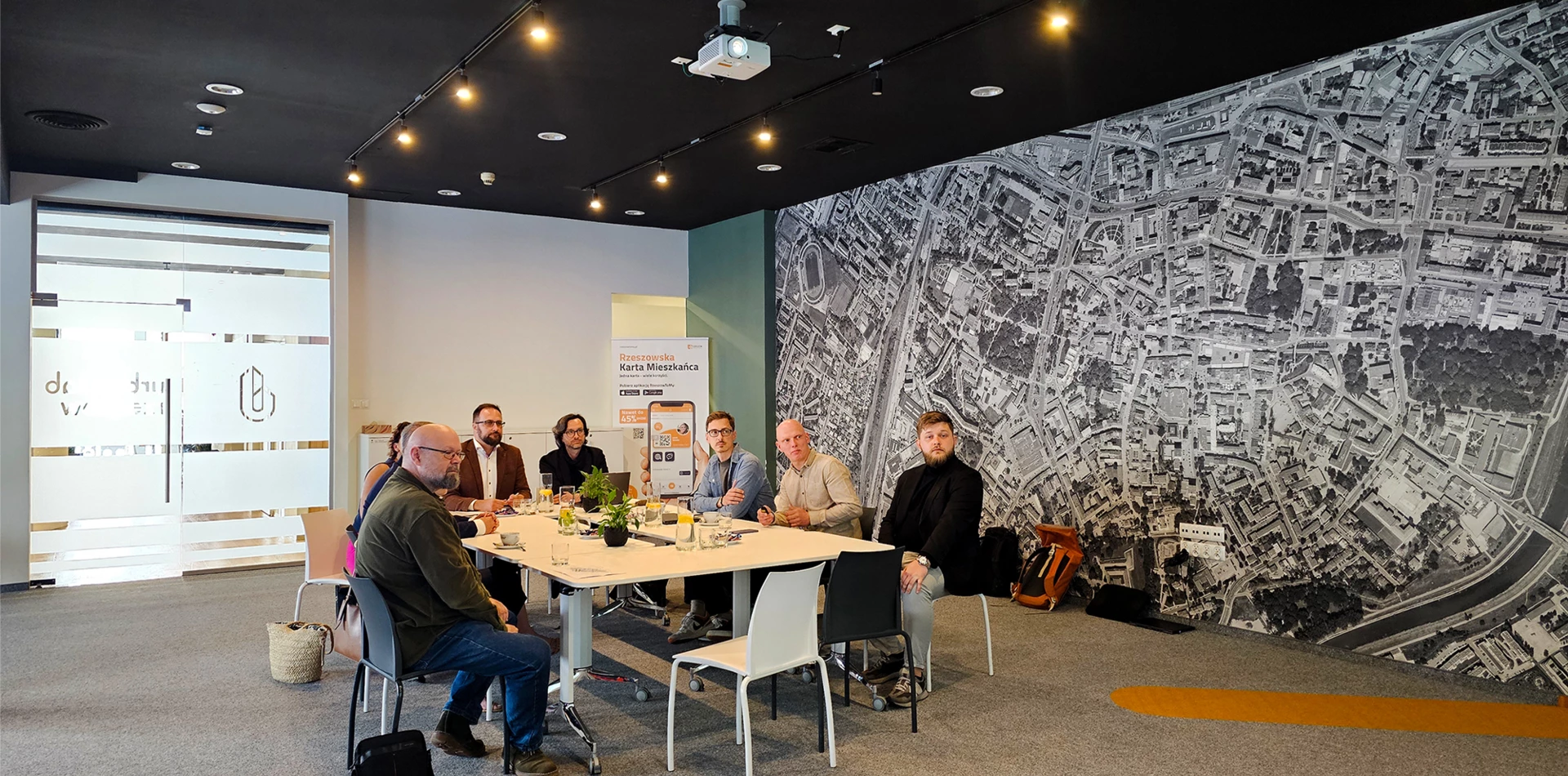
One of the key elements of the ongoing collaboration on Future Park in Rzeszów was a working meeting held in Prague at CAMP – Centre for Architecture and Metropolitan Planning, organized in connection with a lecture by Winy Maas focused on the future of cities. The meeting provided an opportunity to discuss the next stages of the project and to refine the core assumptions of the masterplan for the new district. It marked an important step in the international collaboration with MVRDV, forming part of a long-term, structured design process aimed at developing a coherent and sustainable vision for Future Park as a city of the future.