
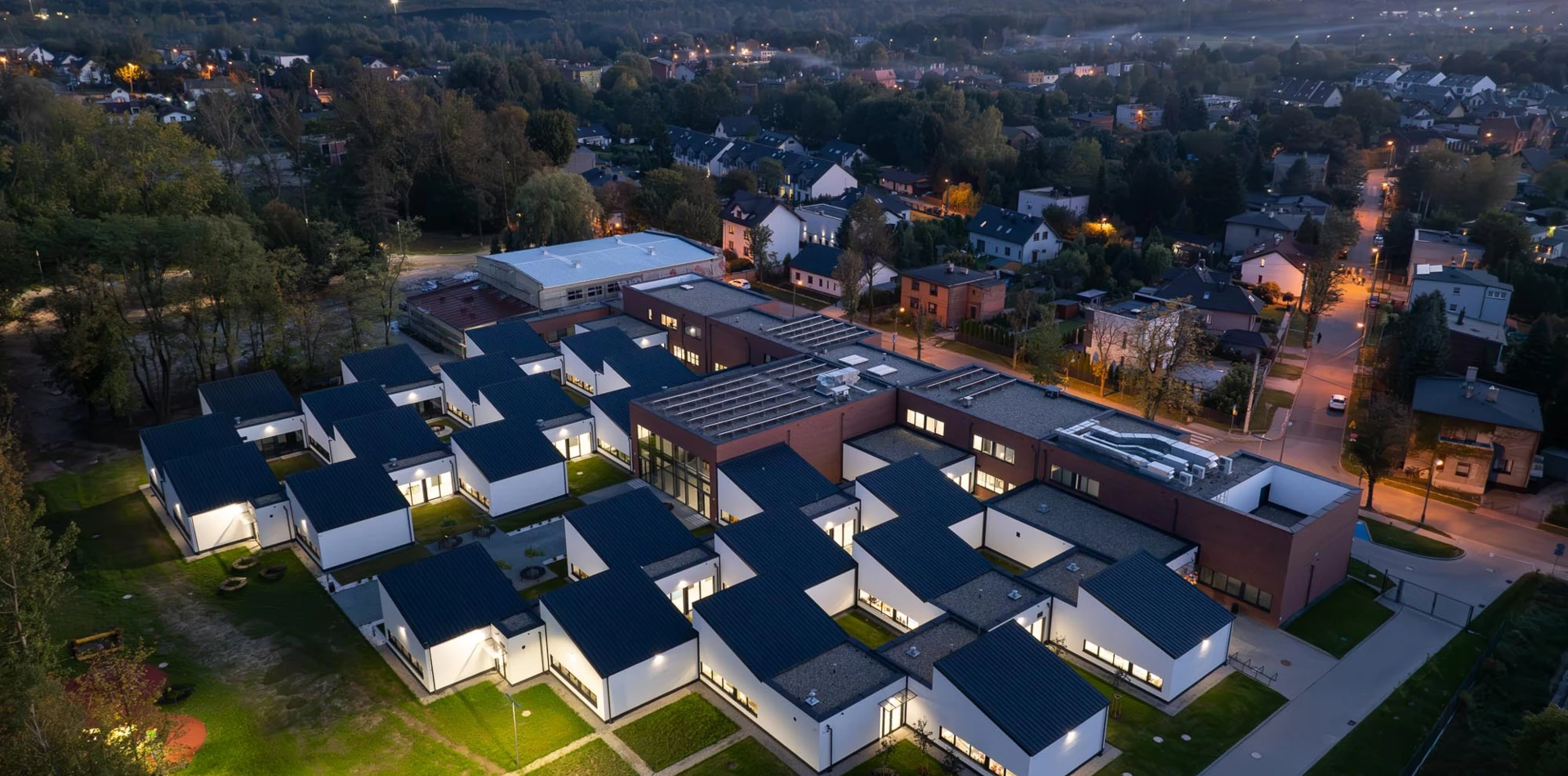
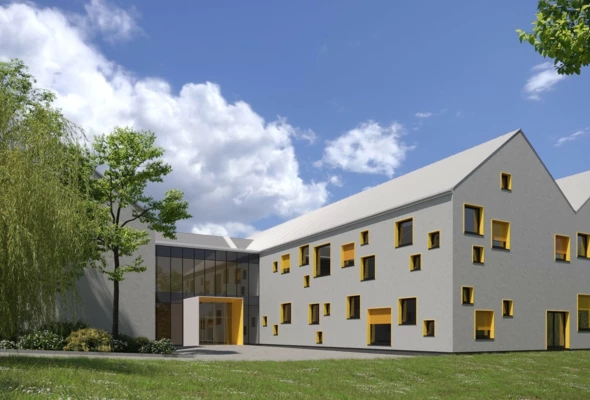
Together with Hornik Chmura Architektura, we delivered the project of Primary School No. 17 in Ruda Śląska. Our partners were responsible for the concept design, while our studio developed the building permit and detailed design and provided author’s supervision during the construction phase.
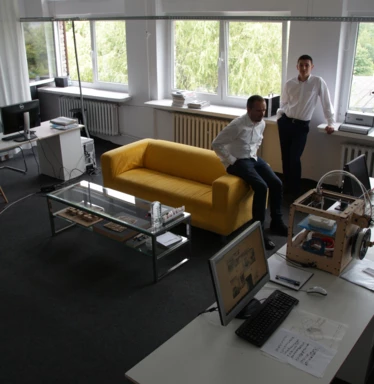
Hornik Chmura Architektura
Hornik Chmura Architektura is an independent architectural studio founded in 2007 by Bartłomiej Hornik and Marek Chmura, both graduates of the Faculty of Architecture at the Silesian University of Technology in Gliwice. Bartłomiej Hornik received several distinctions for his diploma project, including awards from the Association of Polish Town Planners and PKN ICOMOS (Professor Jan Zachwatowicz Award), and gained professional experience in studios such as Grupa Elipsa, Rar2 Laboratory of Architecture (Jan Kubec), Ayesa Polska, and RS Architekci; he was also part of award-winning competition teams, including the concept design for the New Rotunda in Warsaw and work on the Copernicus Science Centre. Marek Chmura holds unlimited architectural design licenses, is a member of the Silesian Chamber of Architects, and gained professional experience in studios including Grupa Elipsa and Studio Visart. The studio combines strong conceptual thinking with experience in complex projects, focusing on spatial quality, functionality, and a responsible response to context.
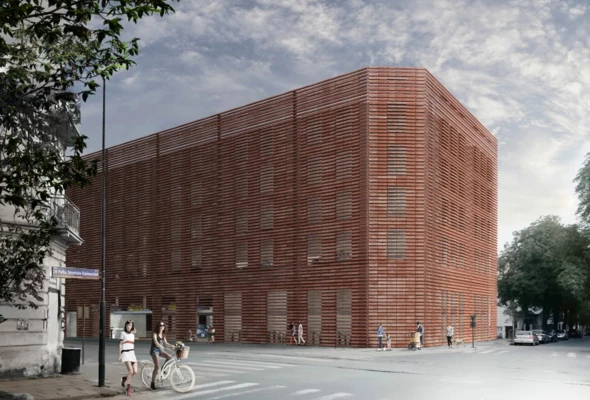
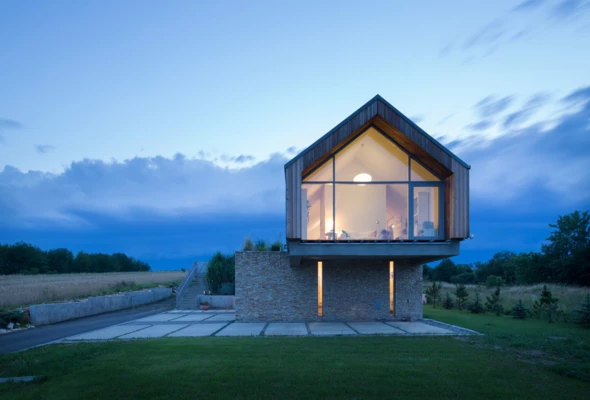
Selected projects
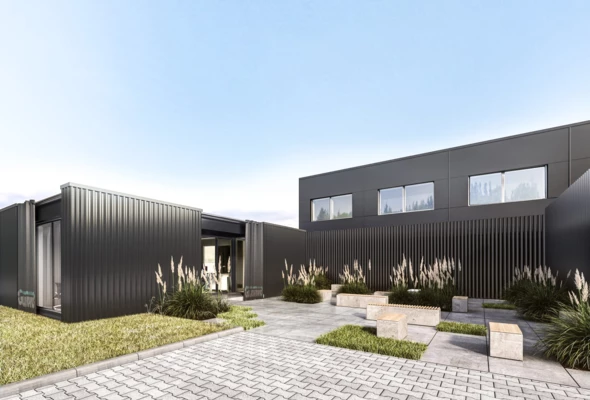

Collaboration on the Primary School Project in Bielszowice
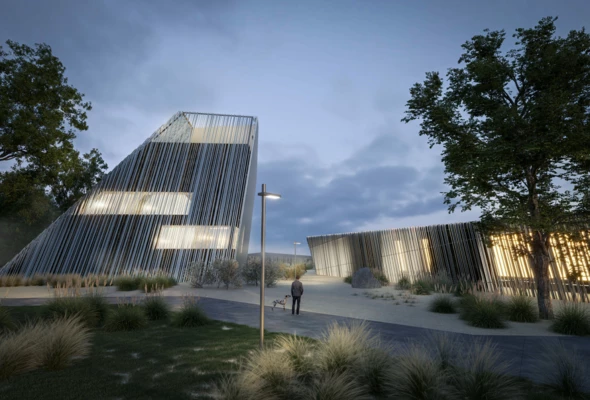
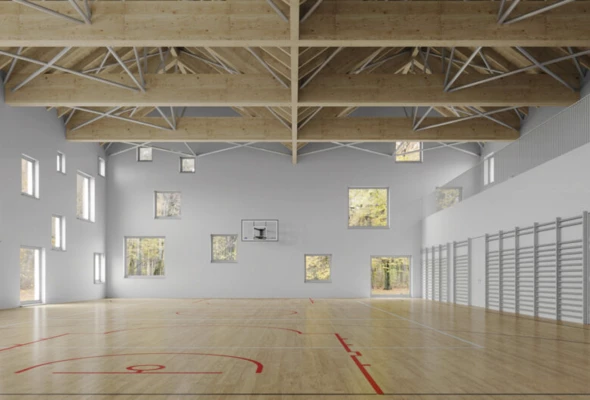
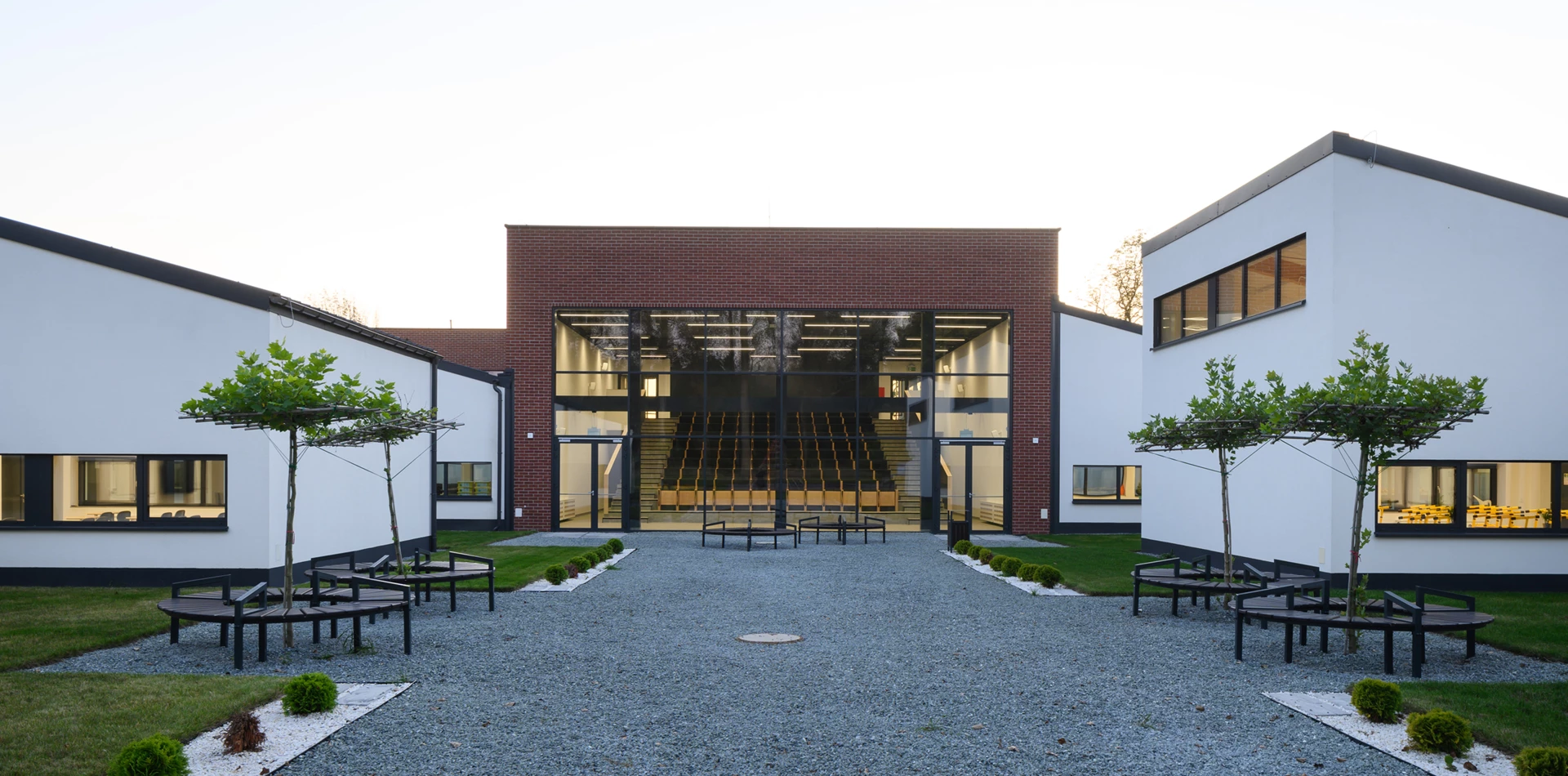
The Primary School No. 17 in Ruda Śląska project was developed in successive stages by both studios, Hornik Chmura Architektura prepared the concept design, while our studio was responsible for the building permit design and author’s supervision during construction. The key priority throughout the process was to secure a safe and continuous place of education for children, after the existing prefabricated school building from the communist era had suffered severe structural damage caused by mining-related ground movements and could no longer be used. The new school was built in the Bielszowice district on a site affected by intensive ground deformations and designed as a low-rise, modular ensemble of independent functional segments, where each classroom operates as a separately founded structural module, allowing flexible responses to potential ground movement. Courtyards and atria introduced between the segments serve circulation, recreational, and social functions, while integrated greenery supports natural daylight, ventilation, and a healthy learning environment for students.