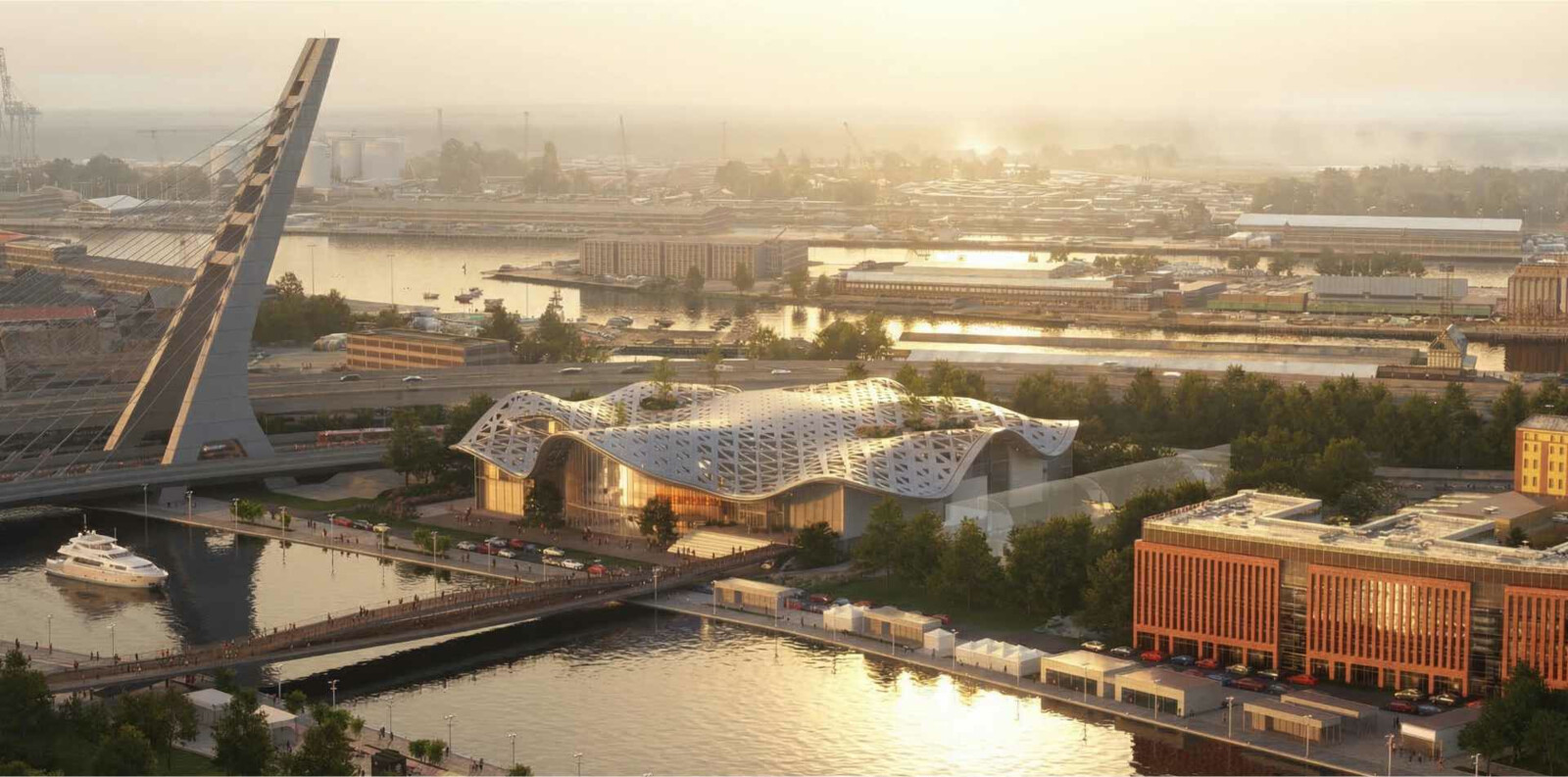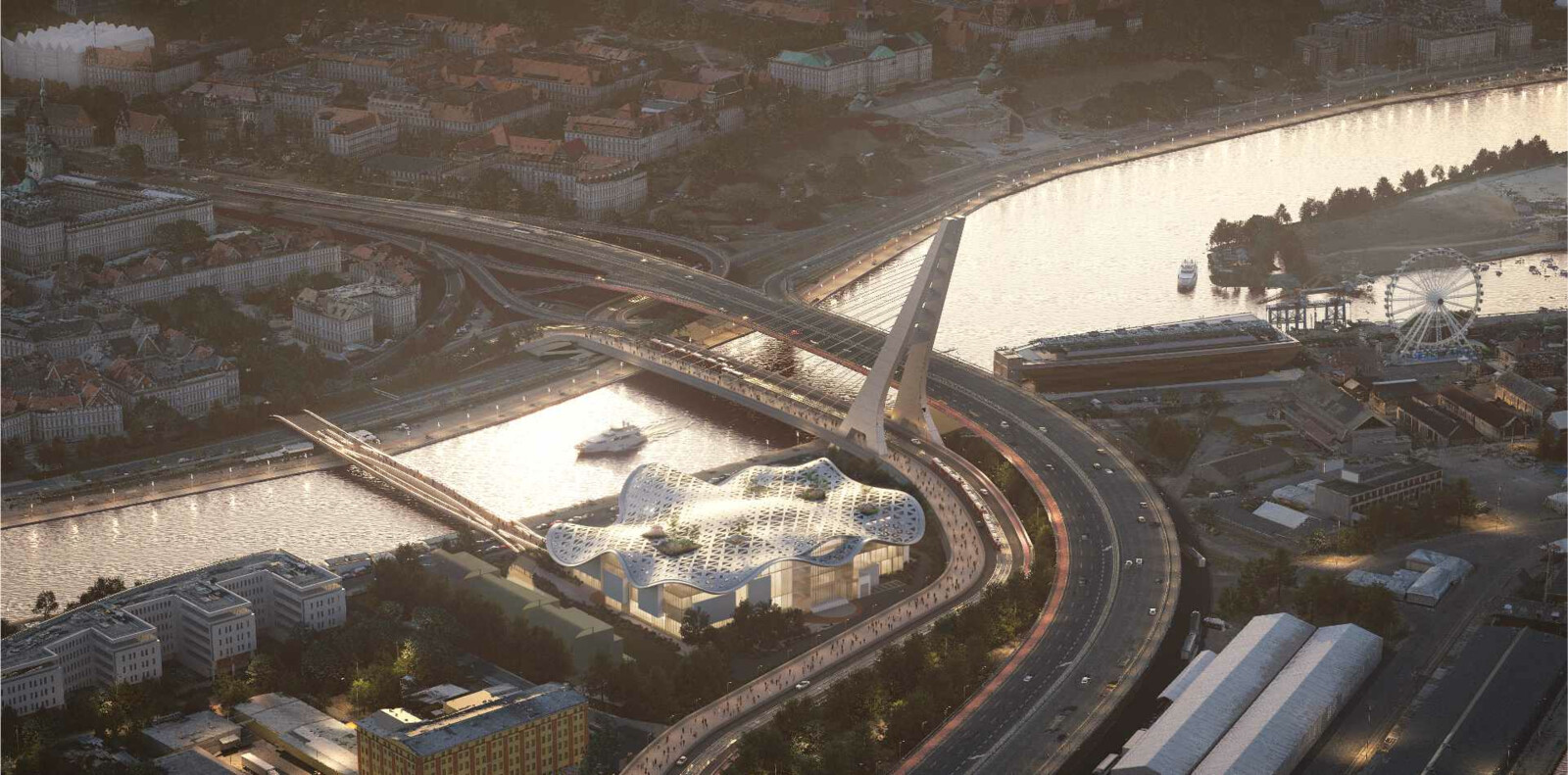
PER(ŁA_SZT)UKI is more than a theatre — it is a spectacular space where history meets modernity, and local identity takes on a global dimension. Inspired by the heritage of Szczecin as a port “gateway to the world,” once bringing treasures from overseas lands, the project transforms this idea into a dynamic cultural hub — open, accessible, and full of life.
The project was created in collaboration with Sung et Associés Architecture from Seoul, South Korea. Together, we cross boundaries and create designs that connect local context with a global vision.
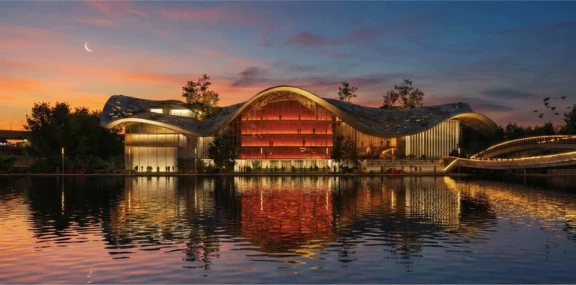
The Pearl of Art — the city’s shared stage
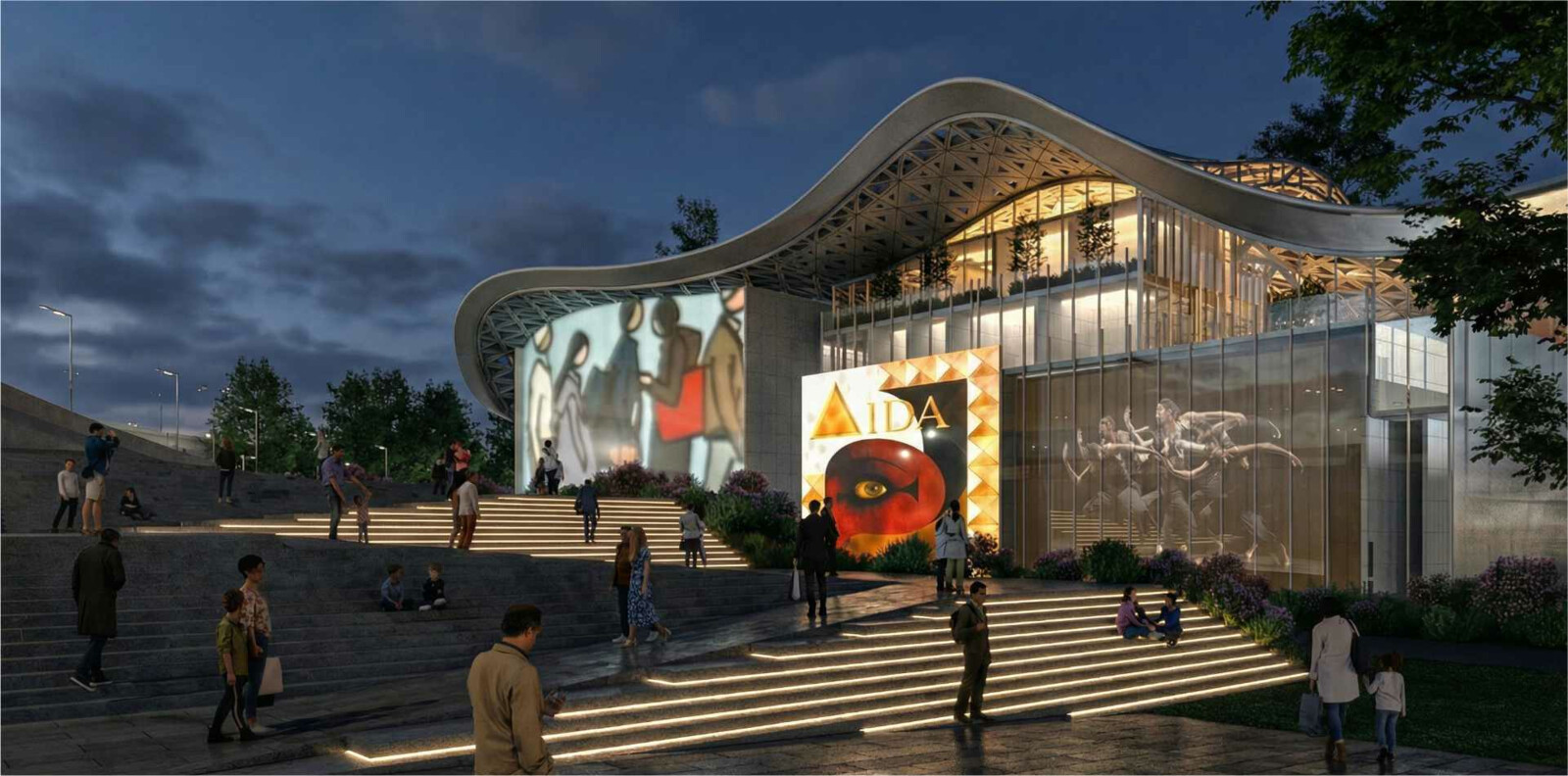
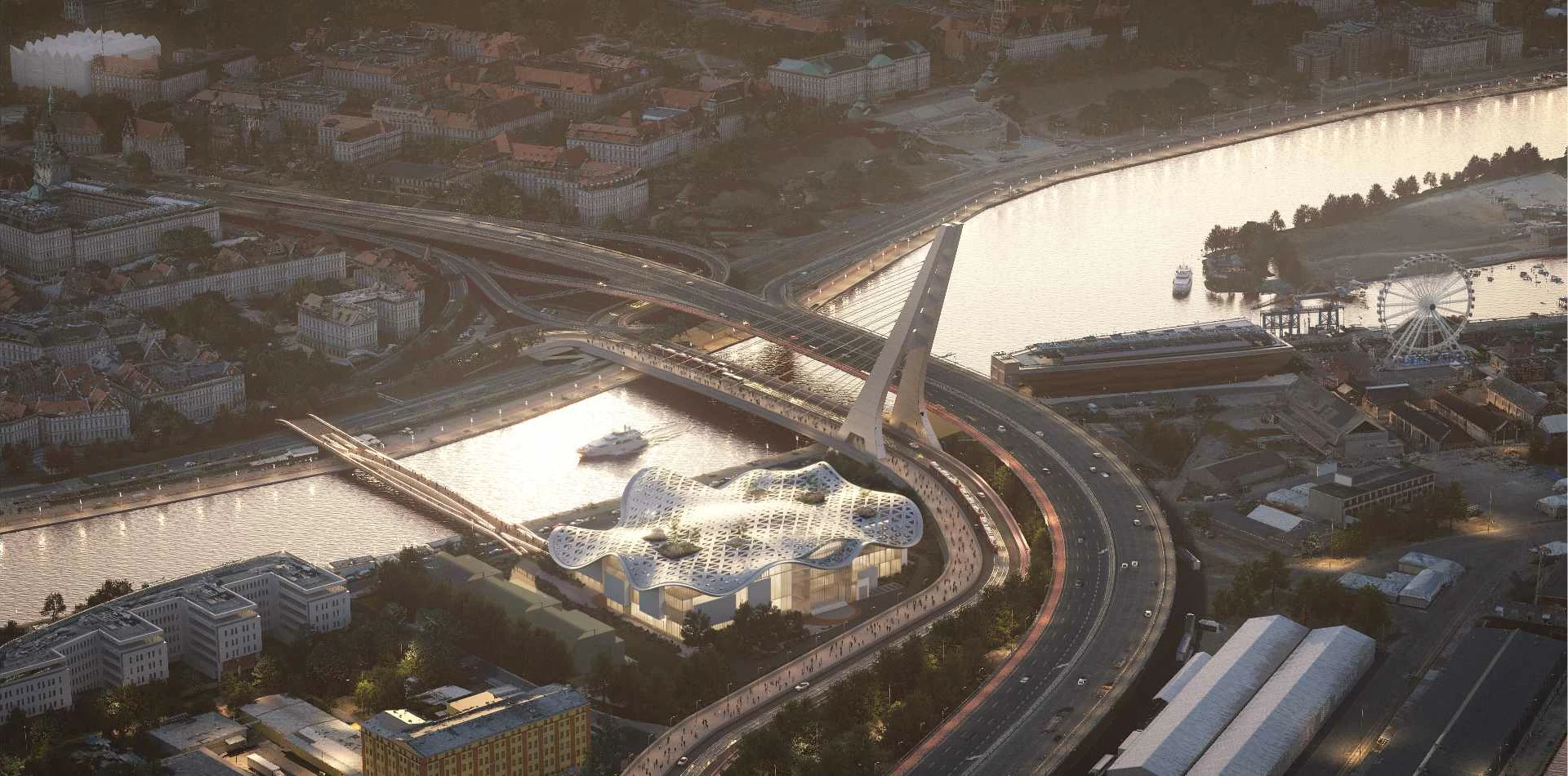
The theatre as a PEARL OF ART transcends the boundaries of the building, becoming an open, democratic space for the city. The square, terraces, and the Oder riverbank form a continuous stage, accessible to everyone — a place for meeting, observing, and shared participation.
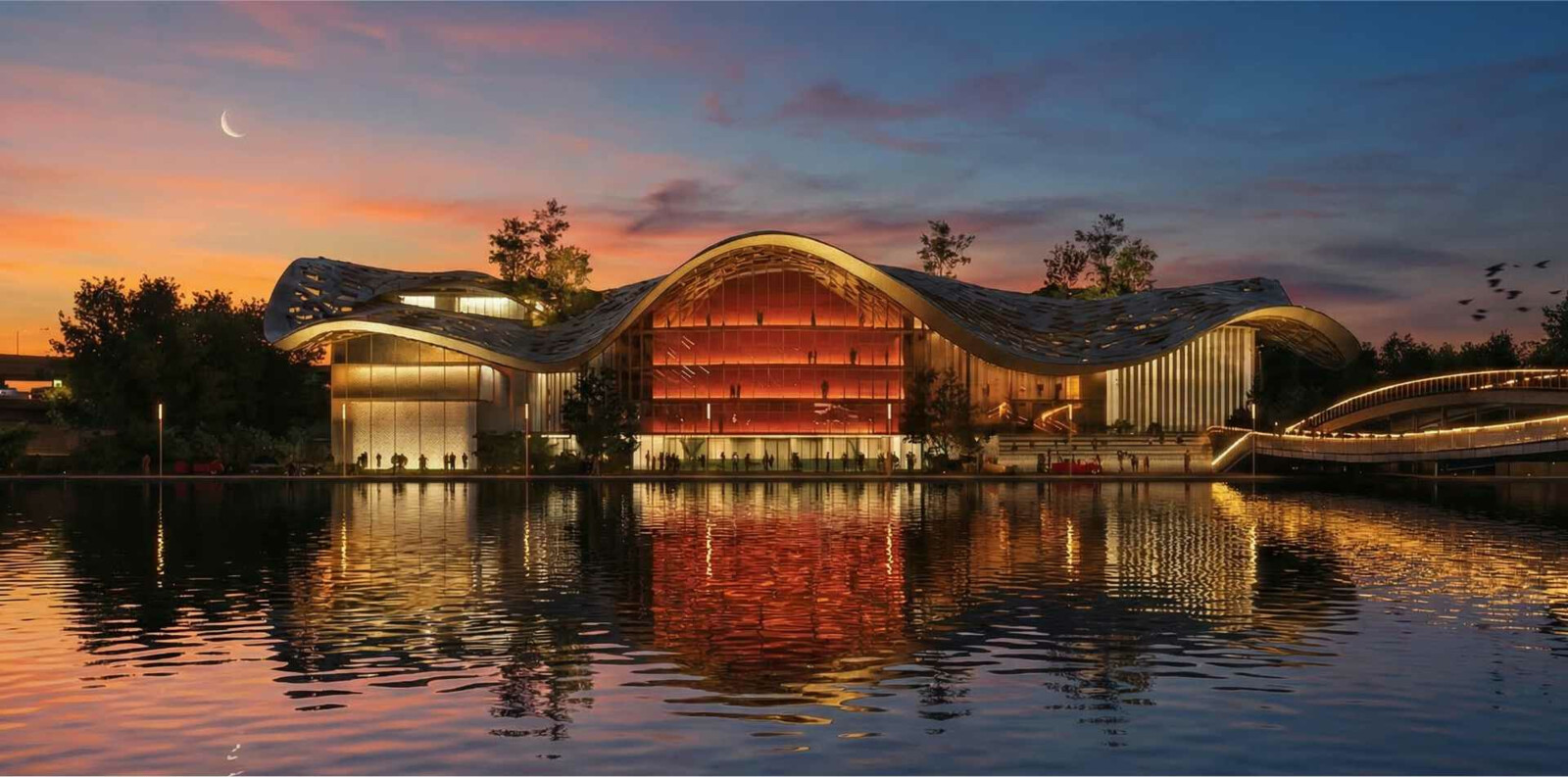
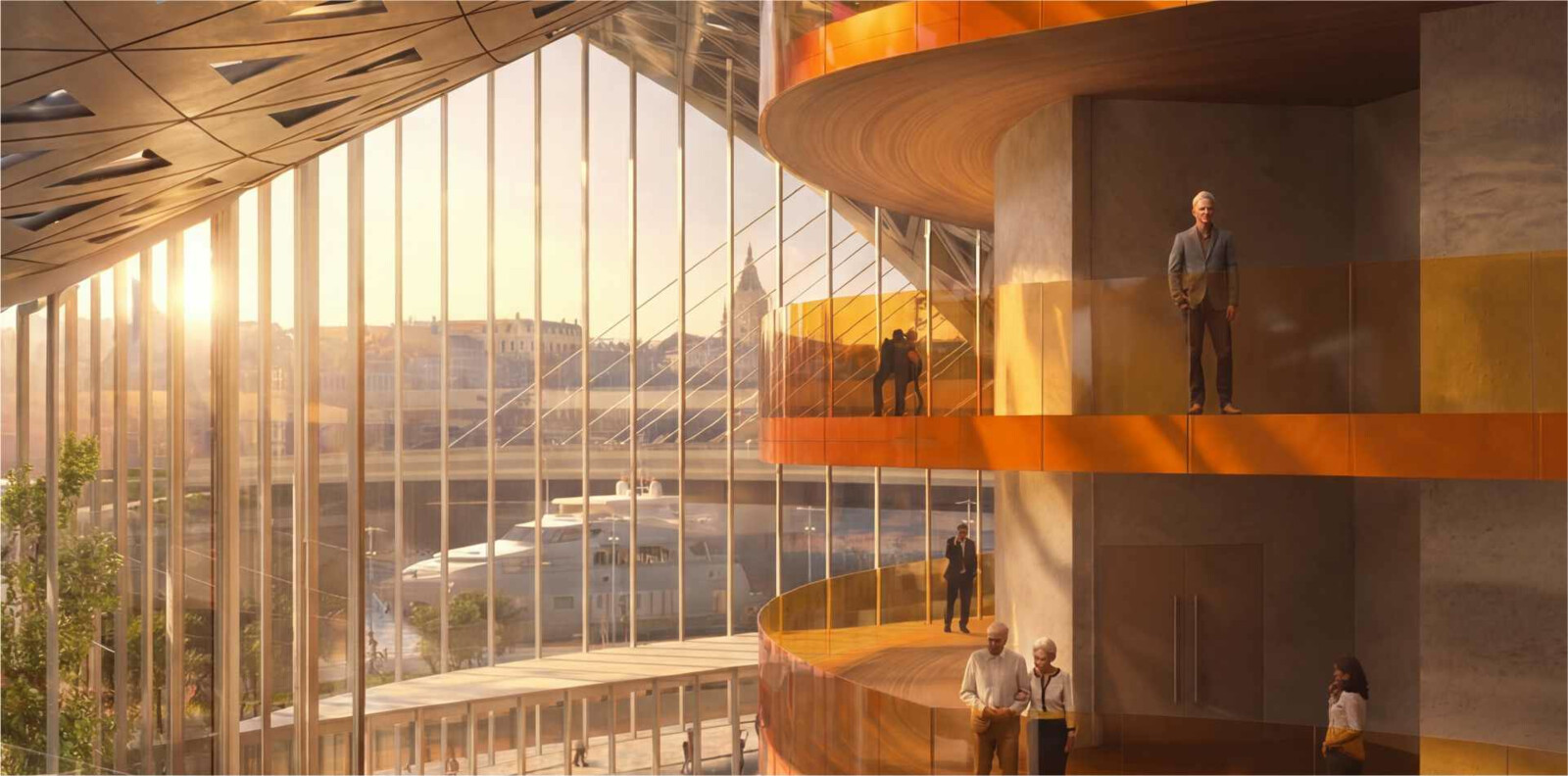
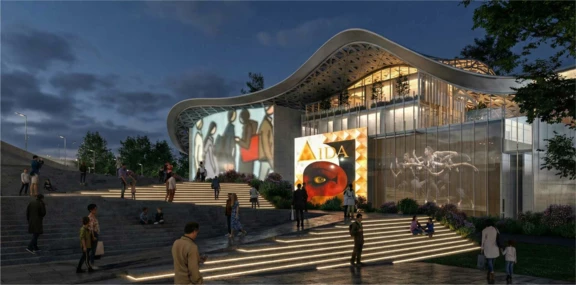
The layered structure of the architecture works like a pearl: it gathers and transforms light and meaning, returning them to the city in a new form. At night, the theatre becomes a lantern of Szczecin — present and pulsing with the rhythm of urban life.
It is architecture that organizes space, builds community, and strengthens the identity of the place.
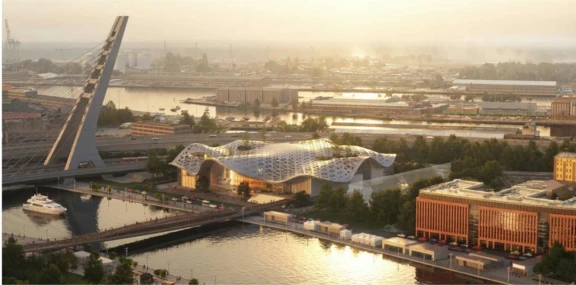
Relationship with the City
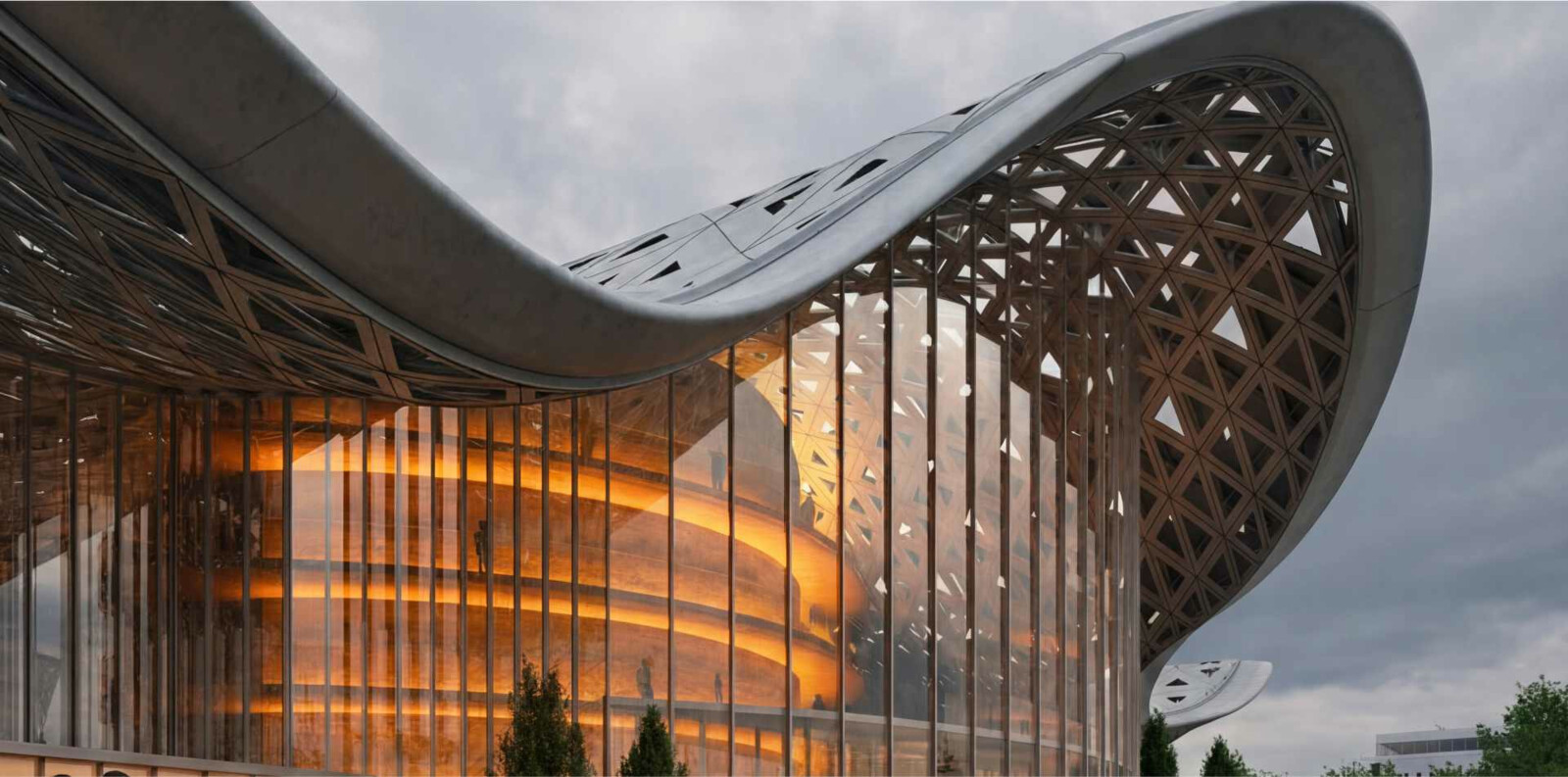
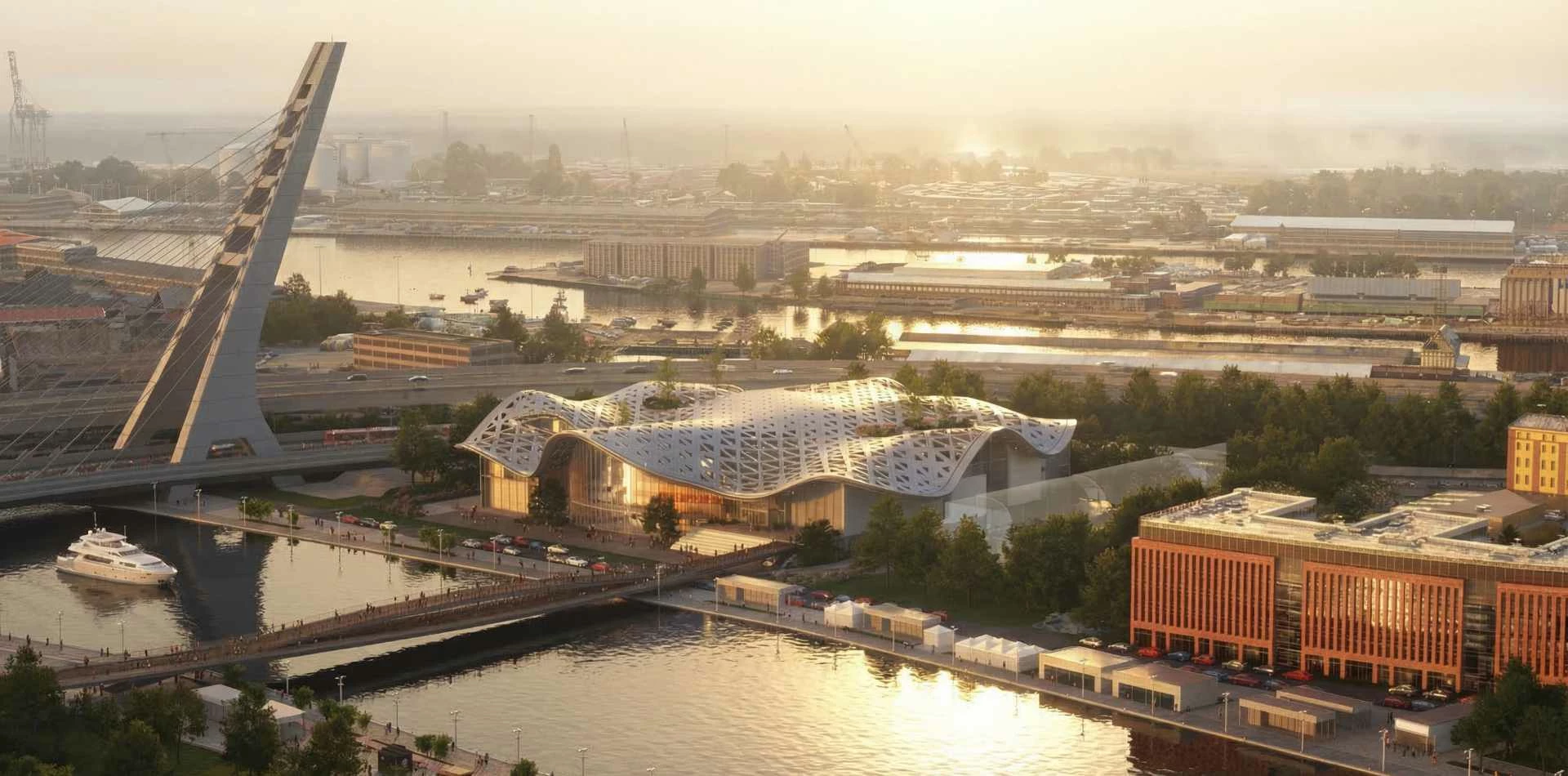
Łasztownia ceases to be an isolated island, becoming an integral part of Szczecin. Most Kłodny establishes a new relationship between the Old Town and the river. Viewed from the water, a pedestrian encounters an undulating roof whose geometry shimmers like the gleaming surface of the Oder River touched by light.
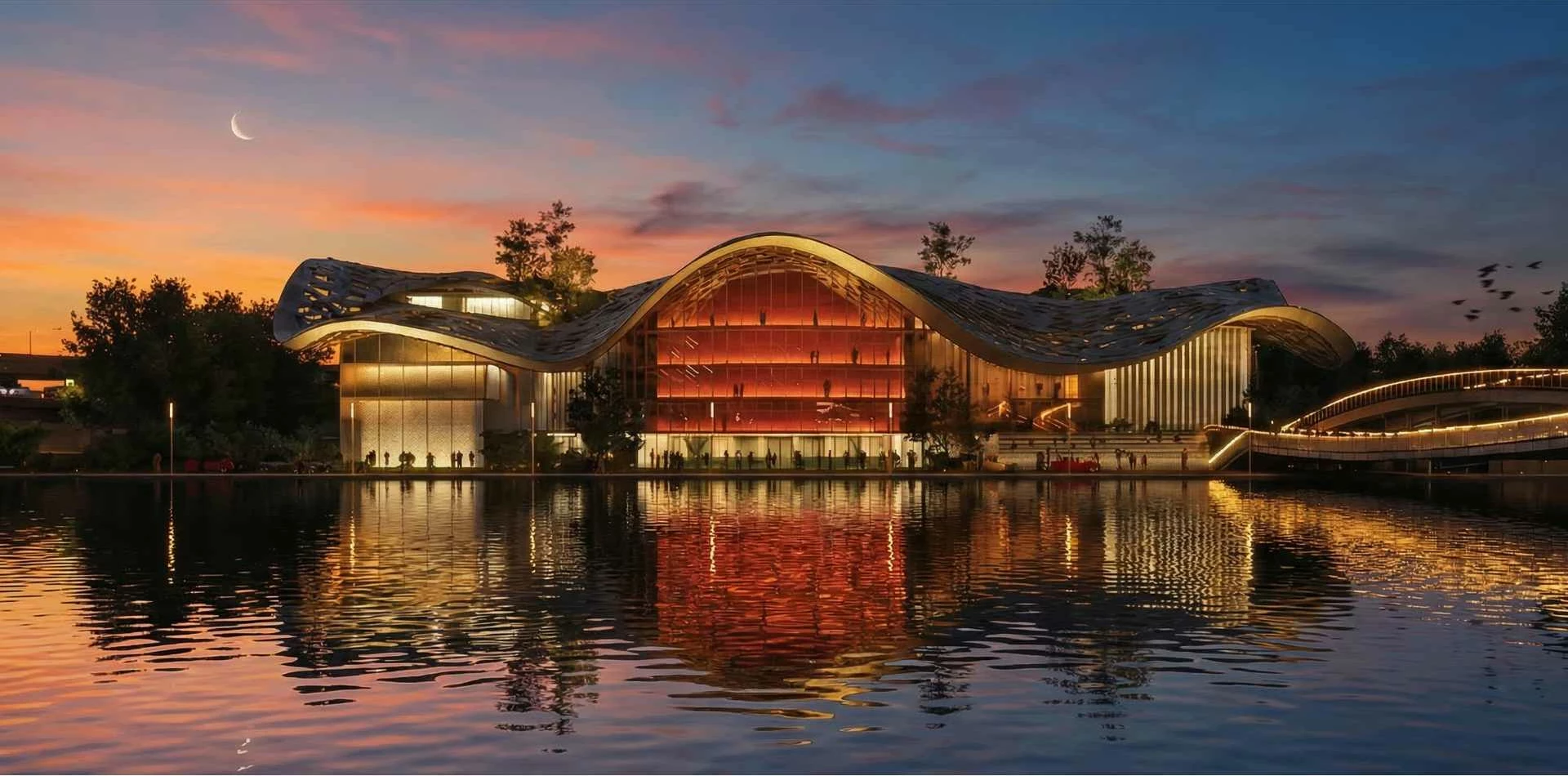
The Rhythm of Place and a New Form
The theatre design is based on the idea of accumulation — a space that gathers and transforms the energy of the place, light, and artistic activity. Referring to the history of Łasztownia as a site of storage, the building becomes a “pearl of art” — a layered structure in which memory, light, and culture are concentrated and revealed anew.
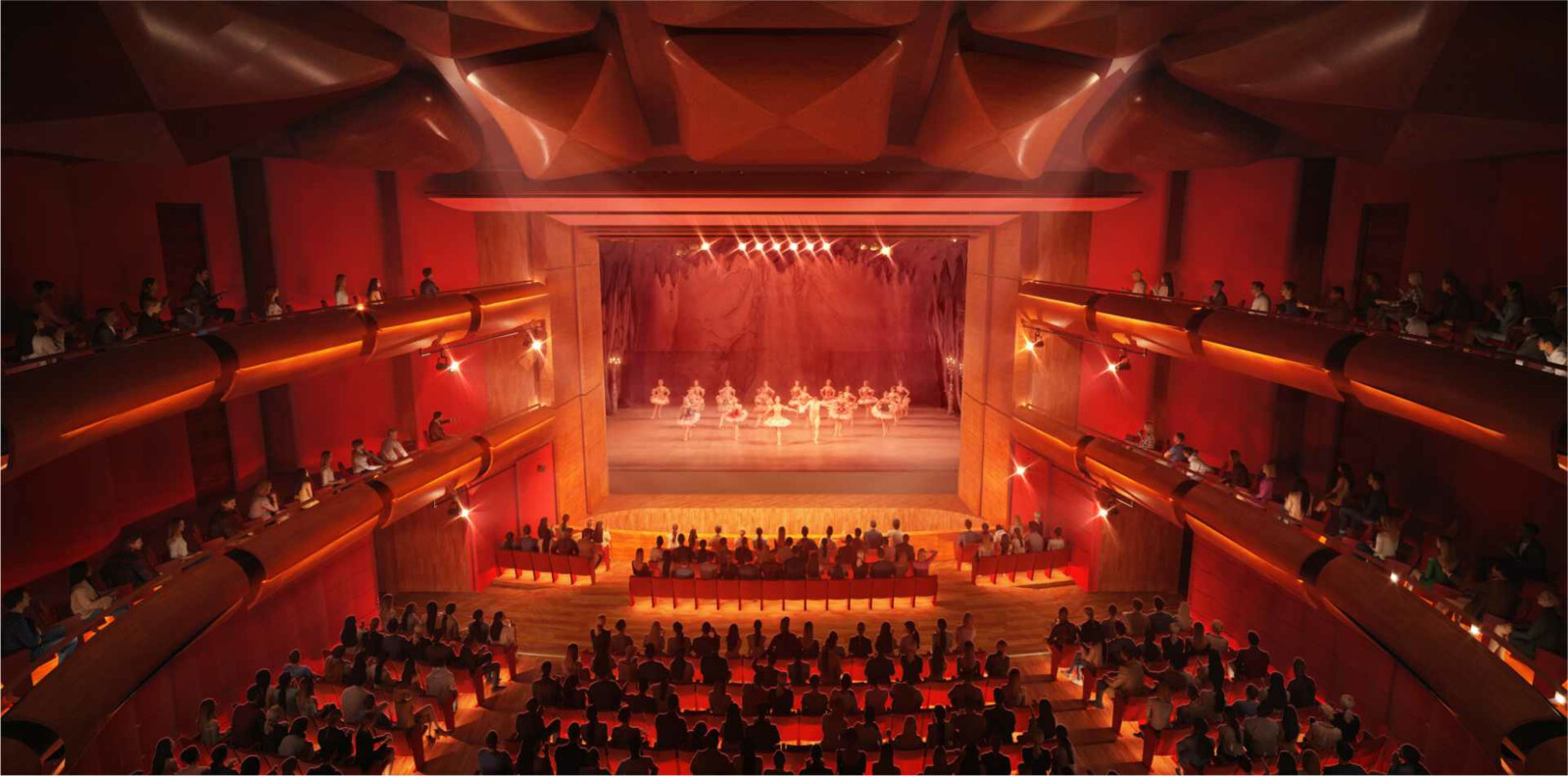
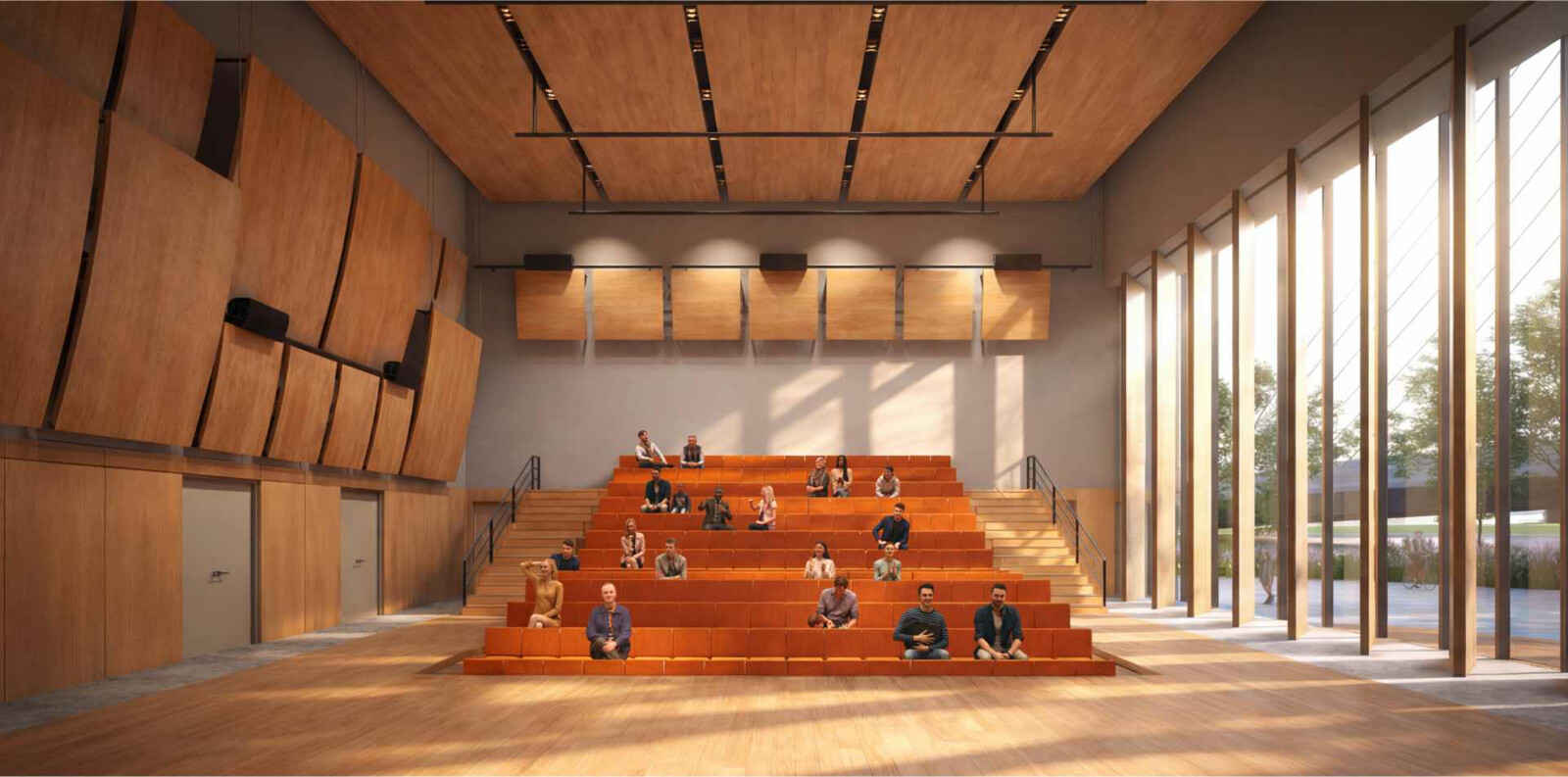
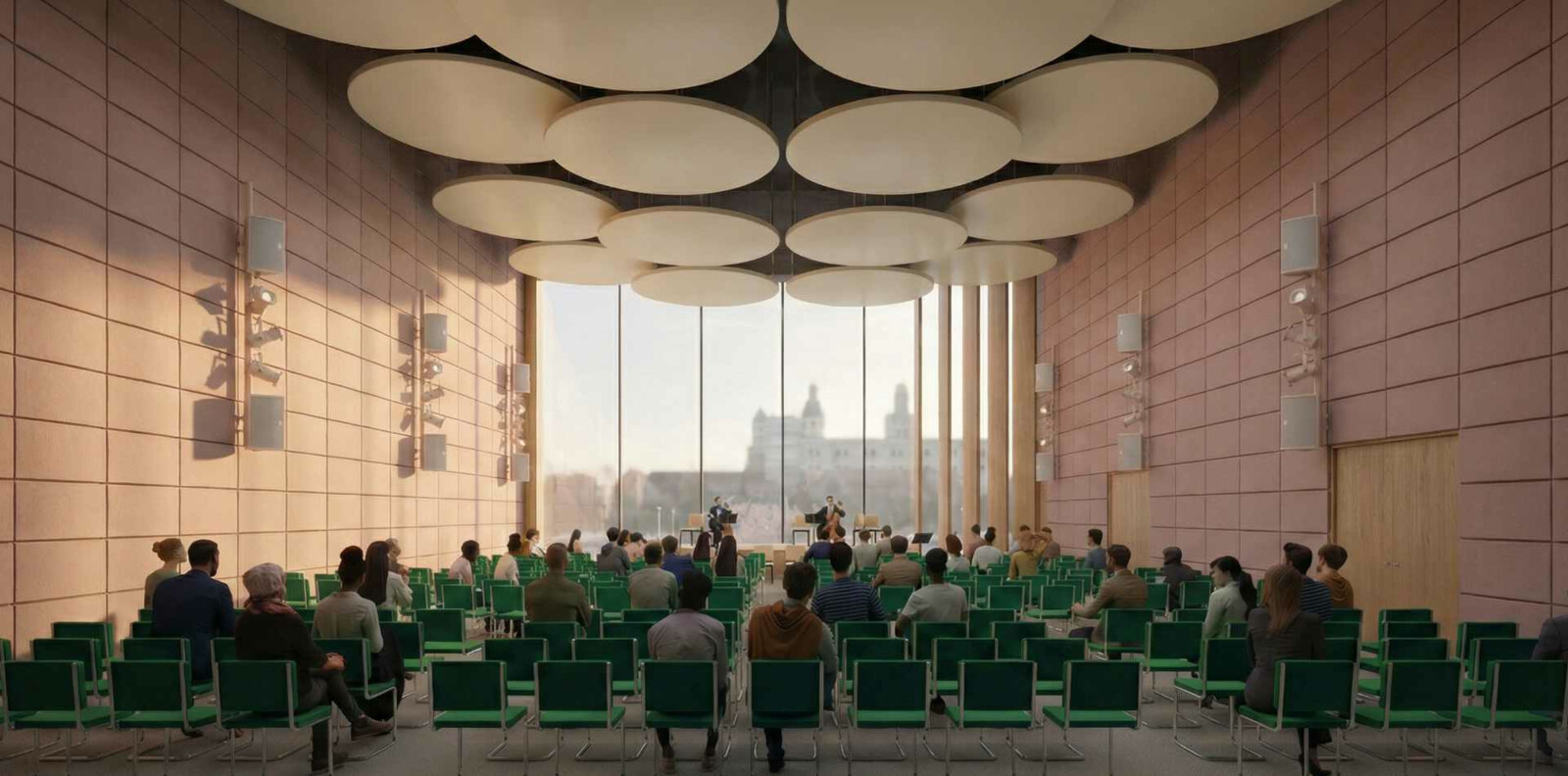
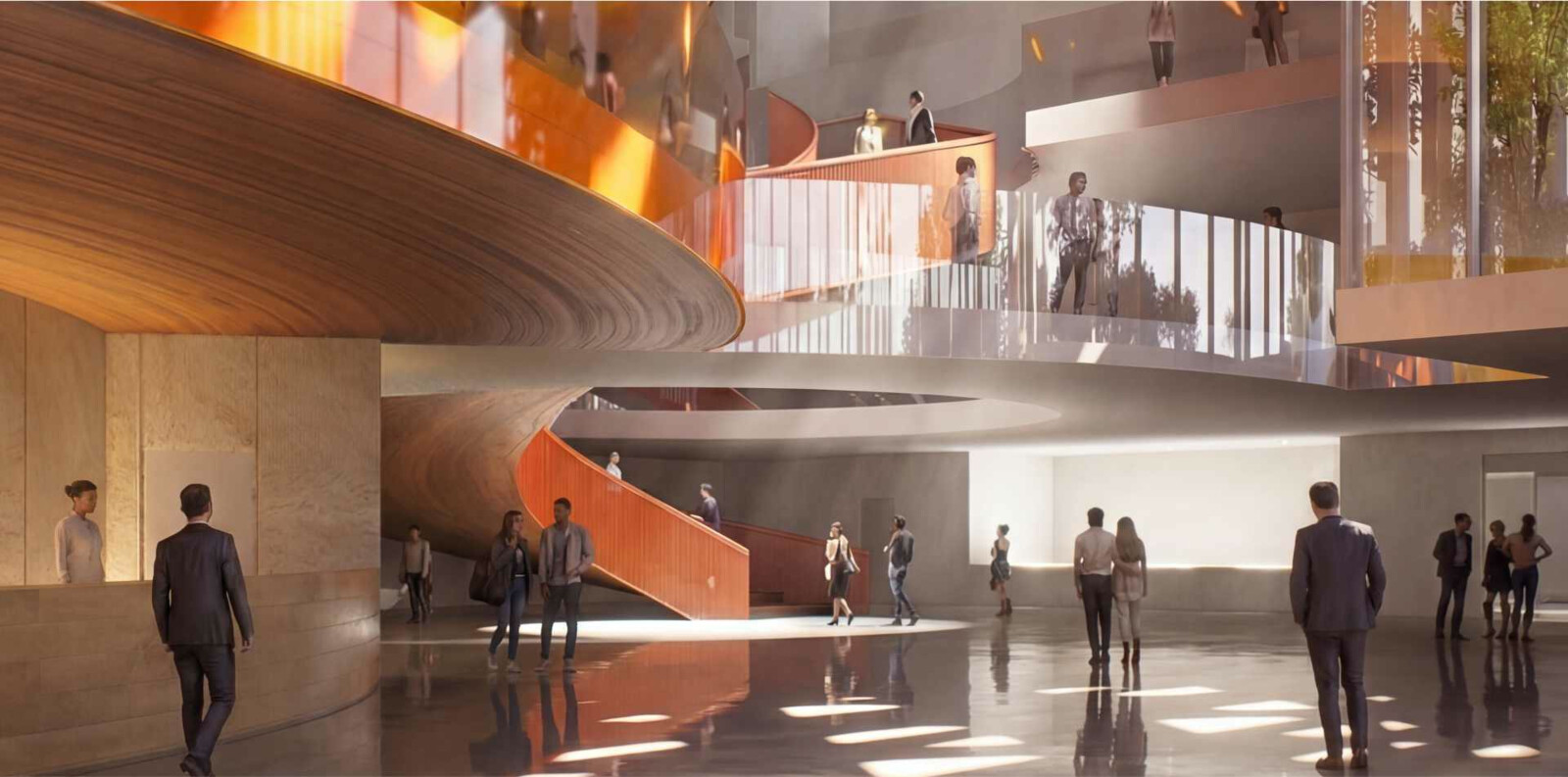
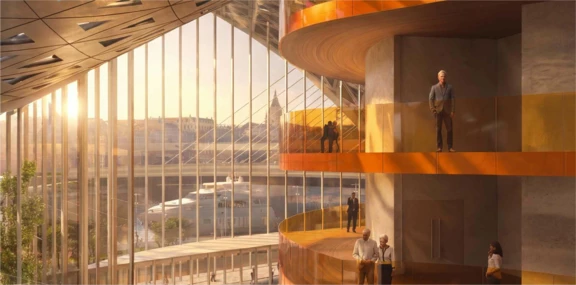
The complex incorporates a variety of functions: a main theatre hall, experimental stages, rehearsal and workshop spaces, technical facilities, as well as open foyers, terraces, and rooftop gardens accessible to residents. The spatial layout is conceived as continuous — guiding the user from the urban realm through public zones into more intimate and focused interiors.
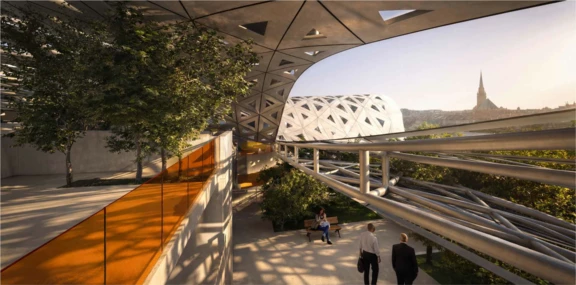
The organization is based on three states: concentration (theatre halls), adaptability (workshop spaces and flexible stages), and participation (foyers, the square, and publicly accessible rooftops). Different user groups — audiences, artists, and residents — share the building across varying levels of accessibility, allowing it to function throughout the entire day.
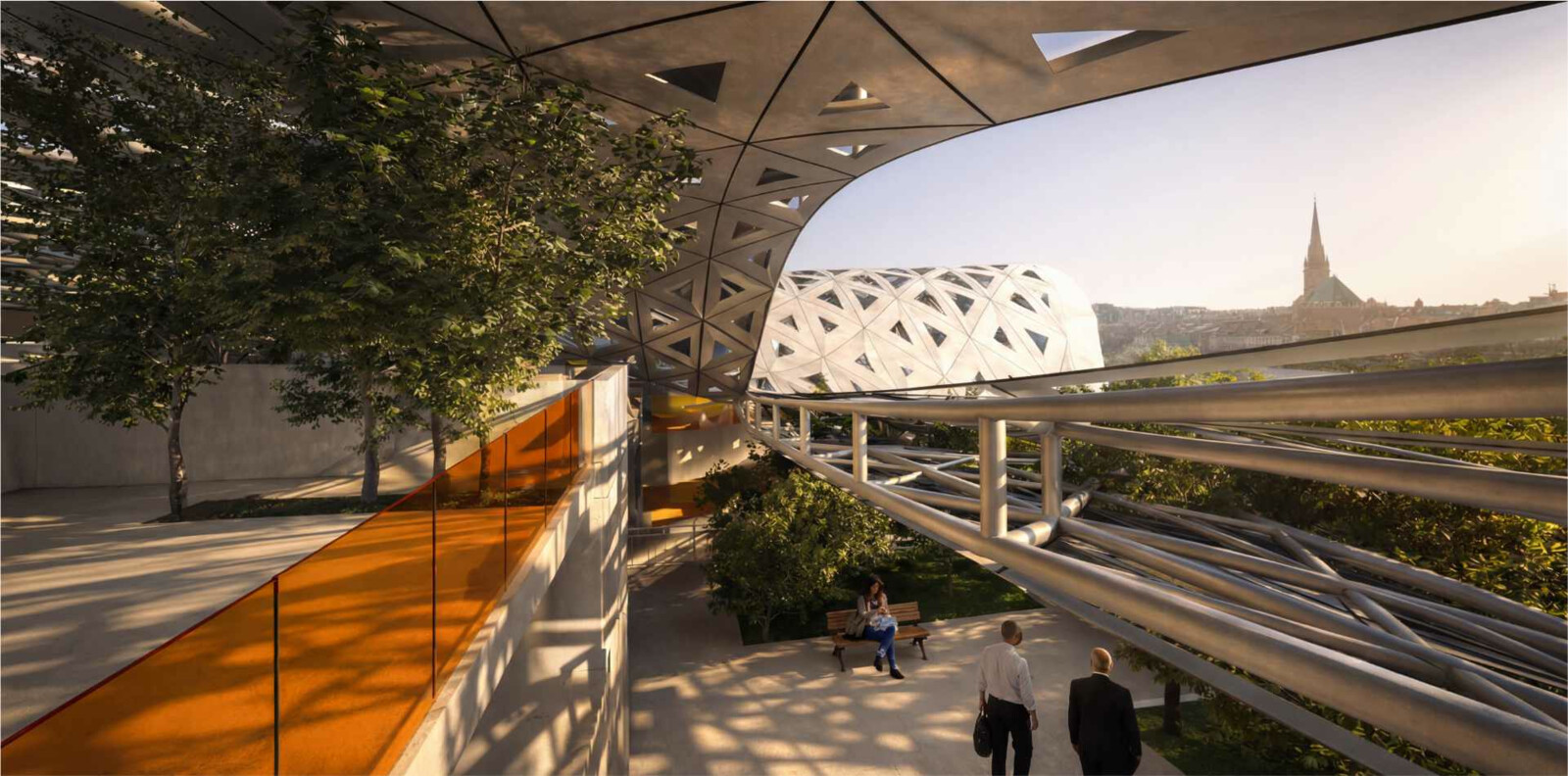
A key element is the roof, conceived as a structure that filters light while integrating technical and environmental functions. The building operates like an instrument — organizing space, regulating light, and aligning with the rhythm of the city, combining energy efficiency with architectural expression.
Advanced solutions
The project stands out for integrating advanced environmental solutions with architecture of a strong spatial expression. The roof functions as active infrastructure — through building-integrated photovoltaic (BIPV) technology, it generates energy while simultaneously filtering light and shaping the interior atmosphere.
Passive and energy-efficient systems are employed, including natural ventilation based on the stack effect in the atrium and controlled façade vents, as well as a reversible heat pump supported by geothermal energy, stabilizing the building’s thermal conditions. These are complemented by a closed water cycle — rainwater retention from the roof supplies vertical gardens, supporting the microclimate and reducing resource consumption.
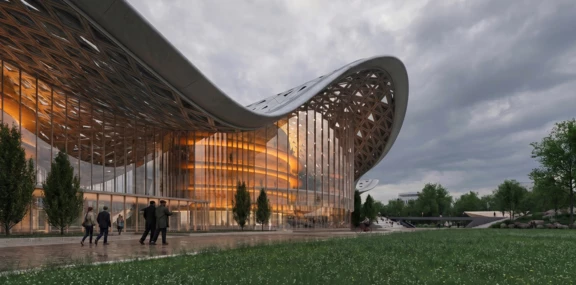
The double-layered roof combines structural, technical, and lighting functions, turning the building into an “instrument of light.” Spatially, the project is defined by continuity — the seamless flow between the city, interior spaces, and the roof enhances accessibility and quality of use, making the theatre a place for everyday life rather than only for events.